Norway supports education and research in low- and middle-income countries
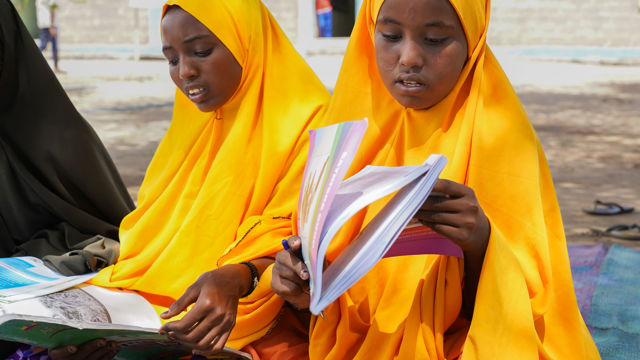
The goal of Norwegian development cooperation in the field of education and research is to ensure that all children get access to quality schooling and that higher education and research contribute to societal development. Norad therefore works with the entire educational trajectory – from basic education and technical and vocational training to higher education and research.
Why is Norway supporting education and research?
Education is a fundamental human right and a prerequisite for sustainable development and inclusive economic growth, because it enables individuals to participate actively in society and in the labour market. Research is essential for developing solutions to societal challenges and for enabling countries to drive their own development.
What does Norwegian aid to education and research involve?
The objective of aid in the field of education and research is to ensure that all children receive quality education and that higher education and research contribute to societal development. All areas of engagement place strong emphasis on gender equality and inclusion, as girls and women, as well as persons with disabilities, often are underrepresented in education and research.
Norwegian aid to education seeks to secure basic skills for all by strengthening low- and middle-income countries’ own education systems. This includes developing qualified teachers and supporting relevant curricula that equip children and youth for the future. Norway also has a particular focus on comprehensive sexuality education. In situations of crisis and conflict, Norwegian support helps safeguard children’s right to education.
By supporting improved technical and vocational education and training, Norway assist young people in acquiring the skills they need to enter jobs that are essential for a sustainable and productive economy.
In higher education, the main initiative is Norway’s flagship Programme for Capacity Development in Higher Education and Research for Development (NORHED). NORHED seeks to enhance the quality of higher education and research in low- and income countries through partnerships with Norwegian institutions. The efforts include, among other things, strengthening the competence of academic staff and improving study programmes and quality assurance systems.
Lastly, Norwegian support in the research field contributes to strengthening the research ecosystem in sub-Saharan Africa. This includes support to management systems, strategies, calls for proposals, academic publishing, academic freedom and Early Career Resarchers.
Who does Norad collaborate with?
Norad’s agreements in the field of education are organised in two portfolios. The Education Portfolio includes multilateral organisations such as UNESCO, UNICEF, the Global Partnership for Education and Education Cannot Wait, as well as civil society organisations such as Save the Children and Right to Play. L
The portfolio for Higher Education and Research primarily comprises universities, university colleges, research councils and research institutes, as well as civil society organisations such as SAIH and AJOL.
You can read more about how Norad works with portfolio management in the thematic portfolio descriptions.
Geographically, support is directed mainly to partners and programmes in sub-Saharan Africa, but also includes other low-income countries. The higher education programme has a particular focus on countries such as Uganda, Tanzania, Ethiopia, Malawi, South Sudan, Mozambique and Ghana.