Ukraine: Working to secure justice for 114,000 missing persons
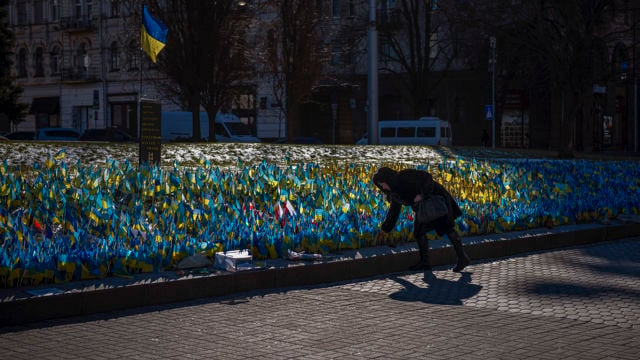
A woman places a Ukrainian flag at a memorial to people killed in the war in Independence Square, Kyiv.
No war in Europe since the Second World War has left as many people missing as the war in Ukraine. Some 114,000 Ukrainians, civilians and military personnel, children and adults, have been reported missing. Their loved ones are searching for answers.
The International Commission on Missing Persons (ICMP) helps search for missing persons and identify those who have died. The aim is to give families answers and gather evidence to bring those responsible to justice.
– Families have a right to know what happened to their relatives. We work to find missing persons, identify them and support their families. We also preserve vital evidence for future trials. Russia must be held accountable, says Nihad Brankovic, Deputy Head of ICMP in Ukraine.
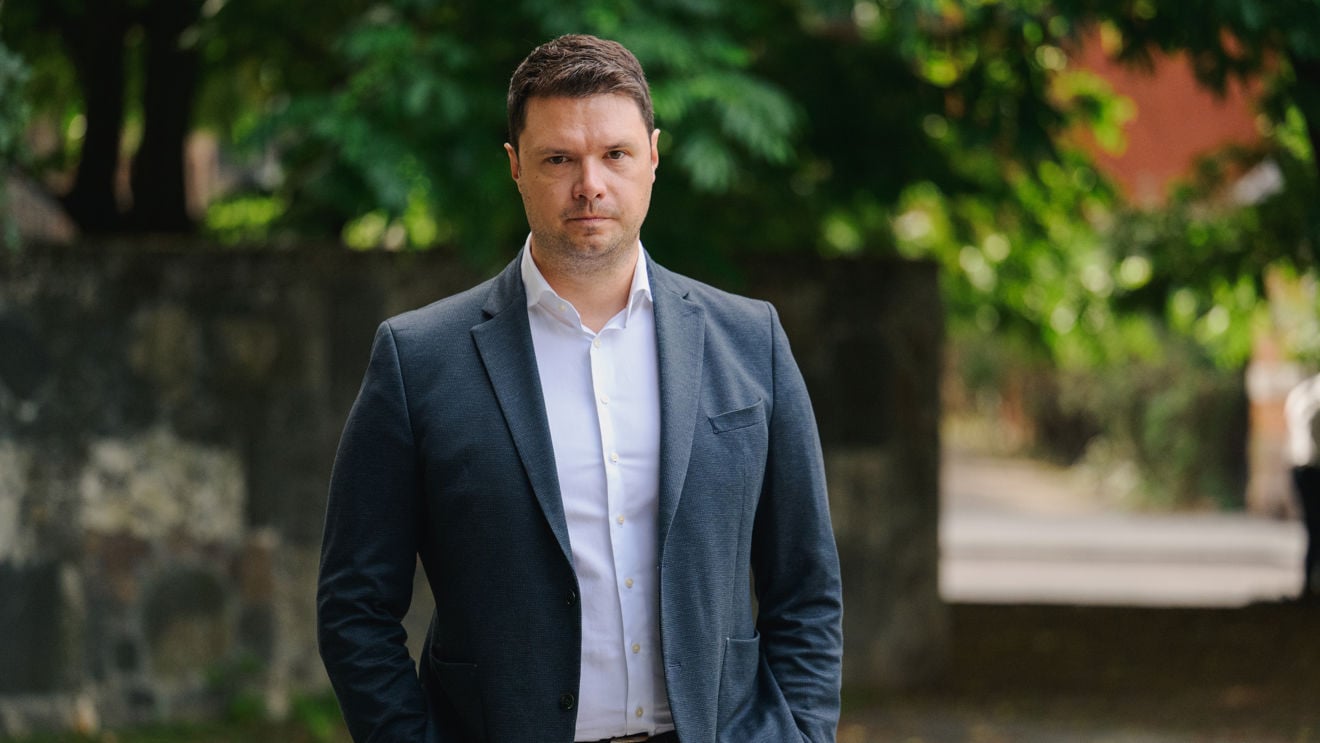
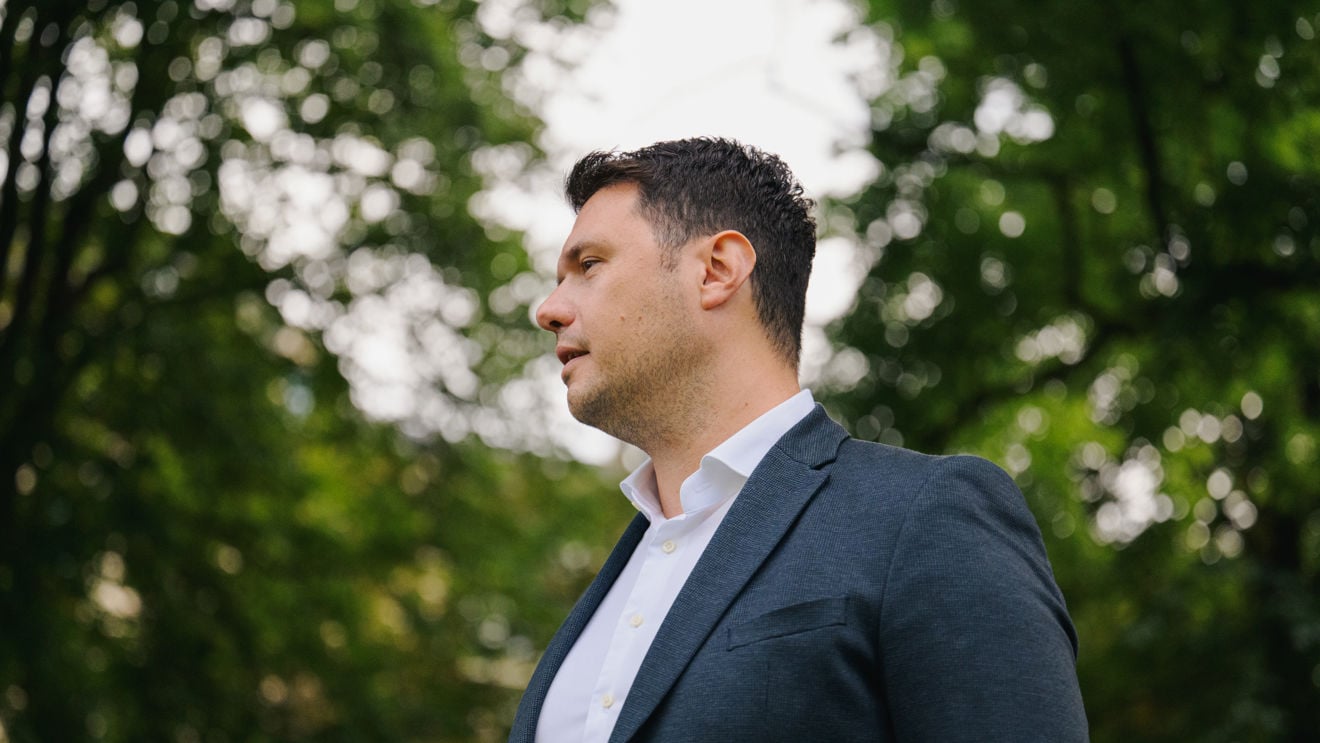
Nihad Brankovic, Deputy Head of ICMP, recently visited Norad.
Brankovic explains that the missing persons do not belong to a specific group.
– The missing include soldiers who have been reported missing, soldiers who have been killed but whose remains have not been recovered, and civilians who have been forcibly taken away. They include Ukrainians held captive by Russian forces and Ukrainian children forcibly deported by Russia. There may also be victims buried in mass graves, Nihad continues.
ICMP assists the Ukrainian authorities in several ways in the complex work of finding missing persons. This includes developing technical capabilities, using DNA-testing technology, and building knowledge and capacity within Ukrainian law enforcement agencies.
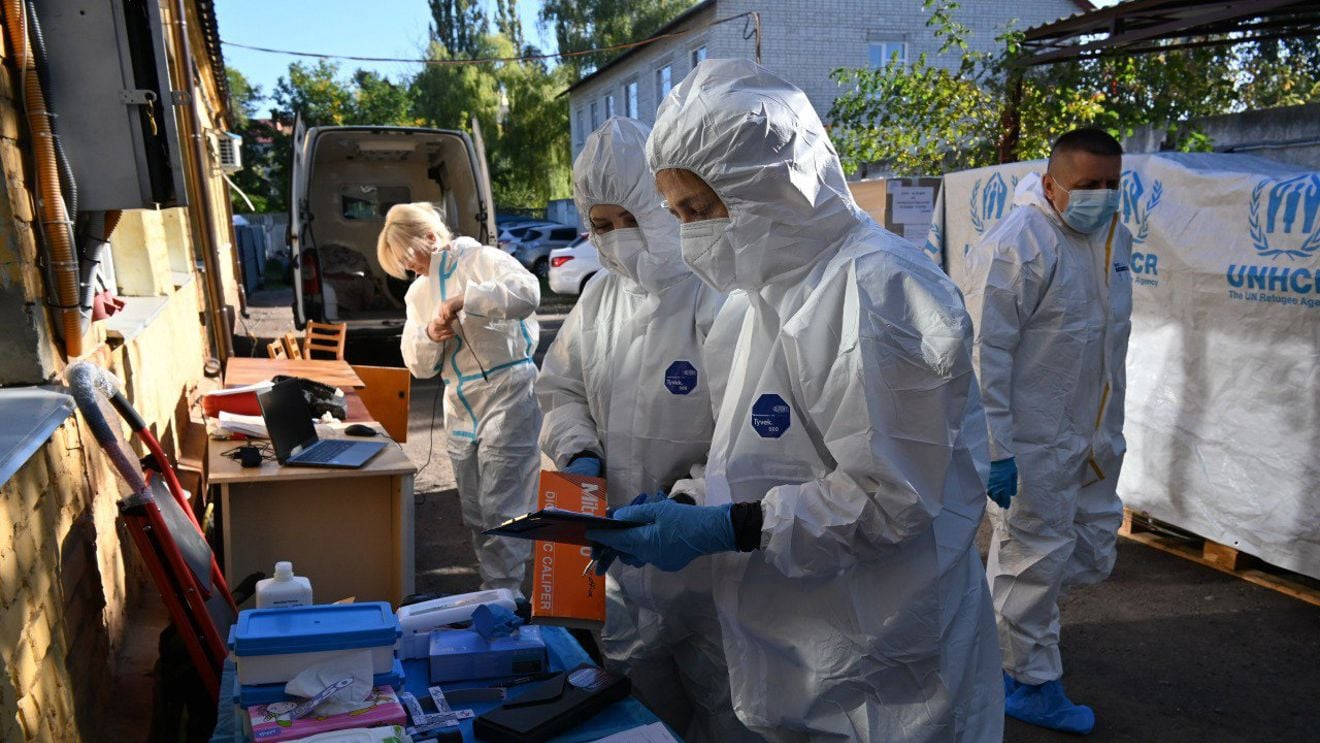
People wearing white protective suits and face masks work at a table with equipment outdoors. One of them is looking at a tablet.
Through the Nansen Support Programme for Ukraine, Norway supports Ukraine’s efforts to find and identify missing persons.
– We can all imagine how difficult it must be not to know what has happened to your child, parent or spouse. Everyone deserves an answer, says Norad Director General Gunn Jorid Roset. She adds:
– It is also important that those responsible are held accountable. Preserving evidence for the future is therefore crucial. We must do what we can to help make fair trials possible.
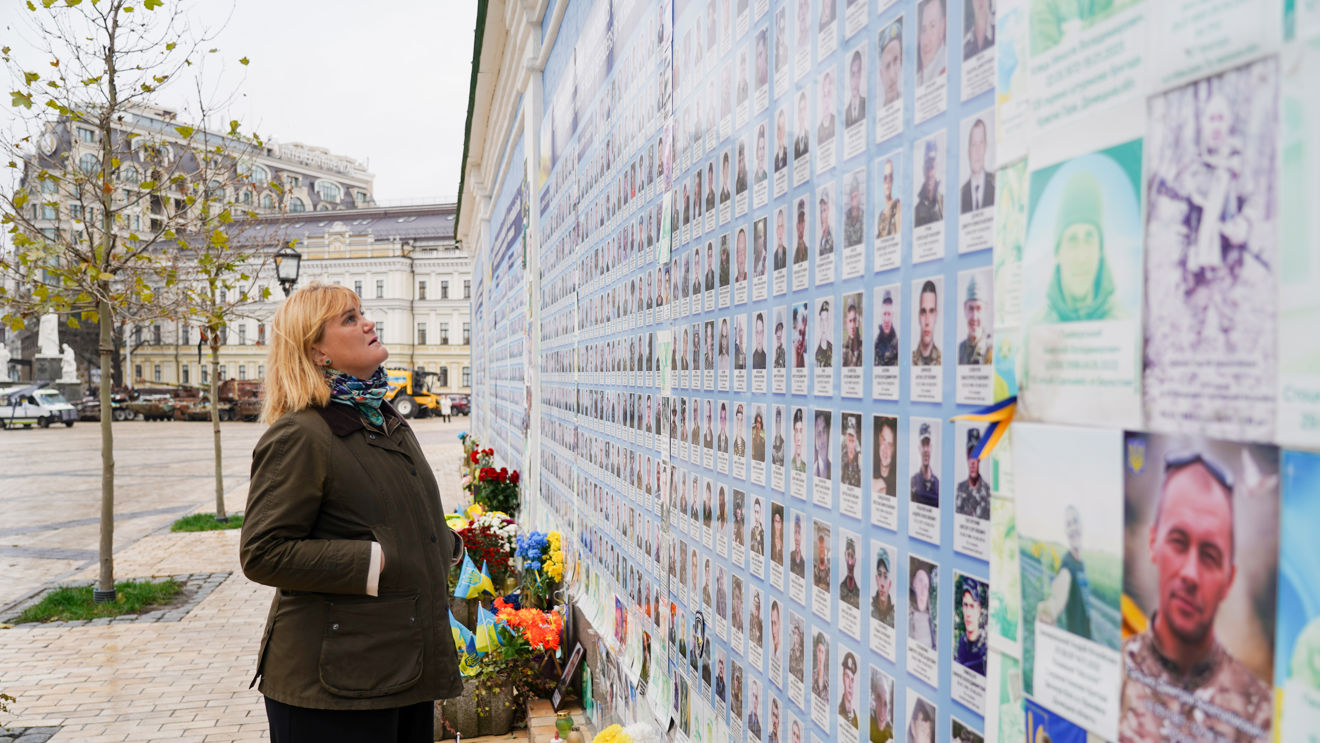
Norad Director General Gunn Jorid Roset visited a memorial wall honouring fallen Ukrainian soldiers during a visit to Kyiv in November 2025.
Close cooperation with families
Families of missing persons face an especially difficult situation. Some spend years without knowing what has happened to their loved ones. ICMP works closely with family associations and civil society organisations to ensure that families are heard, receive the information they need and can navigate complex legal and forensic processes.
– When someone is reported missing, we work closely with their family to gather as much information as possible. We ask them to describe identifying features, such as tattoos, and provide dental records. We also collect DNA samples and establish where the person was last seen, says Brankovic.
It is equally important that families receive ongoing support. ICMP therefore creates opportunities for families to meet and helps them establish their own local networks and organisations.
– Seeing how these families fight for their loved ones makes a deep impression. They are in a desperate situation, yet they continue to press authorities in Ukraine and elsewhere for answers. To me, they are true heroes, says Brankovic.
Serious violations of human rights
Human remains, causes of death and the locations where bodies are found are all documented in ways that ensures the information can be used as legally valid evidence in international courts to hold perpetrators accountable. Ukrainian authorities treat these cases as criminal investigations and point to numerous serious violations of human rights and international law.
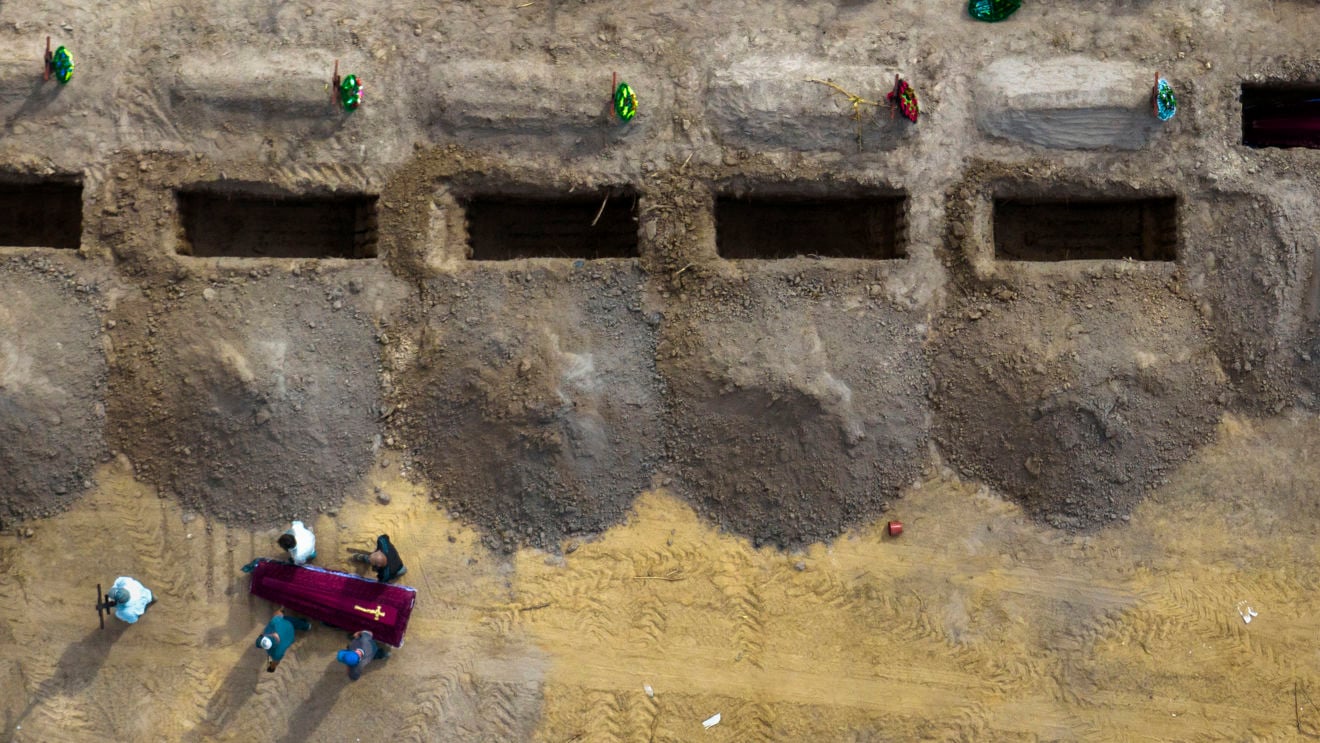
Funeral workers carry the coffin of an unidentified civilian during a burial in Bucha, near Kyiv, Ukraine, on 2 September 2022. The person died in the Bucha area during the Russian occupation in February and March 2022.
– An important task is identifying soldiers who have died, whether their bodies have been returned from Russia or found on the battlefield. We carry out thorough forensic examinations and preserve all the documentation we can for future trials. There are strong indications that many prisoners of war have been subjected to torture. These are grave violations of international humanitarian law, says Brankovic.
Soldiers and civilians are missing
Russia’s warfare is brutal, and Brankovic describes the fighting as chaotic.
– Many soldiers and civilians are left in active combat zones or buried beneath the ruins of bombed buildings, where it is impossible to recover them immediately, he says. He also describes mass graves:
– In areas previously occupied by Russian forces, a number of unmarked mass graves containing unidentified victims have been uncovered. Identifying them is an enormous and important task.
DNA testing is vital to this work, and ICMP works closely with the Ukrainian authorities. ICMP also assists Ukraine by sending DNA samples to its specialised laboratory in The Hague for testing.
ICMP takes a comprehensive approach to identification, combining DNA analysis with other internationally recognised scientific methods to make identifications faster and more accurate.
Proper handling of mass graves and crime scenes is essential to preserving evidence and DNA. ICMP therefore trains Ukrainian forensic specialists, police officers and anthropologists in modern methods for the safe excavation of mass graves and the handling of crime scenes.
Norwegian support for work on missing persons in Ukraine
Norway supports several partners working to find and identify missing persons in Ukraine.
From 2024 to 2026, Norway has contributed NOK 100 million to ICMP’s project “Support for Ukraine to Build a Sustainable Process for Accounting for the Missing Persons”.
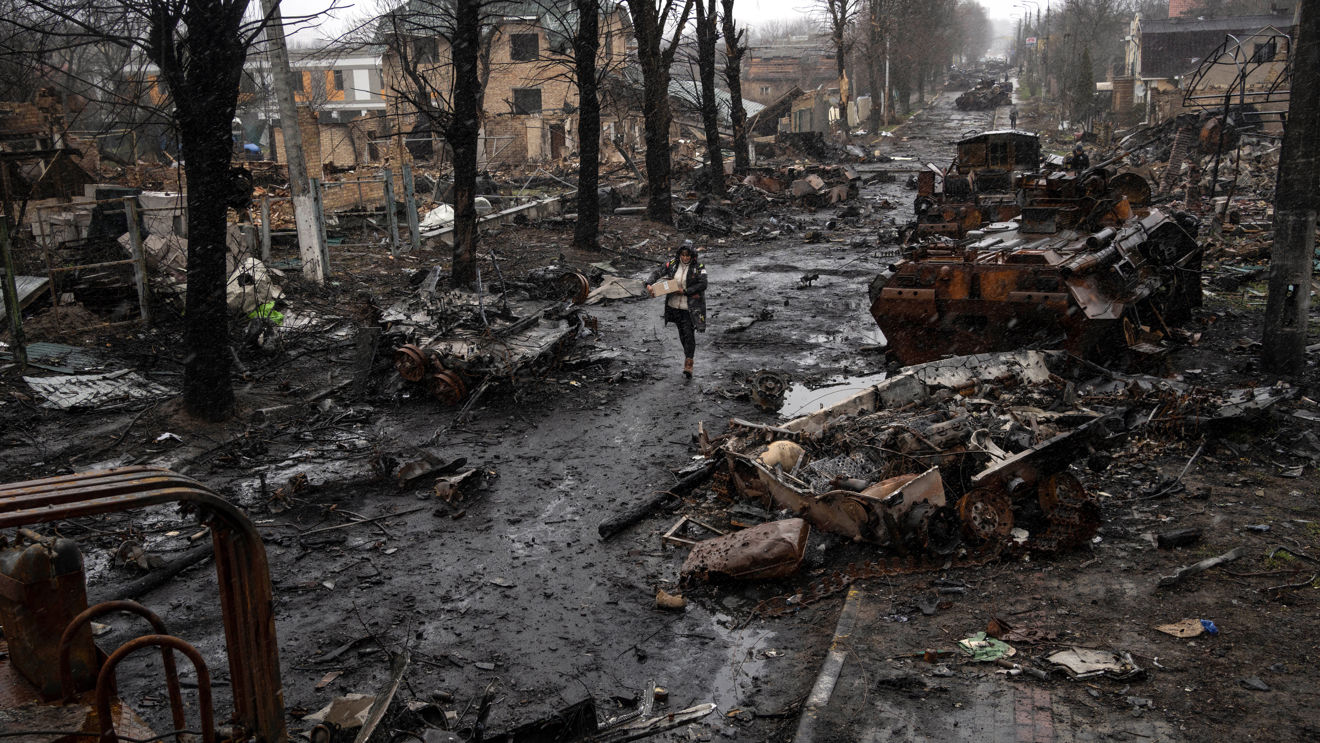
A woman walks through a street strewn with wreckage and destroyed Russian military vehicles in Bucha, outside Kyiv, Ukraine, on 3 April 2022.
With Norwegian support, ICMP has strengthened the capacity of Ukrainian institutions by helping establish standards, cooperation agreements and digital systems for managing missing-person cases and forensic identification. This has included a national assessment of 51 mortuary facilities. The capacity to identify human remains has also been significantly strengthened through expanded DNA-based identification.
ICMP has also helped civil society organisations take part in work on missing persons, particularly through its programme for family associations and women-led organisations. The programme includes training, public information activities, small grants and facilitating meetings between families, civil society and the authorities.
Norway also supports UNICEF’s work to trace, return and reintegrate abducted children, contributing around NOK 80 million to these efforts. UNICEF plays a central role in supporting the Ukrainian authorities in this area, with a particular focus on the best interests of the child and the protection of children.
SOS Children’s Villages and Save the Children in Ukraine receive support to strengthen child protection systems. This work also includes children returning to Ukraine, with the aim of ensuring a good and safe reintegration.
The multi-donor Partnership Fund for a Resilient Ukraine (PFRU) is another important partner. Since the full-scale invasion, PFRU has invested around NOK 50 million in strengthening Ukrainian authorities and civil society organisations. Its support covers helplines, regional services, legal and psychosocial assistance, investigations, and the identification of human remains and unlawfully abducted children. Its public information work has reached more than 50 million people.
The International Committee of the Red Cross has played a specific role in work relating to prisoners of war, missing persons and their families. Between 2023 and 2025, at least 17,400 families learned what had happened to their relatives. In 2025, 1,723 prisoners of war received individual assistance, while 4,037 persons with particular vulnerabilities received individual support in connection with detention. The organisation has also visited 8,094 prisoners of war since 2022 and supports the authorities in the exchange of prisoners of war.