Norwegian aid works to strengthen health systems in low-income countries
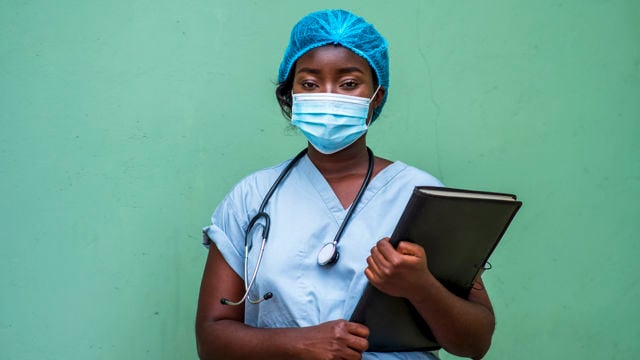
Norwegian aid prioritises strengthened national health systems in low-income countries so that more people can access essential health services. Efforts are pursued through long-term cooperation with national authorities, multilateral organisations and civil society organisations, with a particular focus on Sub-Saharan Africa.
What does Norwegian health assistance support?
The health systems strengthening portfolio aims to strengthen national health systems and ensure improved access to essential health services for all. A core priority is support for universal health coverage (UHC), so that no one is exposed to catastrophic expenditures in order to receive necessary health care.
Major and cross-border health challenges make international cooperation indispensable. A substantial share of Norwegian health assistance is therefore channelled through global initiatives and multilateral organisations that work to address common challenges in the health sector.
Who does Norad collaborate with?
Norway’s health assistance focuses on helping low- and lower-middle-income countries, primarily in Sub-Saharan Africa. Key partners are international organisations such as the World Health Organization (WHO) and the World Bank, as well as global health initiatives like Gavi, the Global Fund, CEPI, and the Pandemic Fund. Norway also works with civil society organisations and government agencies. This includes Norwegian specialised agencies partnering with institutions and agencies in low- and middle-income countries to strengthen their national health systems.
For example, the Norwegian Institute of Public Health (FHI) and the University of Oslo (UiO) contribute to strengthening access to digital health data. UiO has developed and successfully implemented the digital health information system DHIS2, which is used in more than 90 countries, while FHI supports public health functions in Palestine, Nepal, Ethiopia, Malawi, Ghana and Uganda, as well as through the Africa Centres for Disease Control and Prevention (Africa CDC).
Health systems are essential in preventing infectious diseases
Resilient national health systems are critical for effective prevention of and response to outbreaks of infectious diseases. See further information on Norwegian support for the development of national surveillance systems and outbreak response capacity.
A more strategic use of Norwegian development assistance
Norwegian health assistance is organised as a portfolio. Portfolio management is intended to ensure a knowledge-based and strategic use of development assistance funds, to achieve the objectives of Norwegian development policy.
Read more about portfolio management.