The Norwegian development programme to reduce plastic pollution and marine litter
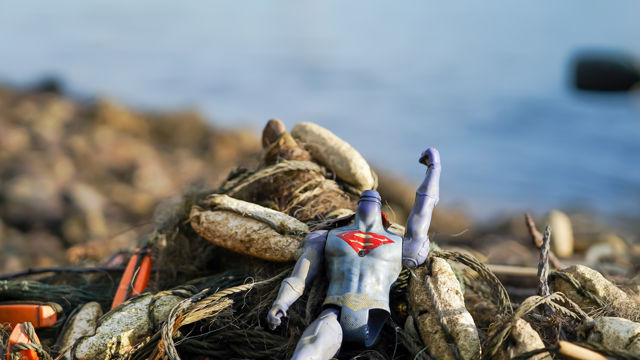
Plastic pollution is one of the fastest-growing environmental challenges of our time. It threatens ecosystems, harms wildlife, and affects marine resources and their use.
Around two billion people lack basic waste management systems, causing plastic to leak into the environment and eventually reach the ocean. A healthy ocean is essential for sustainable development and can both significantly increase ocean-based food production and help lift millions of people out of poverty.
Since 2018, Norway has made significant efforts to support developing countries in reducing plastic pollution and marine litter. Between 2018 and 2024, Norway supported more than 60 projects, investing over NOK 1.6 billion in total. These efforts have strengthened waste management systems, supported the clean-up of coastal areas and rivers, improved regulatory frameworks, and increased civil society participation in global plastic negotiations. A 2022 evaluation shows that the programme has made a moderate to significant contribution to reducing marine litter.
In 2024, the government announced that the programme will continue. In its second phase, the programme aims to allocate NOK 1 billion over the period 2025–2028. It will make an important contribution to achieving SDG 14 on Life Below Water, which includes preventing and reducing marine pollution. The second phase builds on the experience and results from the first phase, while also adjusting its approach in response to developments in the global plastic agenda. Notably, the programme has been renamed to reflect that the challenge extends beyond marine litter to plastic pollution more broadly.
Programme Objectives
The second phase of Norwegian development programme on plastic pollution and marine litter aims to reduce plastic pollution and marine litter in developing countries to protect human health and the environment. To achieve this, the programme will contribute to:
- Strengthened regional, national and global frameworks to stop plastic pollution and marine litter
- Reduced consumption and demand for plastic
- Improved plastic waste management in partner countries
- Increased resource mobilization and safe job creation in the private sector within the circular economy
- Reduced health and environmental damage from plastic pollution and marine litter
Geographical Focus
The programme focuses on countries in Southeast Asia, Africa, and small island developing states. In the new phase, greater emphasis will be placed on countries with strong potential and political will to reduce plastic pollution, such as India, Indonesia, Vietnam, and South Africa. This builds on the work and results from the first phase, where Norway has had substantial project portfolios in these countries. At the same time, efforts will be increased in selected African countries where Norway already has ongoing ocean or environmental cooperation, such as Kenya, Tanzania, and Ghana.