Norwegian support for Humanitarian and Comprehensive Response
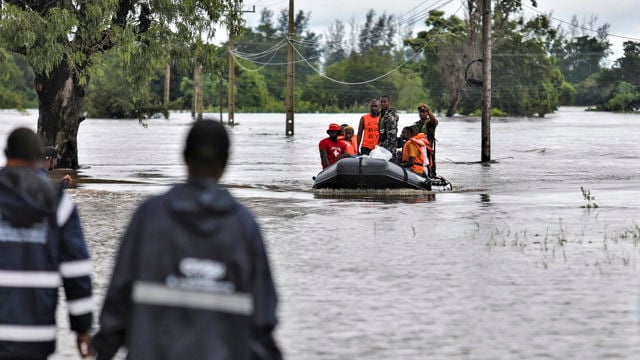
Norwegian humanitarian assistance is the support Norway provides to people affected by war, crises and natural disasters.
The objective is to save lives, alleviate suffering, and safeguard human dignity and rights in situations of crisis and conflict.
Humanitarian assistance includes immediate emergency relief, as well as other forms of crisis response such as:
- protection of civilians and human rights
- psychosocial support for children and adults
- restoring schools, health services and water supply systems
- prevention and preparedness in vulnerable areas
We have a duty to assist people in need, regardless of who they are or where they live. This obligation stems from the humanitarian imperative.
Comprehensive Response
Crises rarely occur in isolation. Norway’s response therefore combines immediate emergency relief with long-term efforts in development and peacebuilding. This is what we refer to as an integrated response.
Humanitarian crises often occur in vulnerable societies affected by conflict, poverty and weak governance, or because of climate change. The aim of an integrated response is to address urgent needs while strengthening societies over the longer term.
In recent years, humanitarian needs have increased significantly. This is particularly due to:
- Armed conflicts have increased in number and duration
- climate change triggering and exacerbating crises
- weak security and preparedness in what we refer to as fragile states
Norway’s response must be predictable so that local and international partners can rely on support that is rapid, flexible and long-term.
International cooperation – essential for humanitarian action
Norad cooperates with UN organisations, the Red Cross and other civil society partners to ensure that assistance reaches people quickly and is channelled to where needs are greatest. Norway seeks to be a predictable, principled and leading humanitarian actor.
Funding decisions are grounded in solid analysis and documented results, with clear expectations regarding quality, learning and impact.
Norway places strong emphasis on local actors, local knowledge and sustainable solutions.
Humanitarian assistance is allocated according to needs. UN response plans provide an important framework for prioritisation and coordination, while political priorities also inform overall allocations.
The largest recipients of Norwegian humanitarian assistance are Ukraine, Sudan and Palestine.