How Norway Will Allocate Humanitarian Funding in 2026
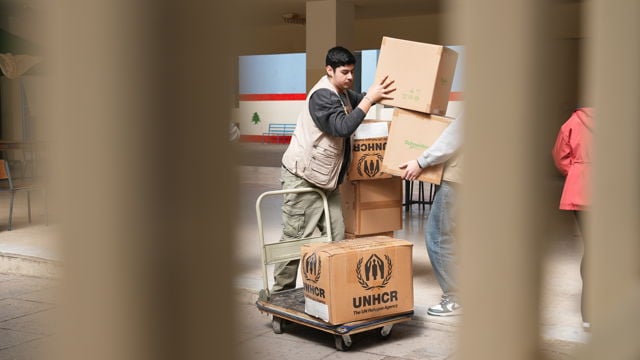
UNHCR is distributing emergency aid to displaced families in Saida, Lebanon, together with its partner DPNA
Norway will provide nearly NOK 6 billion in humanitarian assistance in 2026. In addition comes humanitarian support to Ukraine.
“We have placed great emphasis on ensuring that the funds reach the most vulnerable. Norwegian contributions must be used where needs are greatest and where assistance can make the biggest difference,” says Martin Samuelsen, Head of Section for Humanitarian Assistance at Norad.
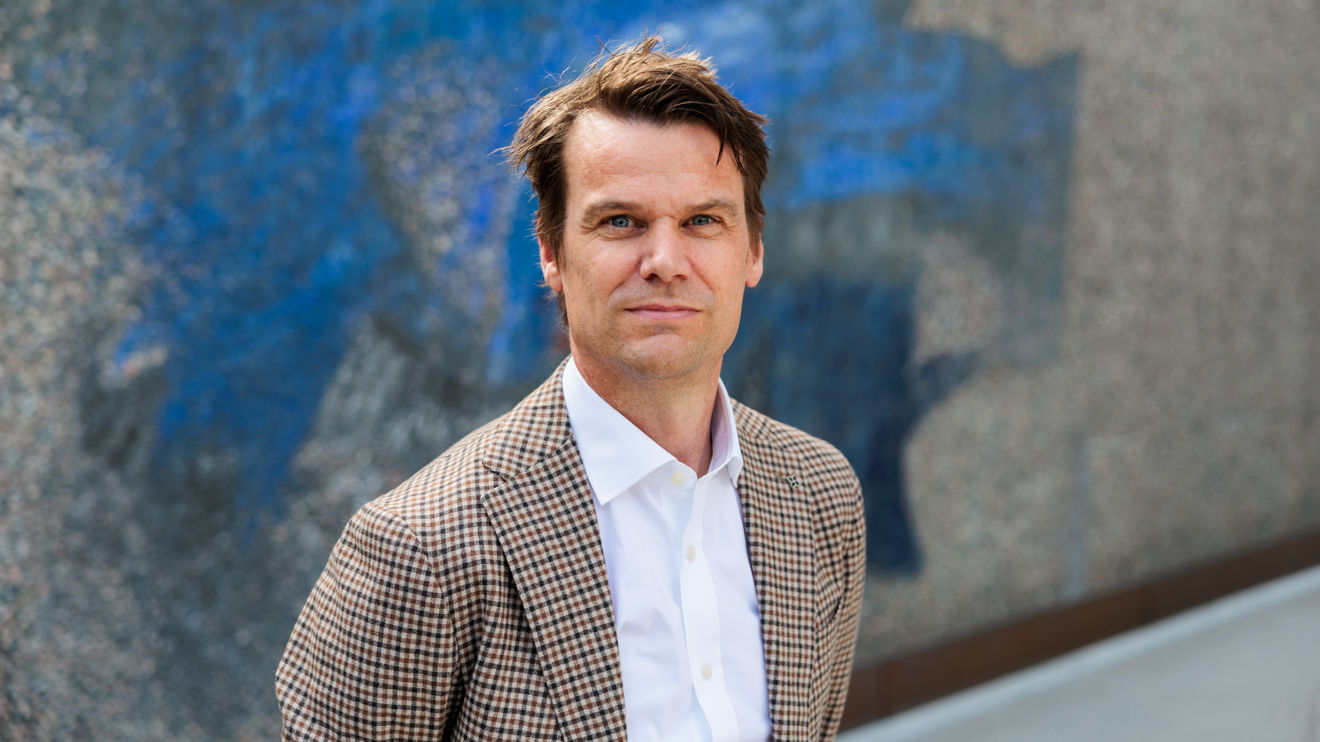
Martin Samuelsen, Head of the Humanitarian Assistance Section at Norad.
Growing Humanitarian Needs
Humanitarian needs are increasing due to conflict, climate change and economic instability. This requires rapid, flexible and targeted humanitarian action.
“There have never been more people in the world in need of urgent assistance. At the same time, major donor countries have dramatically reduced their aid. It is now even more important to use resources strategically and effectively,” says Gunn Jorid Roset, Director of Norad.
A significant share of the funding is channelled through UN-managed country-based pooled funds and humanitarian partners that can respond quickly to acute needs. This also strengthens locally led response.
Prioritising Flexibility and Locally Led Response
A key priority in this year’s allocation is to strengthen flexible humanitarian work that ensures assistance reaches people in crisis quickly.
“Rapid and flexible financing saves lives. It enables us to react and adjust our efforts as situations evolve, which is essential in crises where access is difficult and needs are severe,” says Samuelsen.
The funding will also contribute to better coordination and strengthen local actors.
Humanitarian Crises Prioritised in 2026
In 2026, Norwegian humanitarian assistance will, among others, go to the following crises, which are among the world’s most severe:
Ukraine and Moldova: NOK 3.5 billion
This support is managed by a dedicated department in Norad. Learn more about the Nansen Support Programme for Ukraine.
Syria and Lebanon: NOK 351 million
The long-term consequences of the war in Syria, which ended in 2024, continue to generate extensive humanitarian needs. The economic crisis and the new conflict in the region add further pressure. Most of the support goes to Syria, followed by Lebanon and Jordan, and covers emergency aid, education, food security and locally led response efforts.
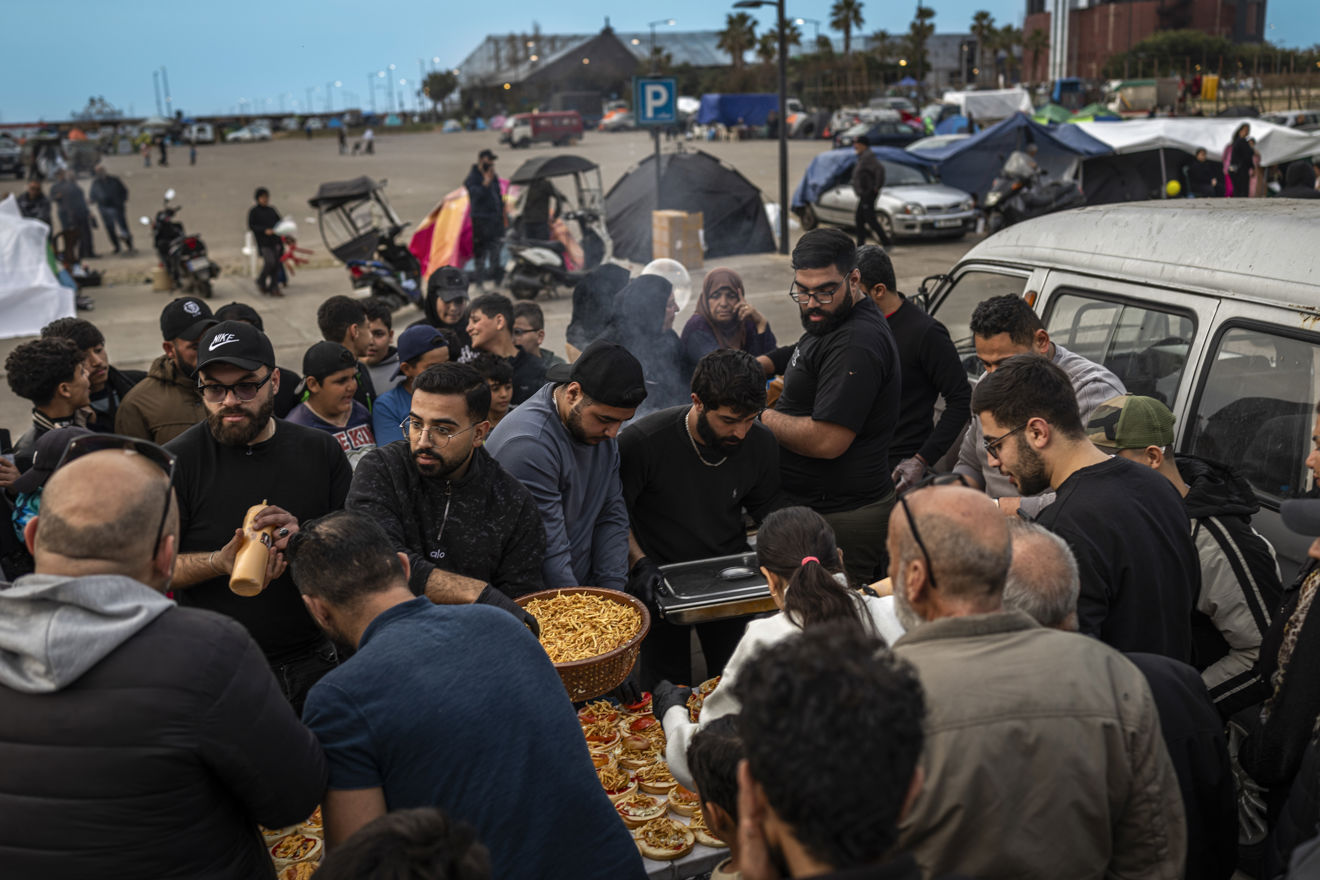
Volunteers are distributing food to displaced people along Beirut’s seafront promenade, where thousands are seeking refuge.
Sudan: NOK 268.8 million
Sudan is the world’s largest and most severe humanitarian crisis. Millions are displaced and in urgent need of food, protection and health services. Support is channelled through UN agencies, country-based pooled funds, the Red Cross Movement and Norwegian partners.
See also: The world’s worst crisis.
Palestine: NOK 239 million
Funding goes to lifesaving assistance, including food, health, protection and basic services for Palestinian refugees in an extremely challenging humanitarian situation.
Afghanistan and Neighbouring Countries: NOK 168 million
Afghanistan is marked by economic collapse, food insecurity and extensive humanitarian needs. The funding covers emergency assistance inside Afghanistan and support to Afghan refugees in Iran and Pakistan.
Yemen: NOK 146 million
Yemen remains one of the world’s most severe and underfunded humanitarian crises, with widespread food insecurity and collapsing basic services. Norwegian support provides lifesaving assistance through experienced humanitarian partners.
Horn of Africa (Ethiopia, Somalia, Kenya): NOK 146 million
The region is affected by conflict, drought and food insecurity. Funding supports emergency assistance, protection and food security through pooled funds and Norwegian partners.
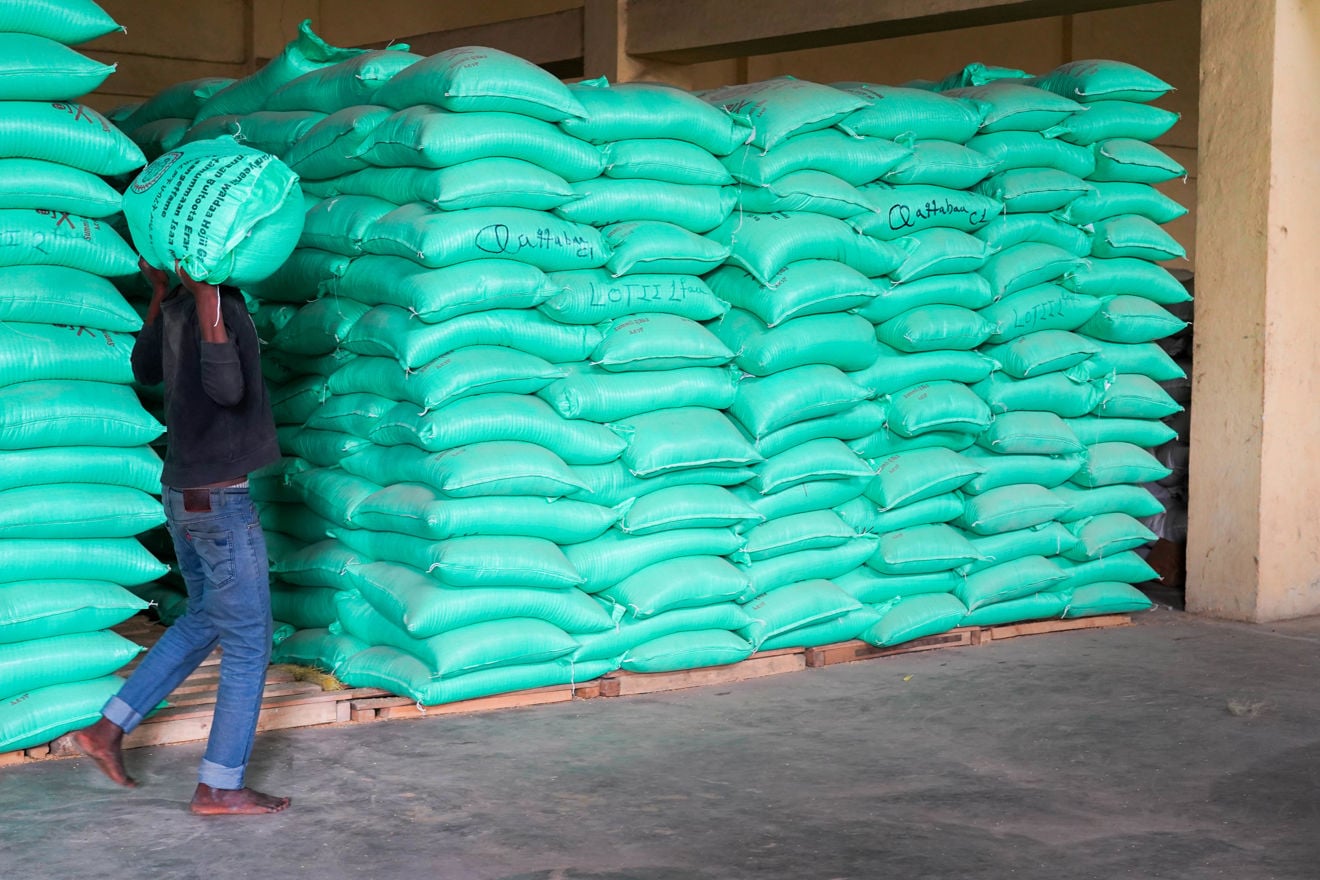
Sacks of seed grain that can be used to improve crop yields in Ethiopia
Myanmar and Neighbouring Countries: NOK 106 million
Conflict, political instability and natural disasters have led to growing humanitarian needs in Myanmar and the region. Support includes food assistance, protection and targeted measures for particularly vulnerable groups, including Rohingya refugees in Bangladesh.
Democratic Republic of the Congo and Central African Republic: NOK 94 million
Both countries face longstanding conflict, weak institutions and large humanitarian needs, especially in conflict-affected areas. Norwegian support includes emergency response, food security and assistance to vulnerable communities through pooled funds and humanitarian partners.
Sahel (Burkina Faso, Mali, Niger and Chad): NOK 90 million
The Sahel region is affected by conflict, political instability and a severe food crisis. Over 12 million people are displaced. Support goes to OCHA’s regional humanitarian fund and Norwegian partners with strong presence in the region.
South Sudan: NOK 75 million
South Sudan faces conflict and climate-related crises, and a large share of the population is displaced. Support covers water, sanitation and hygiene services, protection, and assistance to refugees and internally displaced people.
Nigeria and Cameroon: NOK 67 million
Conflict and violence in north-east Nigeria and across the Lake Chad Basin have displaced millions. Funding supports emergency relief and protection through experienced humanitarian partners.
Mozambique: NOK 38.5 million
Mozambique is affected by conflict and recurring natural disasters, including floods and cyclones. Norwegian support contributes to emergency response and preparedness through regional funds and partners.
Part of a Broader Humanitarian Effort
These new allocations come in addition to multi-year agreements with humanitarian partners. Together, they constitute a broad and flexible Norwegian effort in which different funding mechanisms complement one another.
Norwegian support is channelled through:
- UN agencies and country-based pooled funds
- The Red Cross and Red Crescent Movement
- Norwegian humanitarian organisations
- The humanitarian reserve, which is activated for sudden emergencies during the year
In addition to geographic priorities, a significant part of the assistance is thematic. Three areas are particularly emphasised:
- protection of civilians
- hunger
- health services in humanitarian crises
These are areas where needs are high across countries and crises, and where flexible funding is essential for rapid response.
Norway also continues to support key global emergency mechanisms such as WHO’s Contingency Fund for Emergencies (CFE), the Red Cross Movement’s Disaster Relief Emergency Fund (DREF), the UN Central Emergency Response Fund (CERF) and WFP’s Immediate Response Account (IRA).
These mechanisms enable rapid disbursement of funds in acute crises, support to internally displaced people and more effective response across humanitarian actors.
Improved Oversight and Coordination
As part of this year’s allocation process, dedicated analysis and allocation notes have been developed for countries, regions and thematic priorities. The aim is to strengthen the overall humanitarian effort and ensure better coordination across actors.
Good analysis and coordination are essential to ensure that we use the funds as effectively as possible and where needs are greatest. In this way, Norway contributes to reducing humanitarian needs over time, says Martin Samuelsen, Head of Section for Humanitarian Assistance at Norad.