– Pride is not a celebration, it is an act of resistance
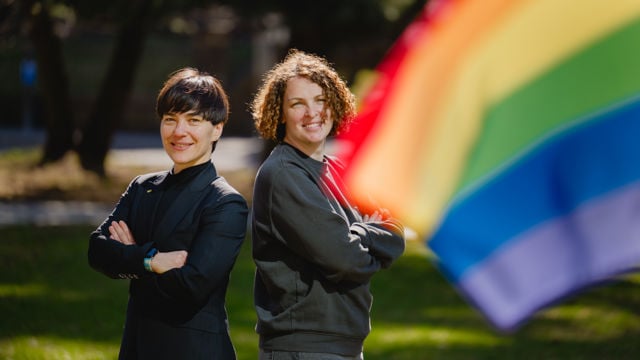
Olena Shevchenko (to left) and Olena Hanich (to right)
What is it like to stand up for fundamental human rights in a country under attack? Norad met two Ukrainian human rights defenders who, with support from Norway, are working to ensure that the rights of LGBTQ+ people are not put on hold during the war.
– Even in what I might consider hopeless situations, people still find some way to do activism, to stay visible, and to voice their messages, says sier Olena Hanich. She and her colleague, Olena Shevchenko, are in Norway to share experiences from their work for LGBTQ+ rights in Ukraine.
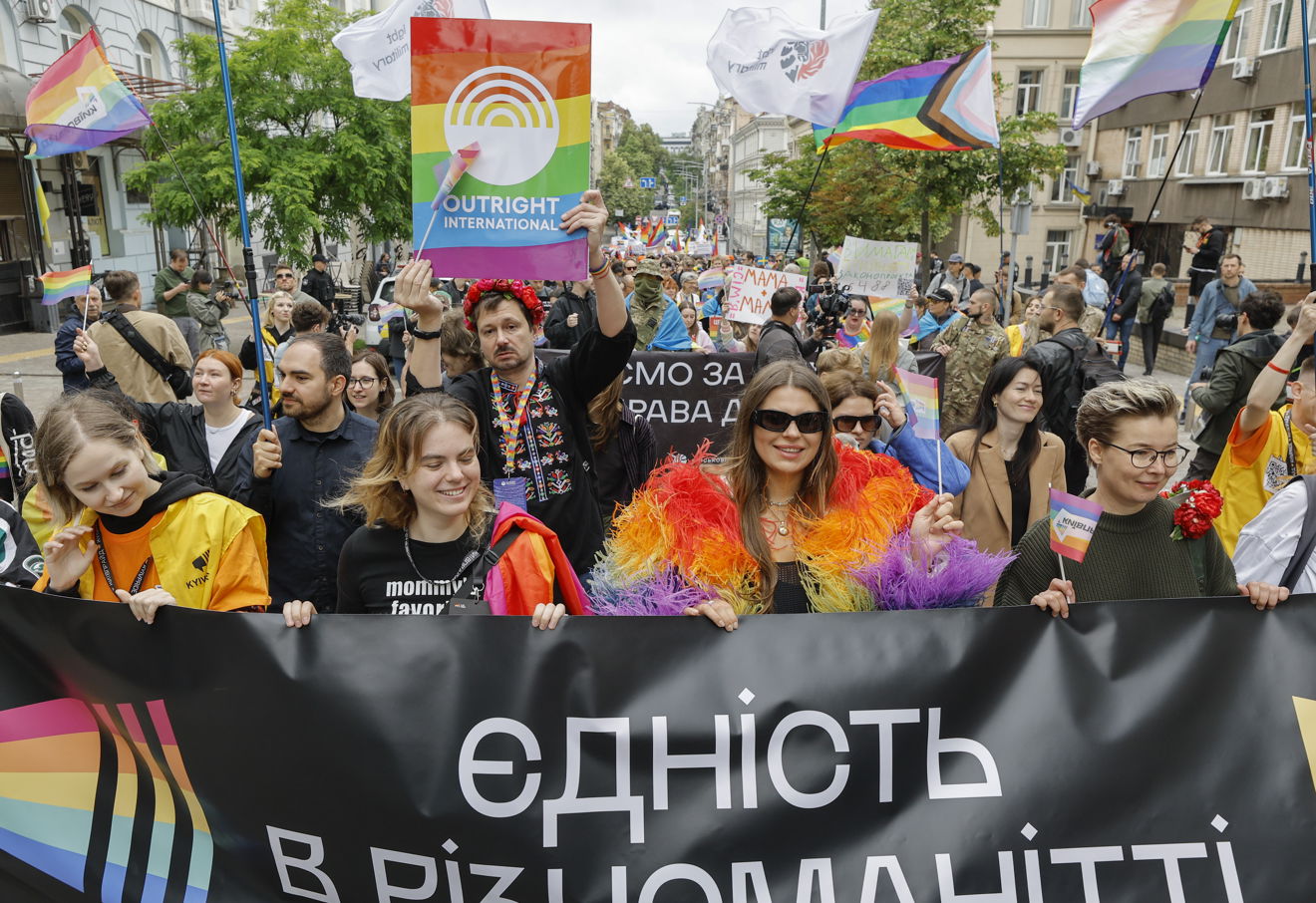
Participants marked Pride in Kyiv and marched through the city centre on 14 June 2025. At the same time, right-wing conservative activists held a counter-demonstration.
They receive support from the Nansen Support Programme for Ukraine, through the Norwegian Helsinki Committee. The programme aims to strengthen protection, documentation and legal safeguards for LGBTQ+ people in Ukraine.
A few weeks before Pride celebrations are due to fill the streets of Oslo with rainbow flags, we met them for an interview at Norad.
Olena Shevchenko
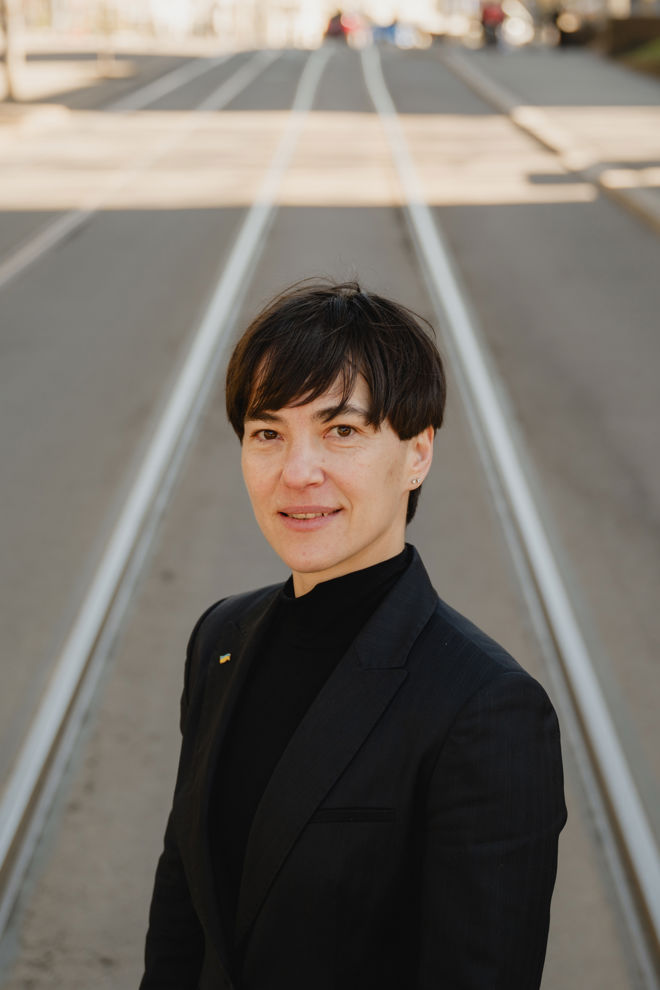
Olena Shevchenko is one of Ukraine’s most prominent human rights defenders and a leading activist for LGBTQ+ rights. She is co-founder and director of Insight, working for the rights of queer people.
Can you tell us how Pride is marked in Ukraine?
– It is not the same as in Norway, unfortunately. For us, Pride is not a celebration; it is still a riot. It is a struggle for every step you take in central Kyiv. In practice, it looks like this: we are surrounded by police and only have about 10–15 minutes before the far-right conservative groups arrive and try to stop the parade through violence. The march is a demonstration.
– I am glad that so many people in Ukraine, not only people from the LGBTQ+ community, but also heterosexual allies, choose to come. More and more people march each year to defend freedom and the rights of everyone.
You have worked as an activist for a long time. How has the full-scale invasion affected your work?
– We are in the middle of a hybrid war and many people have died — including many LGBTQ+ people. We are fighting across Ukraine for our country and for our human rights.
– The war has also opened a window of opportunity for us, because we are now moving away from Russian conservative values. We are defending freedom for everyone, and that is helping make the LGBTQ+ community more visible.
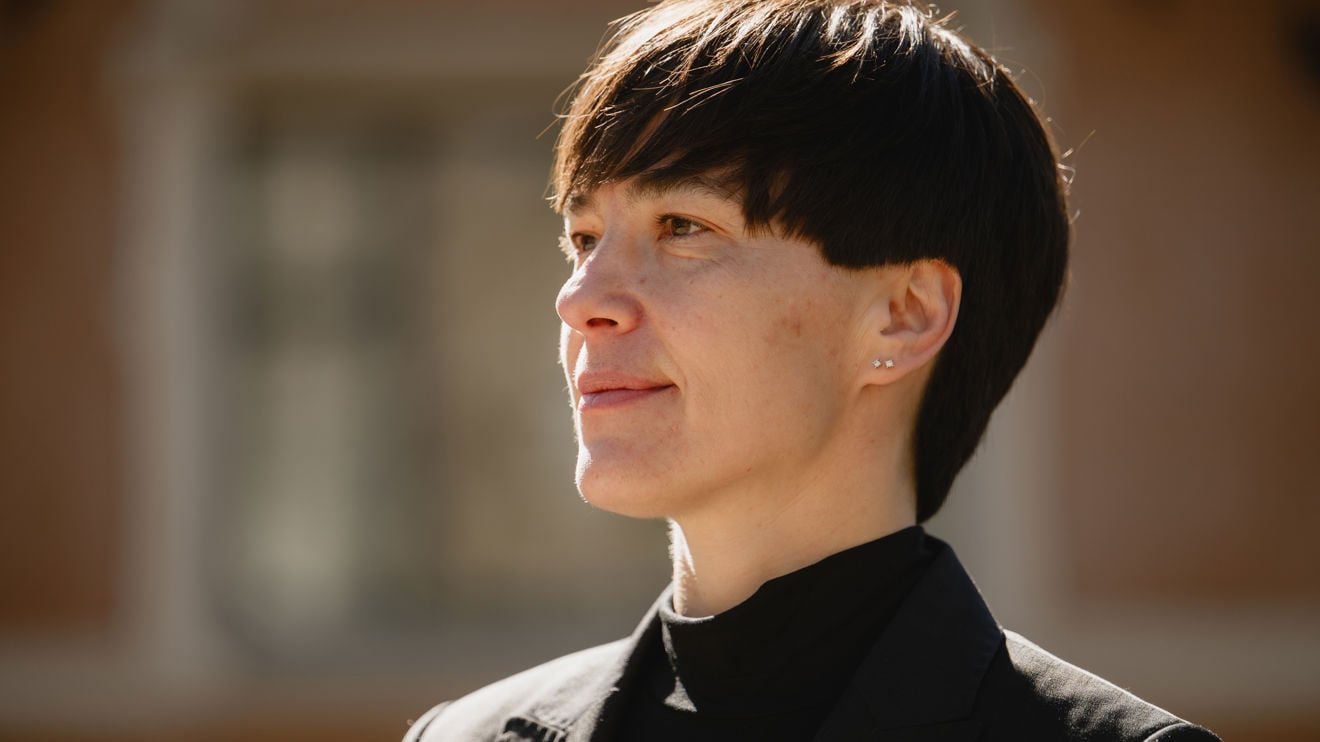
For several years, Shevchenko has worked to strengthen legal protection and safety for queer people, transgender people and other marginalised groups, including under the challenging conditions of wartime.
Is there anything that gives you hope?
– Of course. Every day in my life I think there is hope, even though the situation is complicated and difficult. Every time I meet new people who come to our community centre, when we win a court case, or when people come up to me in the supermarket and say: «I saw you, thank you for your work» — that is where hope exists.
What is your message to people in Norway?
– Our struggle is also your struggle. Protect the right to be loud, to go out into the streets and say that you disagree with something, or simply to express yourself. If you are ever denied that right, other sanctions and restrictions will follow. So of course, you must defend it. This is a struggle, not a celebration, in Norway too.
Olena Hanich
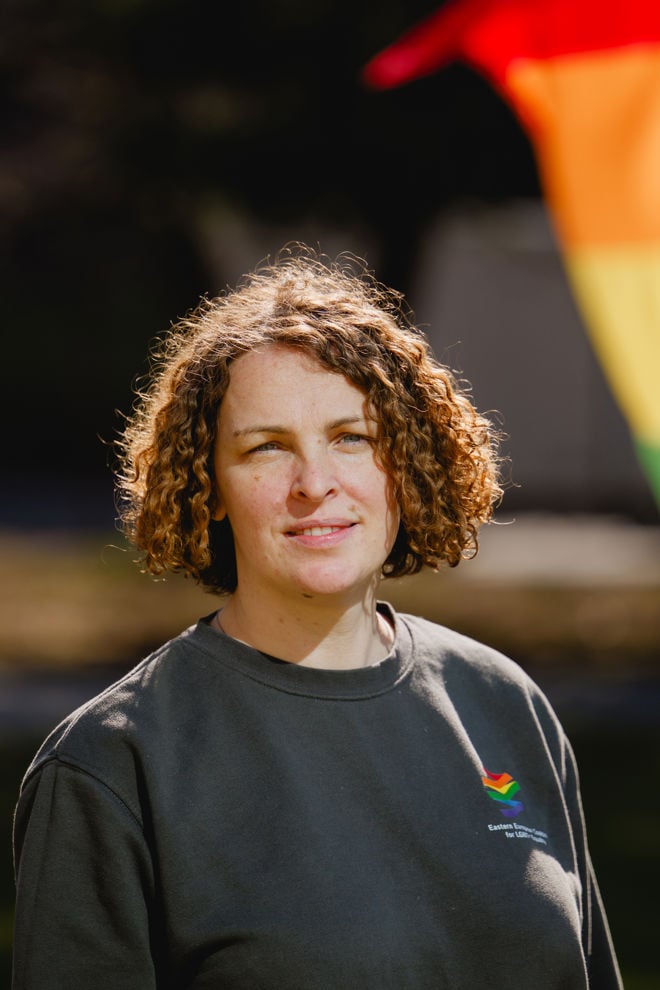
Hanich is a LGBTIQ+ activist and project coordinator for the Eastern European Coalition for LGBT+ Equality. For many years, she has been a leading voice in the struggle for queer rights in Ukraine.
What motivates you to stand up for human rights in the way you do?
– When I see that people still have hope in their eyes and ideas, despite the difficult circumstances they are living in. That inspires me and gives me hope.
– Even in what I might consider hopeless situations, people still find a way to do activism, to stay visible, and raise their voices.
How has the war changed the way you work?
– Before the full-scale invasion, LGBTQ+ organisations were not very involved in humanitarian work. February 2022 changed everything in just a few days. Organizations that worked with human rights, community building, and advocacy immediately switched their activities to humanitarian support.
– At the same time, we are still fighting for our rights, we are still doing advocacy, and we are still building communities. We are simply combining that work with humanitarian assistance as well.
Has being a minority group strengthened your work, or made it more difficult?
– I would say that in wartime, minorities are the groups that are most affected, especially when it comes to the feeling of isolation. So, in some ways it weakened us a little, but at the same time we became more united as a group and more supportive of one another. Because now we understand not only our own vulnerabilities, but also the vulnerabilities of the people around us. And that is something that unites us.
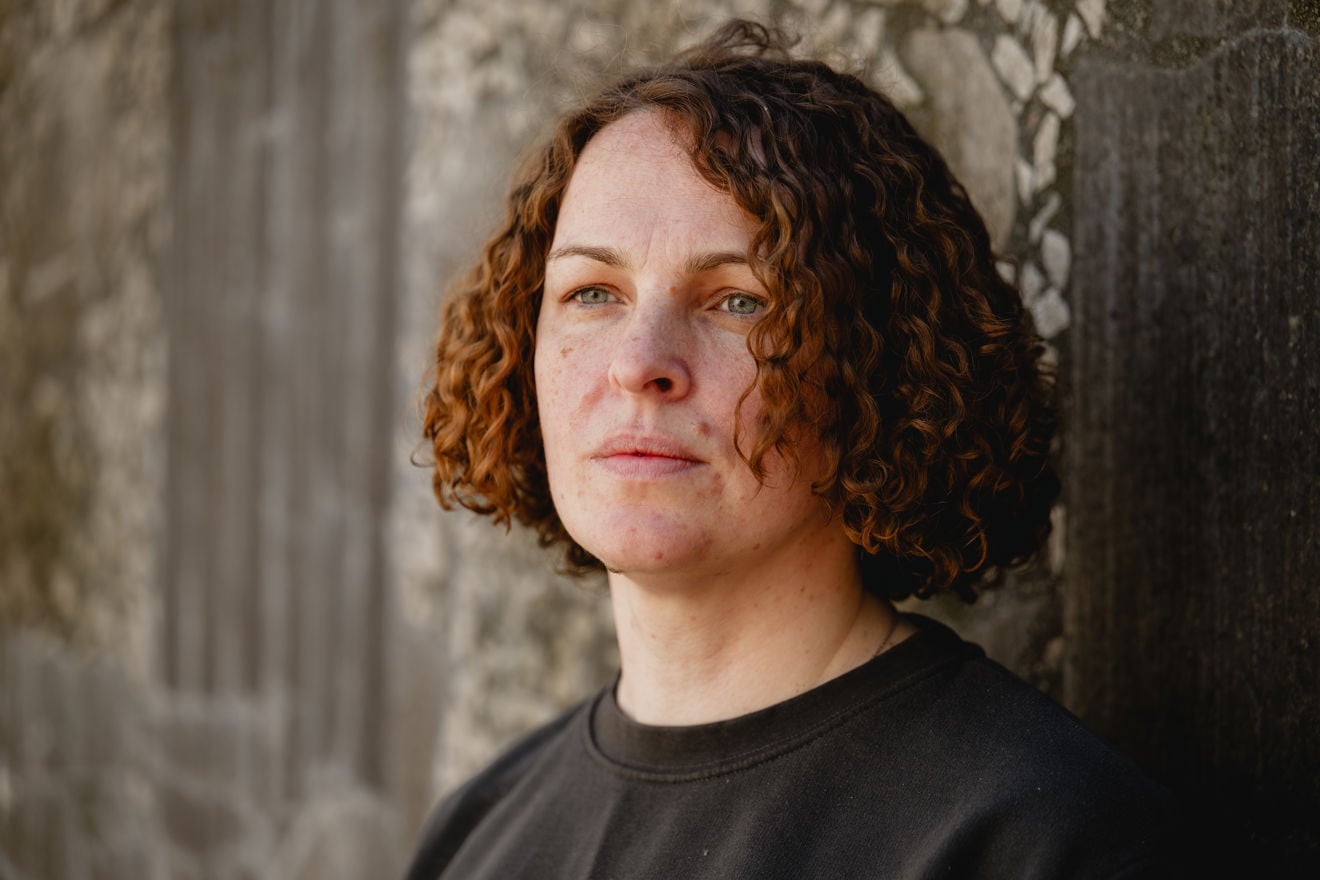
For many years, Olena Hanich has been a leading voice in the struggle for queer rights in Ukraine and Eastern Europe.
Will you take part in Pride in Ukraine this spring?
– Yes, I am planning to. Pride is a demonstration to remind the state, the government and our officials that we are here. We are Ukraine too. We deserve security and we deserve recognition.
Do you have a message for people in Norway?
– I would say: take care of your rights. Pay close attention to what is happening around you, and if you notice that something is going wrong, speak about it. Do not assume that your rights will last forever. We can look at the situation in Georgia and how dramatically it has changed over the past three years.
Nothing is guaranteed. Speak up. Be loud!
– Pride is not a celebration, it is an act of resistance