Strengthening the Fight for the Rainforest
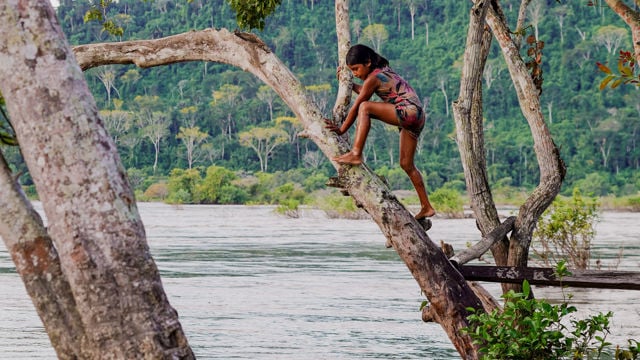
The Xingu River in Brazil flows through Kayapo territory – an area where Indigenous peoples are working to protect the forest from illegal gold mining, fishing and agriculture.
Norway provides around NOK 500 million annually to 29 organisations and environmental defenders from across the world. Around half of the funding goes to Brazil, which has achieved significant success in conserving rainforest.
– This support delivers triple benefits for people, nature and the climate. When deforestation is reduced, emissions fall, biodiversity is protected, and people can make a living from the forest without destroying it, says Norad Director General Gunn Jorid Roset.
See the list of organisations that have received funding

Norad Director General Gunn Jorid Roset speaking at the "Tall som teller" event.
The funding scheme is primarily aimed at civil society, Indigenous peoples’ organisations and other actors working directly in and around rainforest areas.
Read also: Standing Together Against Illegal Gold Mining in the Amazon
– There is strong evidence that when local communities and Indigenous peoples are given rights, income opportunities and the space to manage forests sustainably, the forests remain standing. This is essential to securing sustainable development with lasting results, says the Norad Director General.
The scheme is managed by Norad with funding from Norway’s International Climate and Forest Initiative (NICFI).
– The world’s rainforests are vital for the climate, nature and the livelihoods of millions of people. We are now supporting targeted measures that help reduce deforestation and protect forests where pressure is greatest, emphasises Minister of Climate and Environment Andreas Bjelland Eriksen.

Minister of Climate and Environment Andreas Bjelland Eriksen.
Brazil at the centre of Norway’s efforts
Through initiatives such as the Amazon Fund, Norwegian contributions have helped reduce deforestation by protecting Indigenous peoples, strengthening authorities’ capacity to combat illegal deforestation, and developing effective rainforest monitoring methods.
New figures from Global Forest Watch show that Brazil is succeeding: last year, deforestation fell by as much as 41 per cent compared with 2024. Nevertheless, deforestation, especially from fires, remains high.
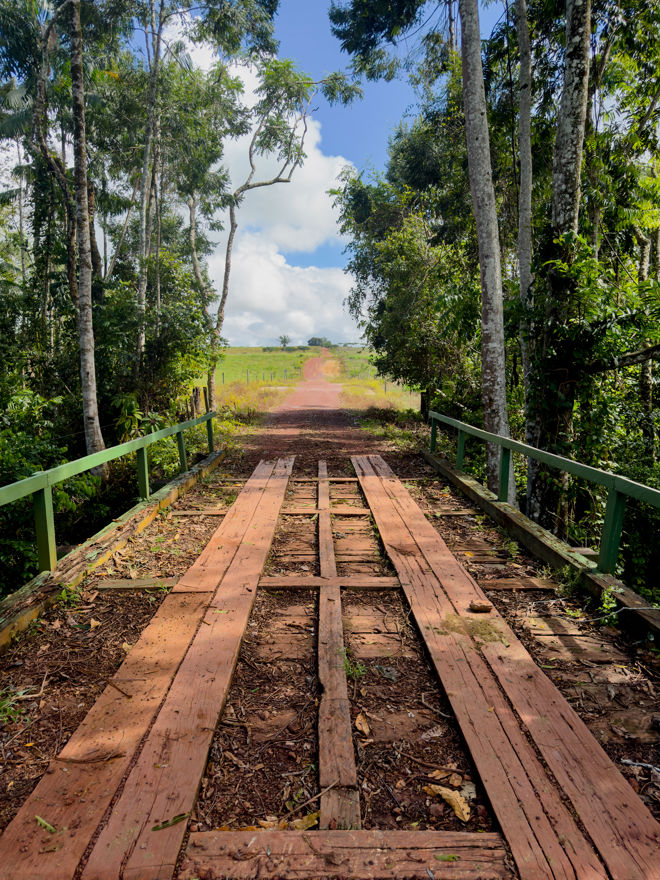
Pará in Brazil is one of the country’s most important agricultural states and lies partly within the Amazon region. The region is home to 26 million cattle.
– Brazil shows that it is possible to reverse the trend when political will is combined with targeted measures on the ground. The results are important, not only for Brazil itself, but for the entire world, says Bjelland Eriksen.
One of the projects receiving funding will further develop new technology capable of predicting where deforestation is likely to occur – before it actually happens. The Brazilian organisation IMAZON will continue developing the PrevisIA tool, which uses data and analysis to identify areas at high risk of deforestation in the Amazon. The tool has already identified around 15,000 square kilometres as high-risk areas – almost the size of Agder county.
Read also: A Turning Point in the Cattle Industry
Part of a broader effort
The agreements form part of Norway’s long-term efforts to protect rainforest, which is Norway’s most important international climate initiative. The funding will, among other things, contribute to:
- ensuring that the production and trade of commodities such as coffee, cocoa and soy do not lead to deforestation
- strengthening the rights of Indigenous peoples and local communities, who are often the most effective protectors of the rainforest
- uncovering and documenting environmental crime, and supporting authorities’ efforts to combat illegal activities
– Many of those protecting the world’s precious rainforests face difficult and at times dangerous conditions, under pressure from powerful commercial interests that profit in the short term from forest destruction. That is why it is so important to support Indigenous peoples, local communities, environmental organisations and public institutions with knowledge, resources and effective tools, says Gunn Jorid Roset.
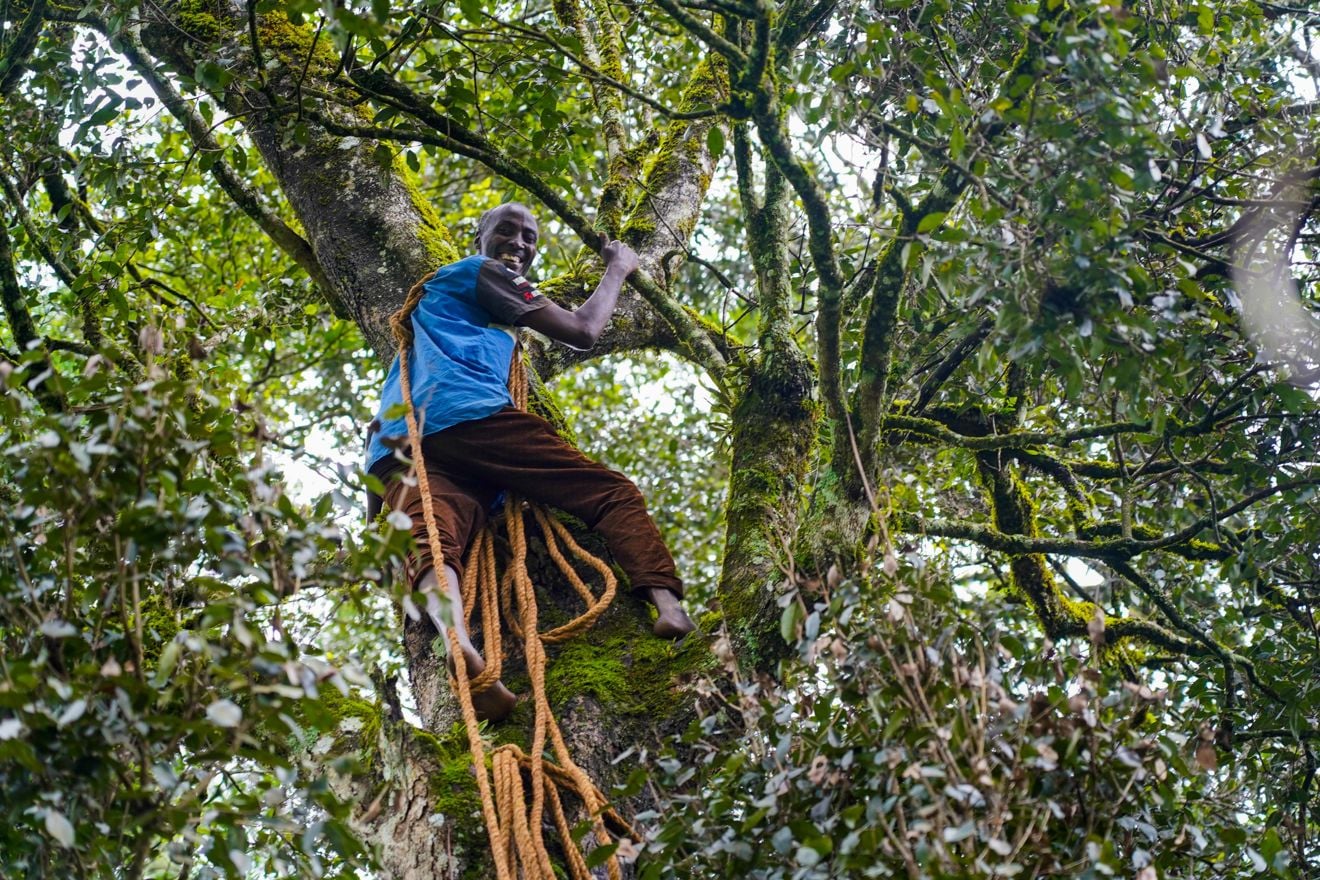
Honey collector Ibrahim Kasim uses sustainable honey production to help preserve Ethiopia’s threatened forests and wildlife.
Norwegian forest aid supports 29 projects aimed at reducing deforestation and strengthening forest protection in Brazil, Indonesia, Peru, Colombia, Ecuador, Ethiopia, the Democratic Republic of the Congo and Gabon. Local organisations, Indigenous peoples’ organisations and other partners are responsible for implementation.