Norwegian aid increases while global aid cuts hit hard
Norwegian aid increased by NOK 3.2 billion in 2025, reaching a total of NOK 58.9 billion. At the same time, international aid cuts were far more severe than the estimates in even the most pessimistic scenarios. The poorest countries have been hit hardest, a new Norad report shows.
Read the report: "Tall som teller" (Figures that Matter) – Statistics on Norwegian Development Aid in 2025 (available only in Norwegian)
Ukraine, Palestine and Brazil are the three largest recipients of Norwegian support, according to the Norad report presented at the “Tall som teller” (Figures that matter) event on 5 May. Support to Ukraine accounts for much of the increase in Norwegian aid. Ukraine received NOK 11.7 billion in 2025 – 27 per cent more than in 2024. By comparison, the least developed countries received a combined NOK 7 billion.
– Norway is supporting Ukraine with humanitarian assistance for those affected by the war, and with support to Ukrainian authorities and civil society. War and security policy crises also affect priorities within the aid budget. At the same time, we must strike the right balance and continue to provide effective aid for long-term development in poor countries, says Norad Director General Gunn Jorid Roset.
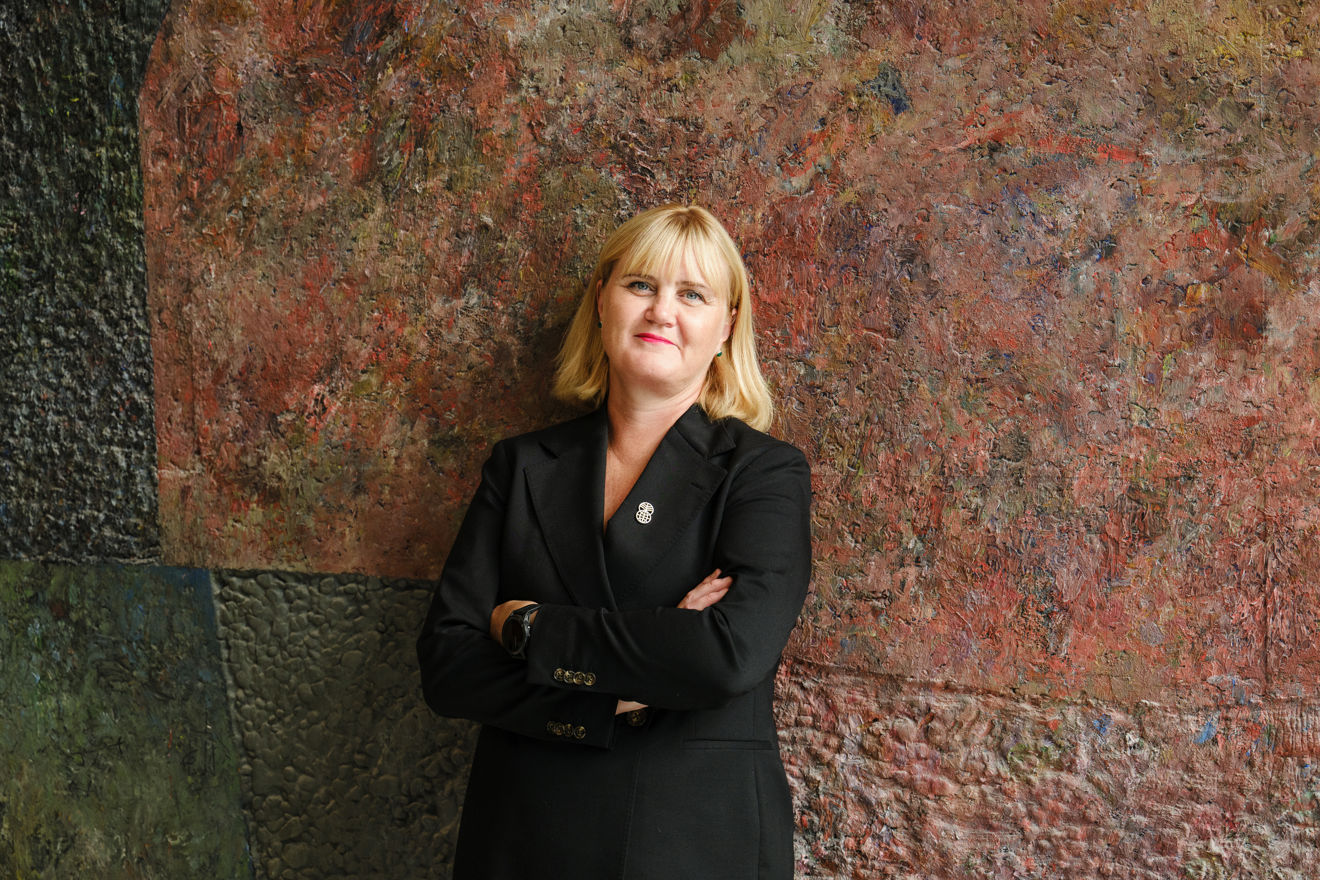
Director General of Norad, Gunn Jorid Roset.
Climate aid also increased in 2025. This means aid aimed at reducing greenhouse gas emissions and strengthening adaptation to climate change in partner countries.
Over one per cent to aid
Norway allocates 1.03 per cent of its Gross National Income (GNI) to aid. This makes Norway the largest contributor among the four countries that last year met the UN target of allocating at least 0.7 per cent of income to aid. At the same time, total international aid fell from 0.34 to 0.26 per cent. Aid from traditional donor countries in the OECD/DAC amounted to USD 174.3 billion in 2025. That is 23.1 per cent lower than in 2024.
– We are seeing a dramatic decline in international aid, which is now back at 2015 levels, when the Sustainable Development Goals were launched. This is happening at a time when needs are greater than ever, says Norad Director General Gunn Jorid Roset.
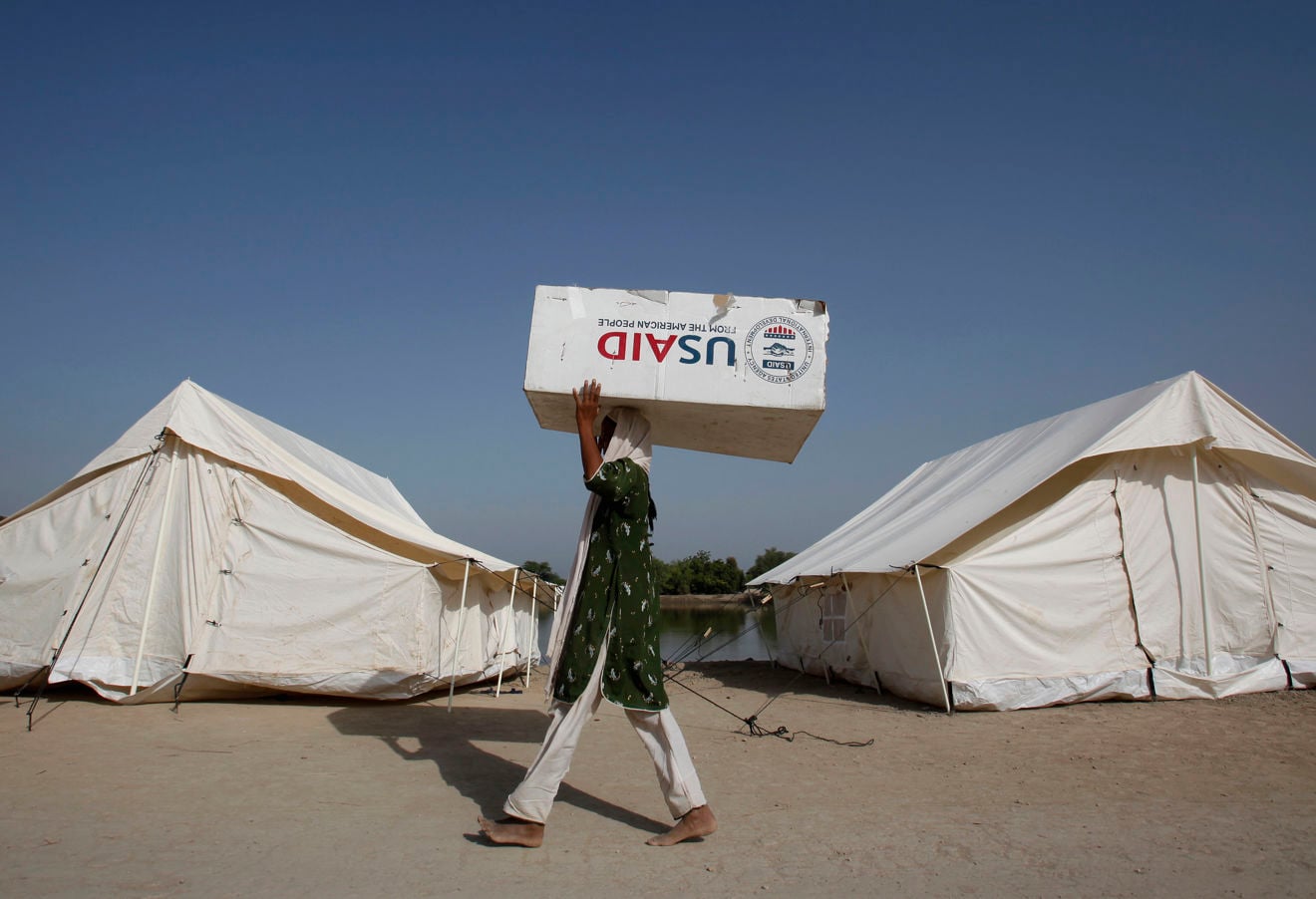
The United States, Germany, France, the United Kingdom and Japan account for 96 per cent of the cuts, with the United States alone responsible for 75 per cent.
– When so many major donor countries are cutting back, it becomes even more important that some stand firm. The situation also requires tougher prioritisation. This gives us a particular responsibility to use aid even more effectively and strategically, Roset emphasises.
The poorest countries hardest hit
From 2024 to 2025, total international aid fell by 23 per cent. The United States, Germany, France, the United Kingdom and Japan accounted for 96 per cent of the cuts, with the United States alone responsible for 75 per cent. Cuts to humanitarian aid were particularly severe, declining by 35.8 per cent.
The poorest countries, which often also receive humanitarian assistance, have been hardest hit by these cuts. Earmarked aid to the least developed countries fell by 25.8 per cent, and aid to sub-Saharan Africa by 26.3 per cent. Historically, the United States has been a major donor to these country groups, particularly in sub-Saharan Africa, where aid makes up a significant share of public budgets for health, education and basic services.
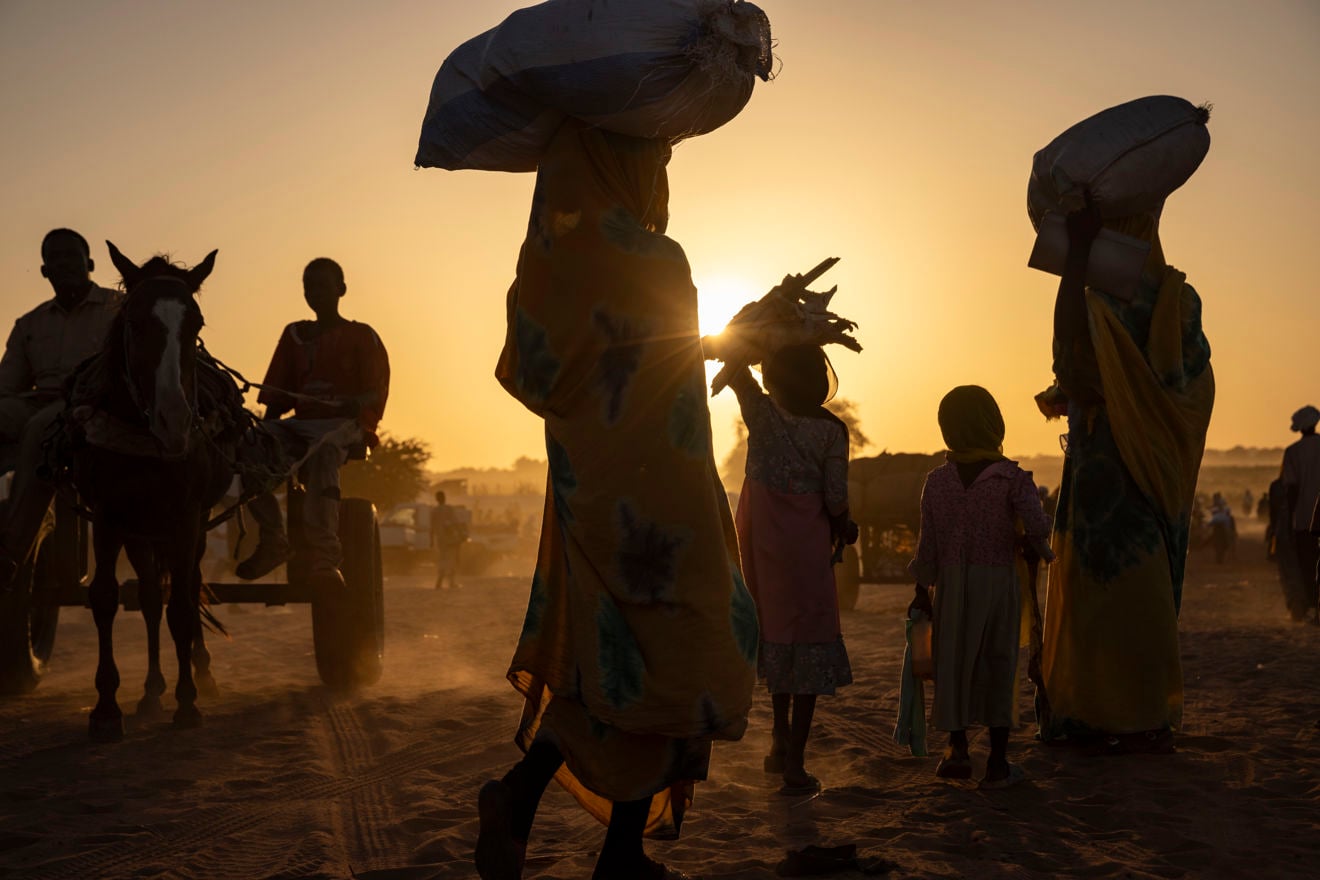
Recently arrived Sudanese refugees in the border town of Adré in Chad.
– Millions of lives are being lost when the world no longer stands by those who need it most. International aid cuts were deeper than what we assumed to be the worst-case scenario at this time last year. This has hit the poorest countries hardest, says Roset
UN figures show that around 25 million fewer people received humanitarian assistance in 2025 compared to the previous year. Several studies estimate that millions of lives could be lost if aid cuts persist, including due to lack of access to HIV medication.
Read the related article: How Norway is allocating humanitarian funding in 2026
More for climate investment and adaptation
Increased capital allocations to the Climate Investment Fund also explain part of the rise in Norwegian aid last year. The fund, managed by Norfund, has helped mobilise significant private capital for climate and energy investments in developing countries.
– The Climate Investment Fund shows that aid can be used to unlock investments many times greater than what the state can provide on its own. This leads to real emissions reductions, faster green transition and improved access to clean energy in countries that would otherwise be locked into fossil infrastructure for decades, says Roset.
Africa is the region receiving the most climate adaptation aid, with Ethiopia, South Sudan, Malawi and Tanzania among the largest recipient countries of adaptation aid in 2025. In Africa, climate-smart agriculture and strengthened food security are the largest sector.
Successful forest conservation in Brazil and Indonesia
The ten largest recipient countries illustrate the breadth of Norwegian aid. Ukraine, Palestine and Syria are affected by war and conflict. Afghanistan, South Sudan, Sudan, Ethiopia and Malawi are among the least developed countries, many also affected by conflict and crises. Brazil and Indonesia are among the largest recipients due to Norway’s results-based support for reduced deforestation.
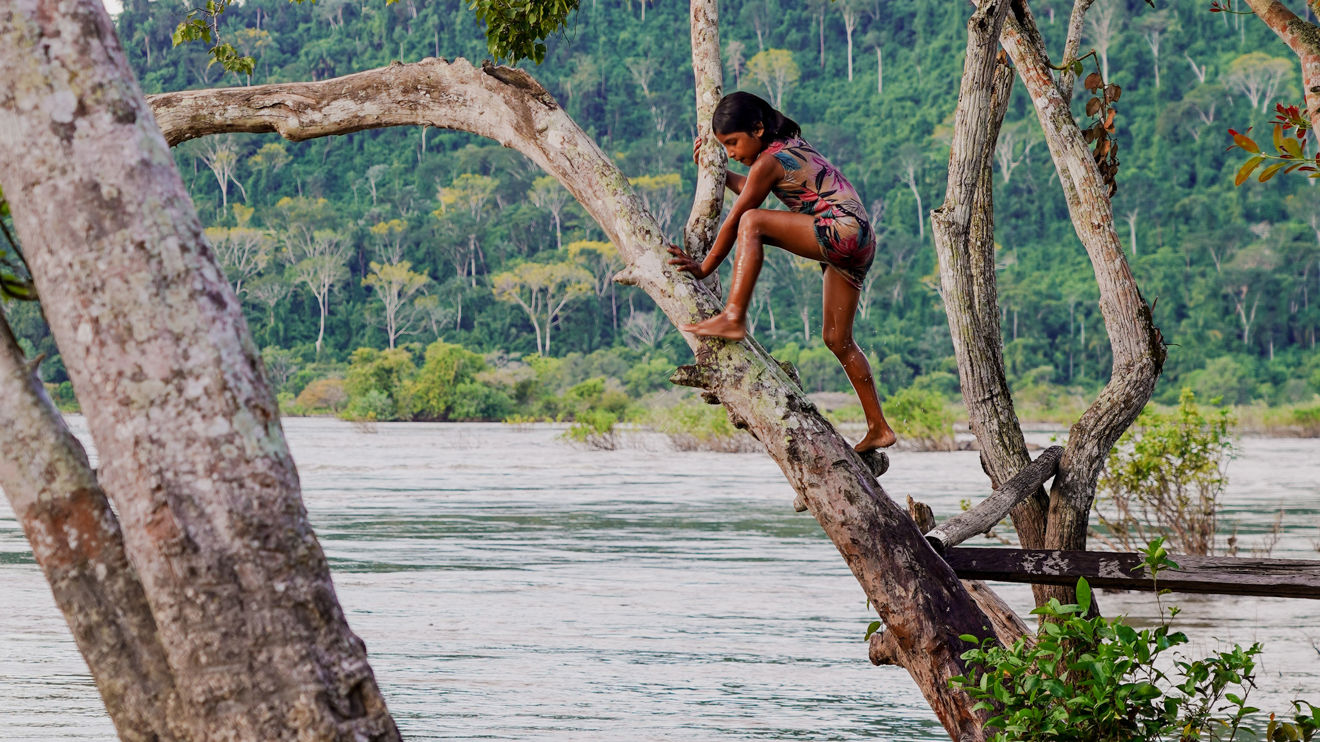
Reduced deforestation in Brazil is one of the world’s most important climate measures. Norway has been a key partner for Brazil in this work.
– Brazil and Indonesia have shown that it is possible to significantly reduce deforestation when there is political will and financial incentives. By paying for documented results in rainforest conservation, Norwegian aid contributes both to achieving climate targets and to preserving nature that millions of people depend on directly or indirectly, says Roset.
Read more on our topic pages: Climate, food, environment and energy
Democratic backsliding
The figures and analysis will be presented publicly at Norad’s annual “Figures that Matter” event on 5 May 2026. This year’s theme is “Aid, budget cuts and democratic backsliding”. The event brings together politicians, researchers, civil society and international partners to review official aid statistics for 2025.
The event will include discussion of how rapid and dramatic changes in the global framework for aid affect long-term efforts for development, democracy and human rights.
– We are living in a time when democratic values are under pressure, lines of conflict are becoming sharper, and international norms are being openly challenged. In such a world, aid becomes both more demanding and more necessary. Through Figures that matter, we want to contribute to an evidence-based debate on the role Norwegian aid should play in the years ahead, says Gunn Jorid Roset.
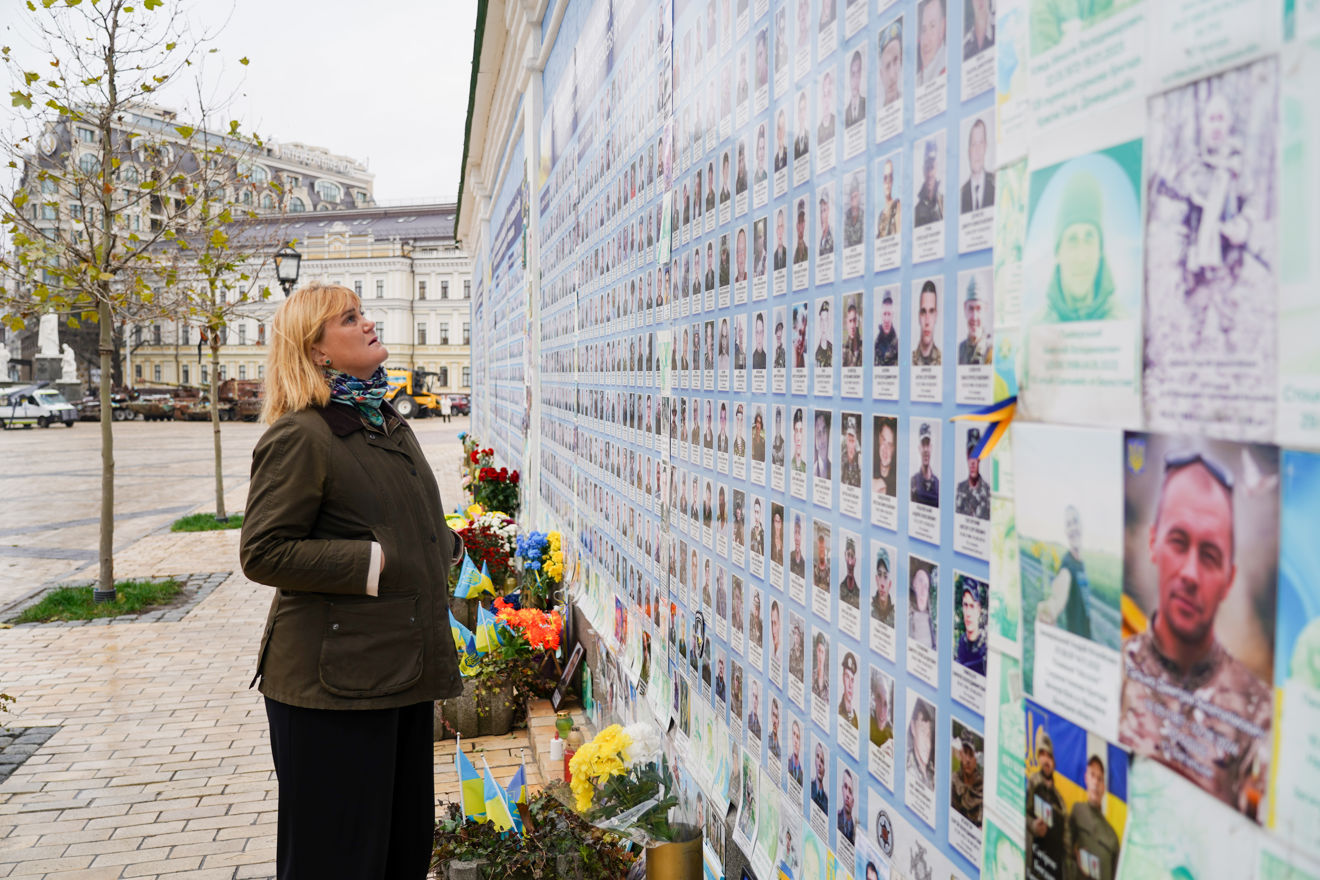
Norad Director General, Gunn Jorid Roset, visited a memorial wall for fallen Ukrainian soldiers in Kyiv.
The ten largest recipients of Norwegian aid
- Ukraine – NOK 11.7 billion
- Palestine – NOK 1.75 billion
- Brazil – NOK 1.1 billion
- South Sudan – NOK 705 million
- Ethiopia – NOK 681 million
- Sudan – NOK 608 million
- Afghanistan – NOK 600 million
- Indonesia – NOK 585 million
- Syria – NOK 531 million
- Malawi – NOK 503 million