Despite restrictions: How Afghan Women Sustain, Resist and Build Peace in Afghanistan
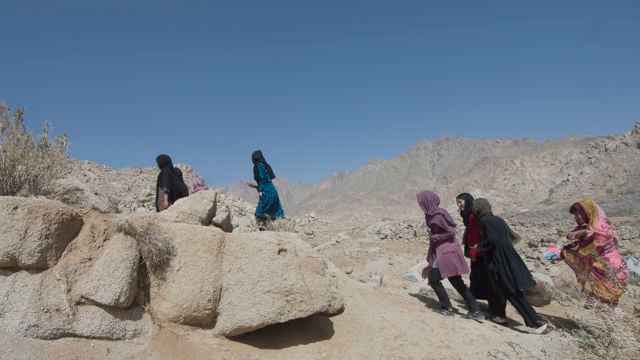
Despite severe restrictions and overlapping crises, Afghan women continue to resist, organize and sustain their communities. What does this mean for their participation in peace and security efforts, and for international aid?
Five years of Taliban rule have brought profound changes to governance, law enforcement and social regulation in Afghanistan. Women face particularly severe restrictions on their movement, clothing, work and education, limiting both their daily lives and their participation in society. Afghanistan continues to rank last among 181 countries on the Women, Peace and Security (WPS) Index.
These restrictions unfold amid overlapping crises: economic collapse, natural disasters, persistent security threats and growing humanitarian needs. Funding cuts also affect women’s rights initiatives and organizations led by women. As women are progressively pushed out of the aid sector, restrictions on aid workers are having severe consequences for women and girls and endangering the future of Afghan communities.
Yet Afghan women continue to resist, organize and contribute across sectors. Through care, informal education, income generation and emotional support, they sustain families and communities under extreme conditions.
Join us for an event exploring Afghan women’s participation in peace and security efforts, with women’s own perspectives at the centre.
The event asks two main questions:
- What can/does women’s participation in peace and security efforts in today’s Afghanistan look like from women’s own perspectives?
- Do current international aid approaches empower women under current restrictions, or do they cement their existing status?