Sudan: Looking to the future amid the crisis
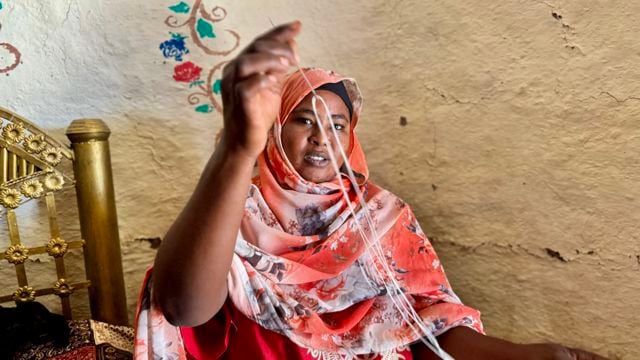
Hanaa Yousif Mohammed Abdullah has started her own business.
During a highly challenging humanitarian situation, work on long-term measures continues. For many, it is about the possibility of looking ahead, even in the middle of the crisis. The Norwegian Refugee Council is helping to ensure that Hanaa and other women can gain greater control over their own lives.
The world’s largest humanitarian crisis is unfolding in Sudan as the war enters its fourth year. Nearly 34 million people need humanitarian assistance. But the response is not only about emergency relief. It is also about helping people earn an income and build the financial resilience they need to manage everyday life.
– It feels good to be able to produce something and earn my own money from it. Then one day I can buy what I want without having to say, ‘Give me money, I want to do this and that, says Hanaa Yousif Mohammed Abdullah.
She is from Gedaref in south-east Sudan. The city has around 400,000 inhabitants and is traditionally a trading city, particularly known for its sesame seed auctions, and has the largest grain market in the country.
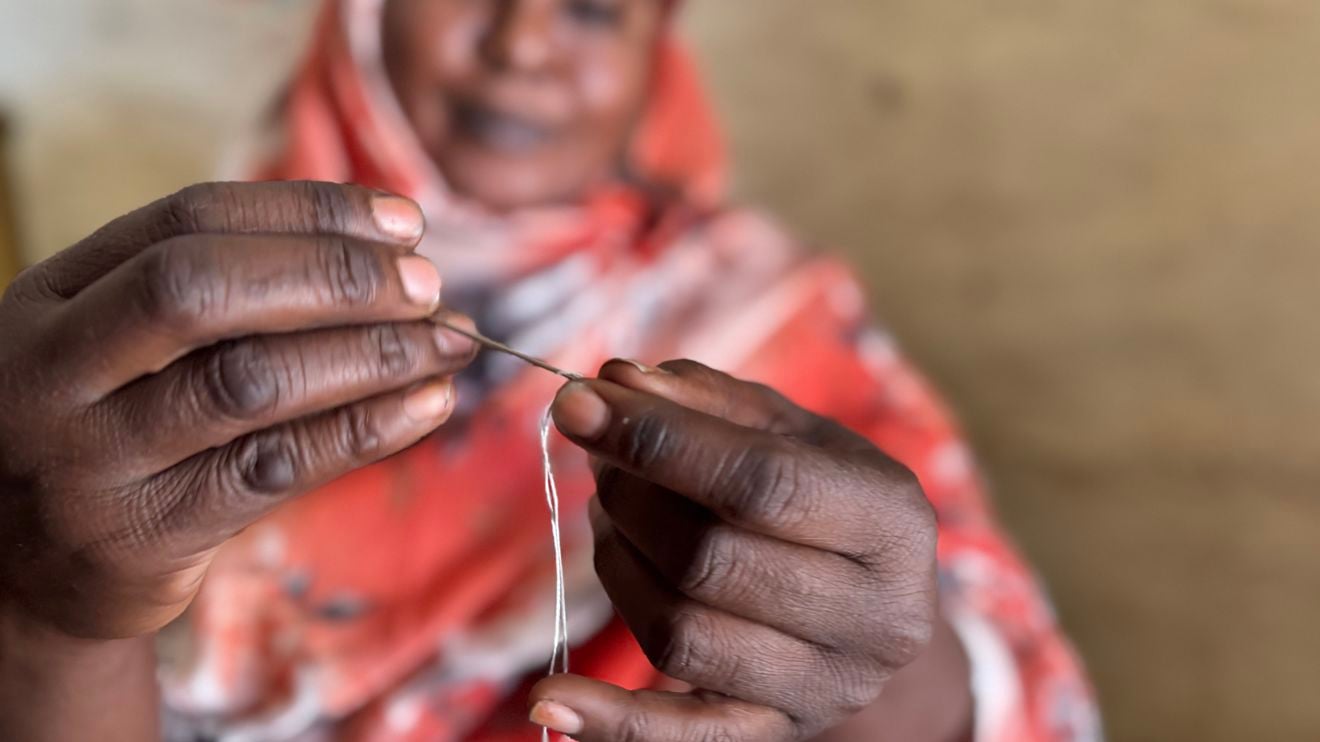
og denne. Hanaa Yousif Mohammed Abdullah har fått opplæring i lærhandverk Hanaa Yousif Mohammed Abdullah has received training in leathercraft.
– When you have your own income, you gain the freedom to decide over your own life – what you want to buy, what you want to prioritise, and how the money should be spent, says Hanaa.
Hanaa trained as a biologist, but for several years she moved between unstable jobs, with little progress in her career. Through training in leathercraft, supported by the Intiji Litnahdi initiative, she was given a fresh start. She is now building a small home-based business - and has gained not only an income, but also confidence and renewed hope for the future.
– What matters most to me is recovering the capital I have invested, and in addition making a small profit. The value of leatherwork lies not only in the money, but in the fact that I have made something with my own hands. I dream of producing on a large scale, together with a team that can work with me. Then we can reach a larger market, earn a higher income, and continue to develop our business.
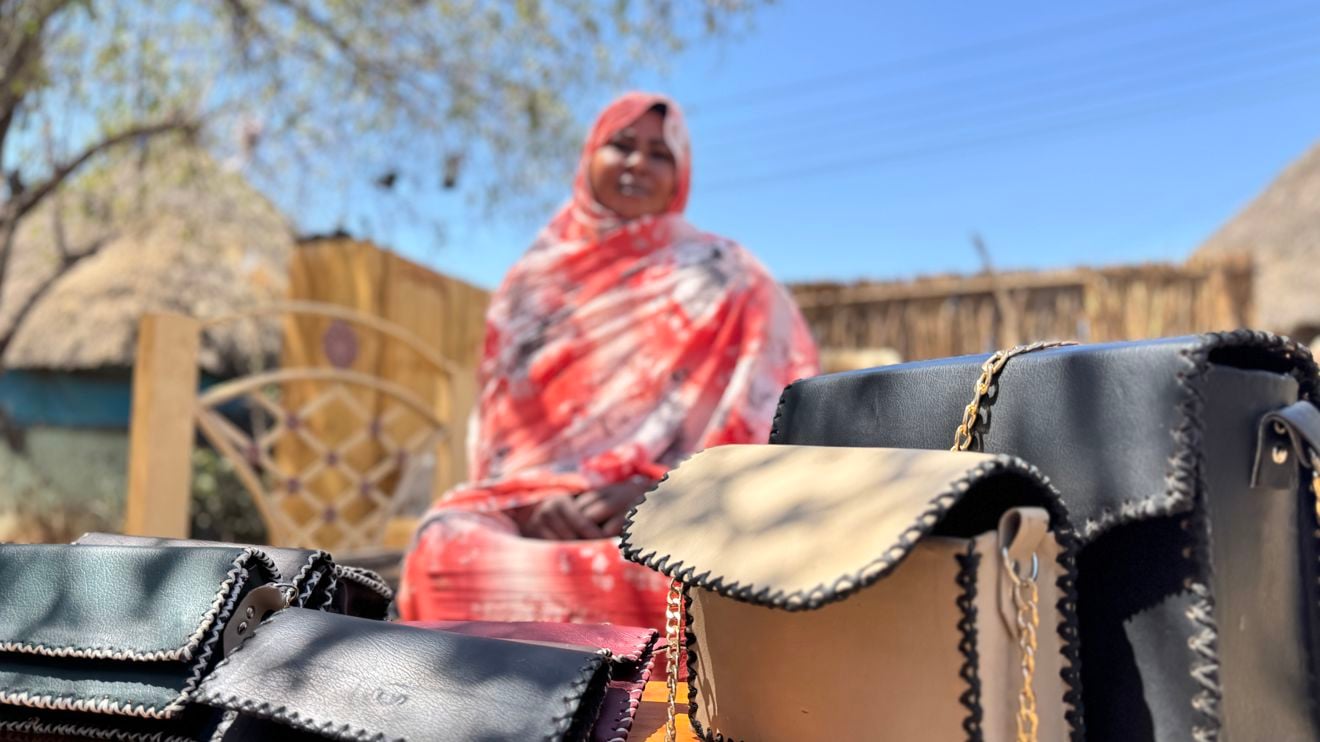
Hanaa sells leather bags.
The project Hanaa is part of is run by the Norwegian Refugee Council with Norwegian support. Seventy small businesses and start-ups have received assistance through cash grants awarded on the basis of jointly developed business plans.
– I encourage all women: everyone should have something they do with their hands. It is not difficult to learn this kind of work, and it is much better than sitting without work or just walking around gossiping. This way we can make better use of our time.
The Norwegian Refugee Council supported groups of displaced young people through small cash grants of up to USD 5,000, combined with structured mentoring. The mentoring focused on employability skills, leadership, goal-setting and social protection. Selected groups also received support for technical and vocational education and training.
The support also enabled women in hard-to-reach areas to start small businesses and generate their own income. The mentoring further strengthened youth networks by establishing a joint youth body that reports directly to the Ministry of Youth.
More than 9 million people in Sudan are internally displaced. War and conflict, and the lack of almost everything, make life extremely challenging.
Education for displaced children
The education programme in Goz Al Salam camp in White Nile is aimed at school-age children, primarily girls and boys between the ages of 6 and 14. Many of the children have experienced conflict and displacement, and several show clear signs of psychosocial distress. Conditions in the camp are challenging. There is a lack of adequate learning spaces, facilities are overcrowded - and the children have experienced long interruptions to their schooling over the past three years.
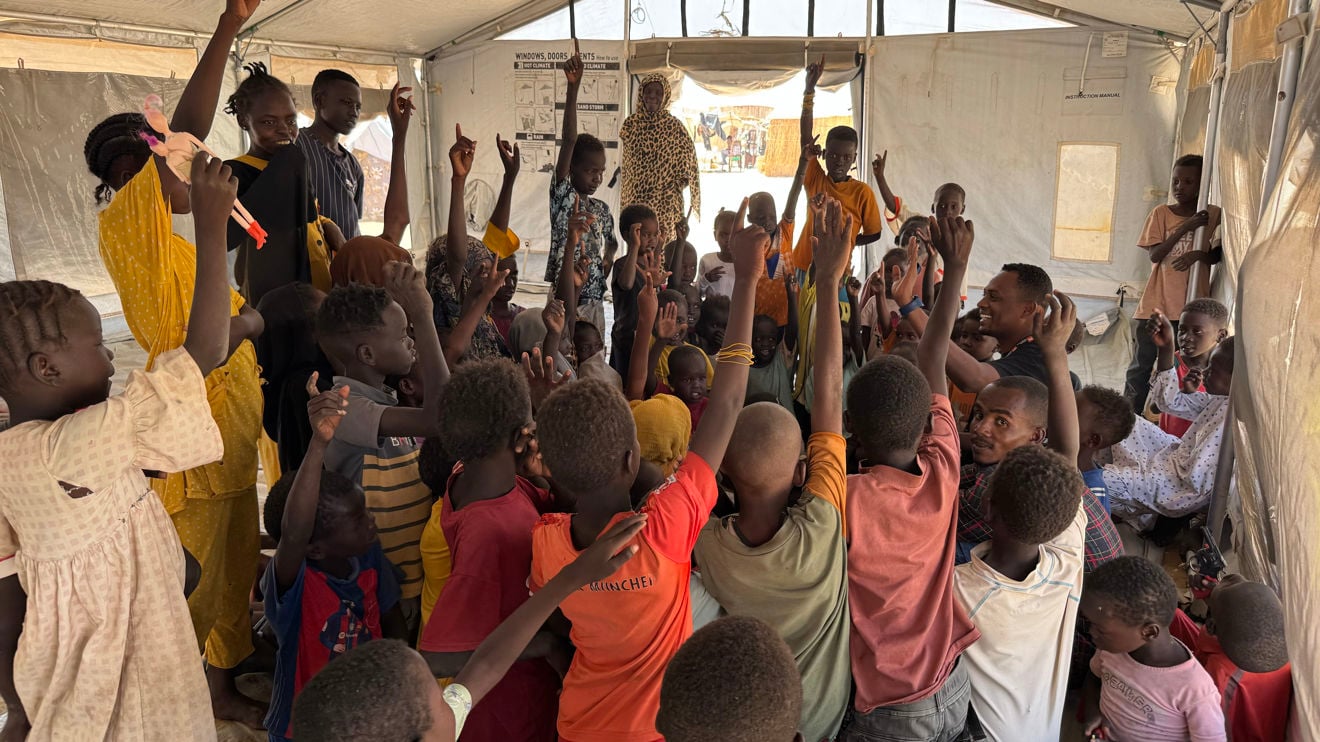
Many of the children in the Goz Al Salam camp have experienced conflict and displacement.
The programme aims to provide children with access to learning by establishing safe learning spaces within their communities. These spaces offer structure, protection and routine, alongside basic psychosocial support and referral to additional services when needed. This approach is closely aligned with broader humanitarian priorities, in which safe learning environments and psychosocial support for children affected by conflict are central.
The education programme is important because it is about more than learning. It also gives children a greater sense of safety and stability in their daily lives. They regain routines and support at a time when conflict and displacement have caused major interruptions to their schooling.
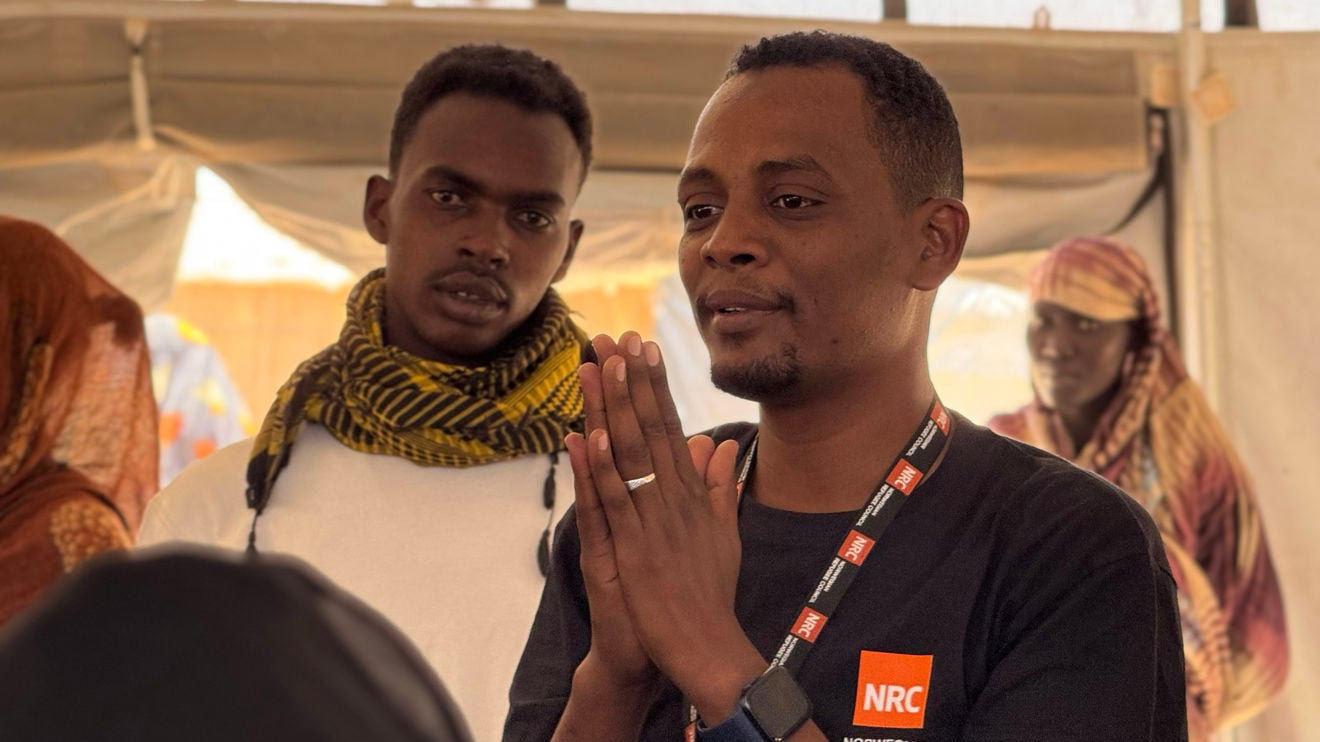
The Norwegian Refugee Council is present in Goz Al Salam.
People continue to arrive in Kosti and Goz Al Salam. According to monitoring by the Norwegian Refugee Council, the population of Goz Al Salam has increased by more than 3,000 people since the beginning of March 2026, bringing the total population to around 30,000. Updated figures from OCHA and other actors are still pending.
The situation remains extremely challenging, and needs are immense. Space in the camp is limited, and there are still shortages of shelter, food and other essential items. Water, sanitation and hygiene services are also under severe strain and are unable to keep pace with the growing number of new arrivals. This places additional pressure on the already limited facilities available.
Norwegian support
Norway is a major bilateral donor to Sudan and has more than doubled its humanitarian and long-term support since the outbreak of war.
In 2026, Norway has allocated NOK 470 million to humanitarian and long-term assistance to Sudan. The support goes to emergency relief, protection and food, mainly through the UN, the Red Cross, Norwegian organisations and local partners, and to long-term efforts for peace and democracy, women’s rights, food security and livelihoods. Norway also contributes to Sudan’s neighbouring countries, which have been heavily affected by the war.