Trans people are losing access to life-saving healthcare
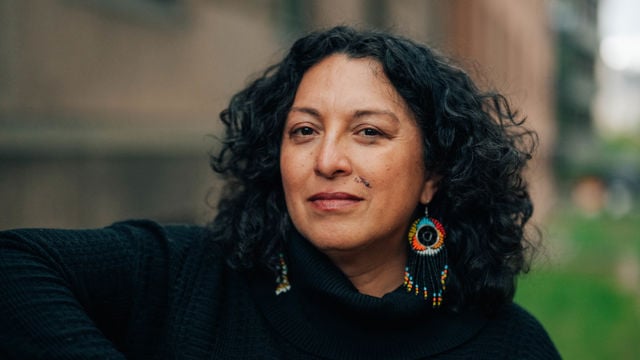
Erika Castellanos is the head of the organization GATE, which works for the rights of transgender people. The organization receives support from Norway through the Robert Carr Fund (RCF).
Global aid cuts are threatening health services and legal protection for trans people in several parts of the world. Norway is maintaining its support. That is helping to save lives.
– I could have ended up in prison for being myself
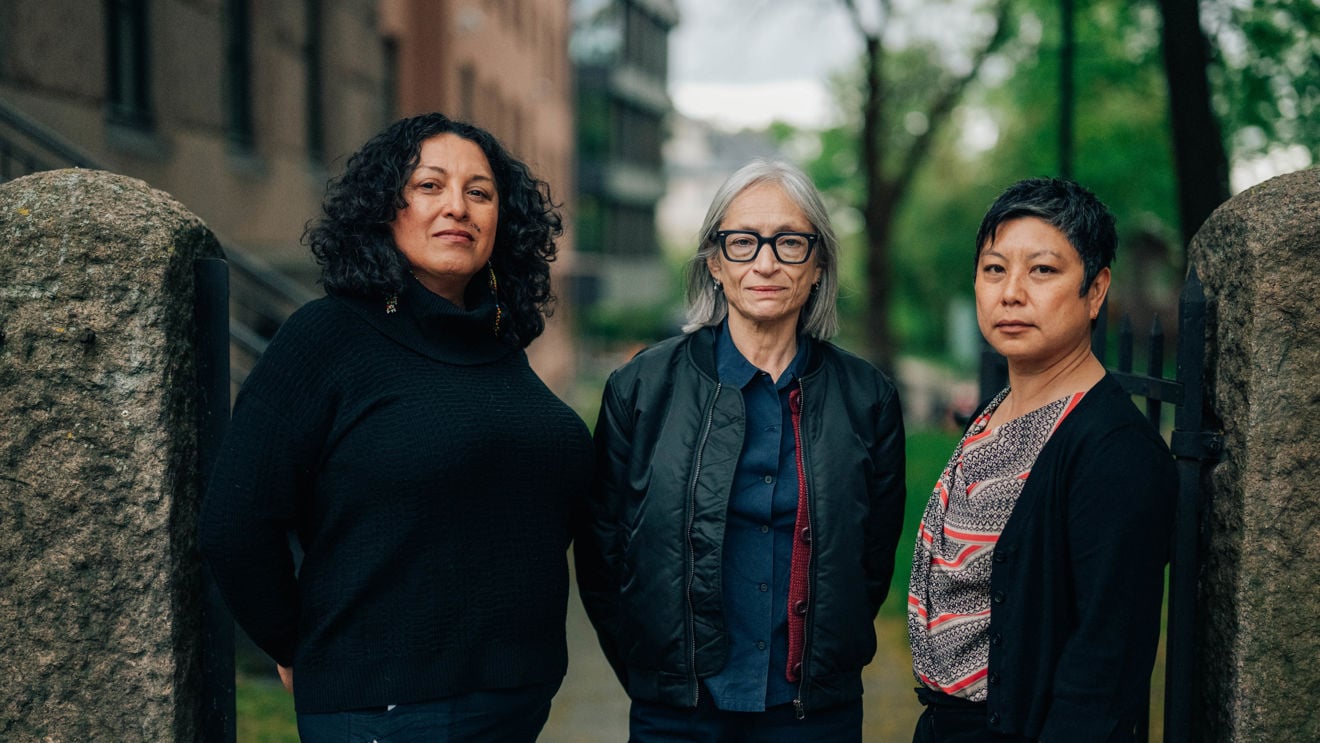
From left: Erika Castellanos (GATE), Kate Thomson (RCF), and Felicia Wong, Director (RCF).
– I was born in a country where being trans could land you in prison for 10 years, says Erika Castellanos. She is a trans woman, HIV activist and head of the organisation GATE, which works for the rights of trans people.
She grew up in Belize and lacked the language to express who she is.
– I didn’t know what it meant to be trans, I just felt different. But I understood that it was not seen as something good, says Castellanos.
She had to flee in order to be herself.
– Today I live in the Netherlands and no longer live in fear. But many of my trans siblings around the world still do. They are the ones I am fighting for.
Norway supports that effort.
Norway stands firm
In many countries, LGBT+ people face discrimination, violence and exclusion, and unfortunately global developments are moving in the wrong direction.
– We are concerned to see reactionary forces gaining ground, while the struggle for both women’s rights and queer rights is losing ground. At the same time, many countries are cutting aid in this area, which makes it even more important that Norway stands firm, says Norad Director General Gunn Jorid Roset.
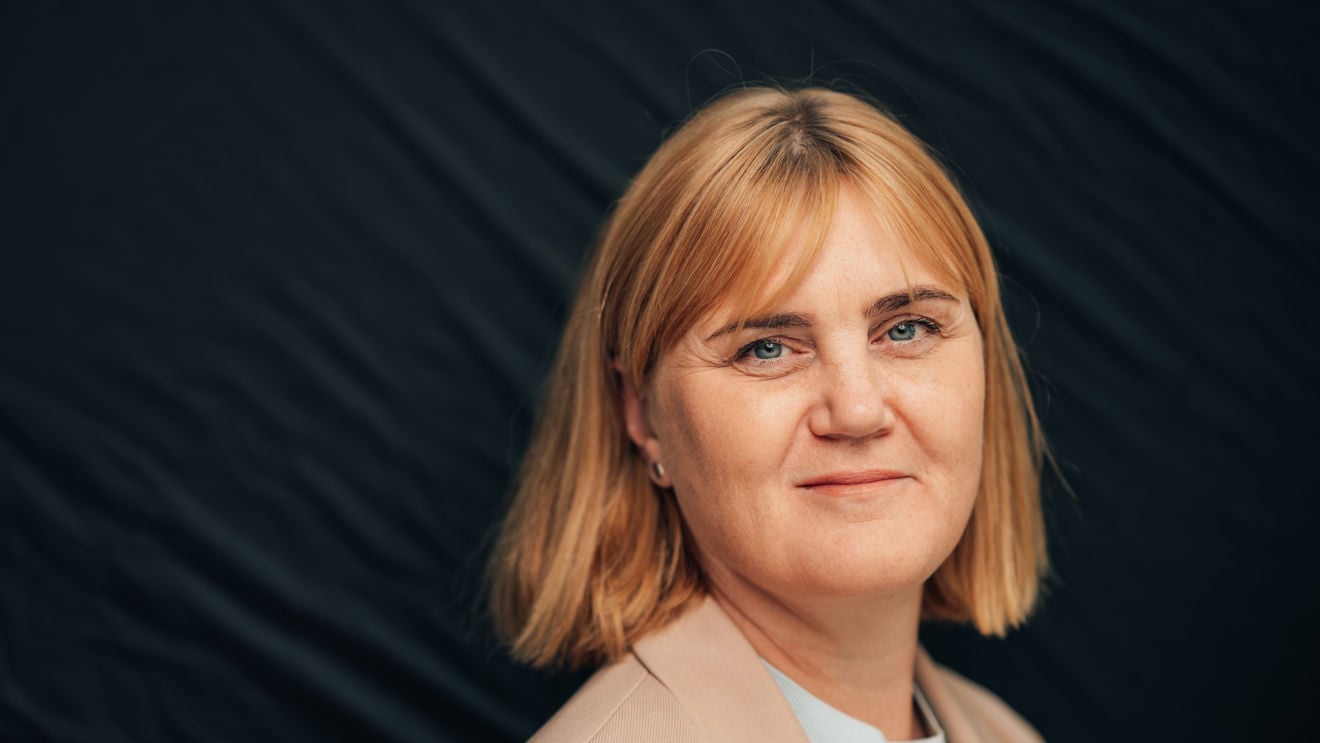
Norad Director General Gunn Jorid Roset.
Support for human rights, gender equality and queer rights is therefore a priority part of Norwegian aid. Norad provides support to civil society, human rights defenders and international organisations working to protect, include and advance queer rights. This includes trans people, who are often particularly exposed to violence, criminalisation, lack of legal recognition and barriers in their dealings with the healthcare system, the labour market and the education sector.
Long-term and flexible support
The Robert Carr Fund (RCF) and the GATE programme are examples of how Norway supports the health and rights of inadequately served populations. RCF provides long-term, flexible funding directly to networks led by the people they represent, including LGBT+ people, sex workers and people who use drugs.
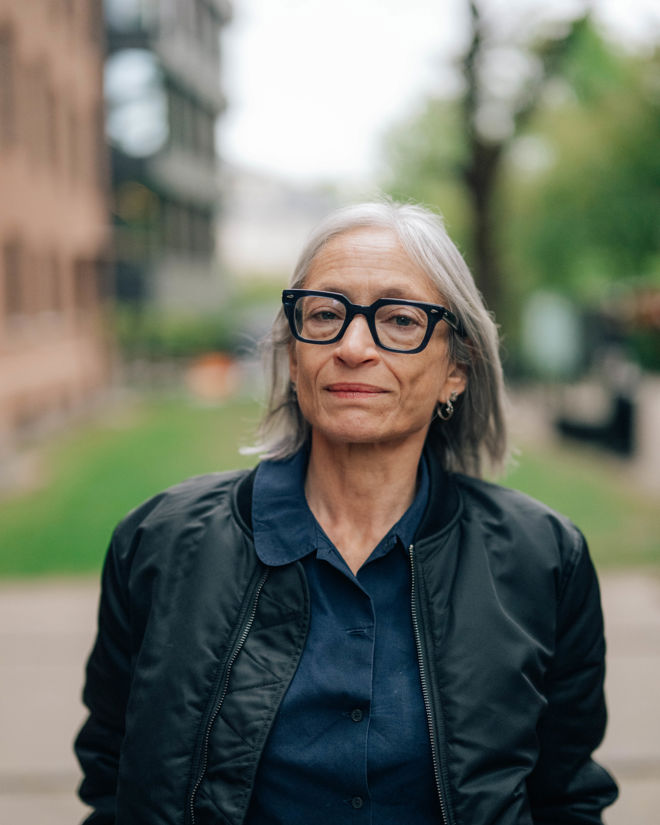
Kate Thomson is Vice-Chair at The Robert Carr Fund. She has worked in global health for nearly 40 years.
– This is not a partnership where donors say, «Do this with this money.» It is a conversation where we ask, «What do you need, and how do we best do this together?» says Kate Thomson, Vice-Chair at The Robert Carr Fund.
Norway will contribute NOK 50 million between 2025 and 2027.
– Knowing that there are still countries that stand up for these values, no matter how challenging the situation becomes, means a great deal to local communities. The adversity we have faced has also brought us together and strengthened our resolve, says Felicia Wong, Director of RCF.
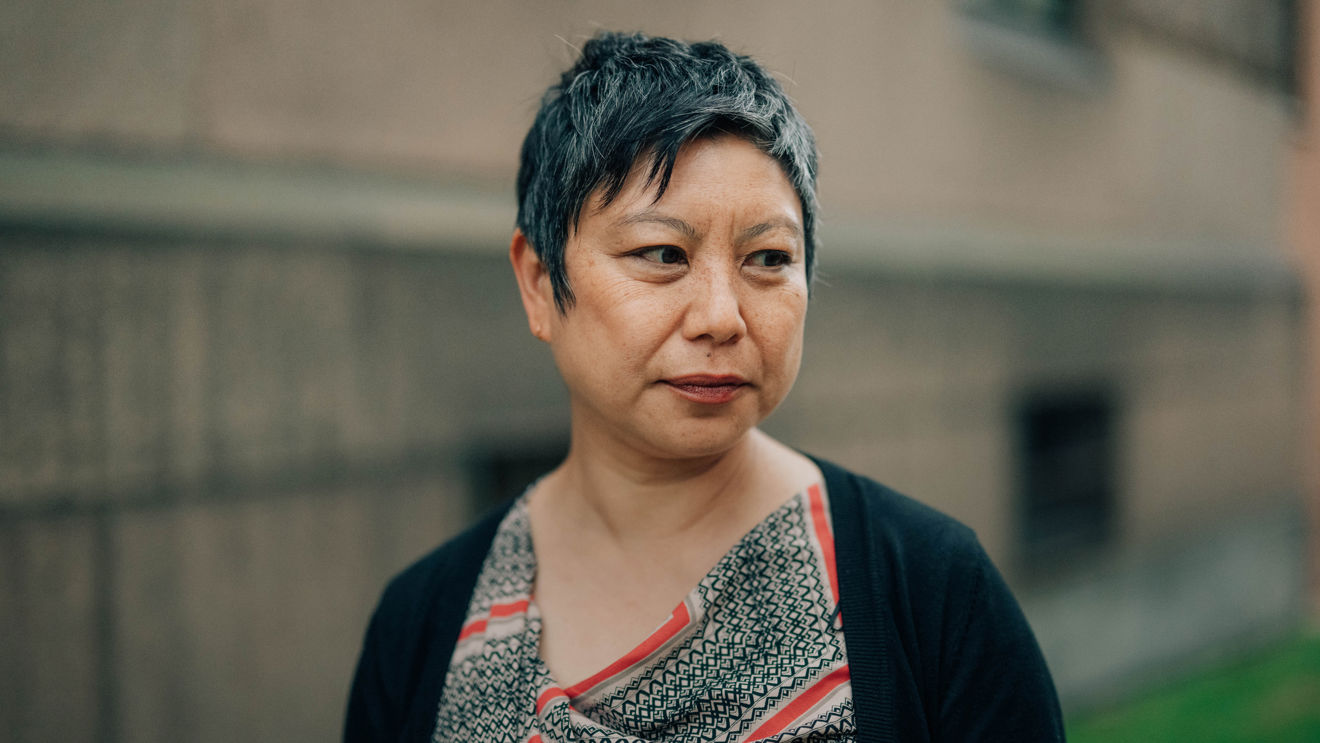
Felicia Wong is the director of RCF. She has over 20 years of experience in policy development, advocacy, program development, fundraising, and leadership, with a particular focus on HIV and sexual and reproductive health and rights (SRHR).
Norway’s support to the Robert Carr Fund contributes to:
- Safer and more inclusive HIV and SRHR services
- Improved access to HIV prevention and treatment
- Support for trans-led organisations
- Stronger advocacy and greater influence on policy and rights issues
- Better documentation of violence, abuse and discrimination
Not giving up the fight
Pride year 2026 comes at a time when the world is marked by unrest, division and democratic backsliding. In many countries, fundamental human rights are under threat, and struggles we thought had been won must now be fought again. This also applies to the fight for LGBT+ rights.
– As we look at history, societies have never developed in a straight line. Periods of progress are often followed by setbacks, before development moves forward again. We are now in such a phase of regression, says Erika Castellanos from the GATE programme.
But she refuses to give up.
– I wish more people would stop thinking of us as trans people and instead think of us as human beings. But young people give me hope for the future. Young people are often more open, have more empathy and care about others.
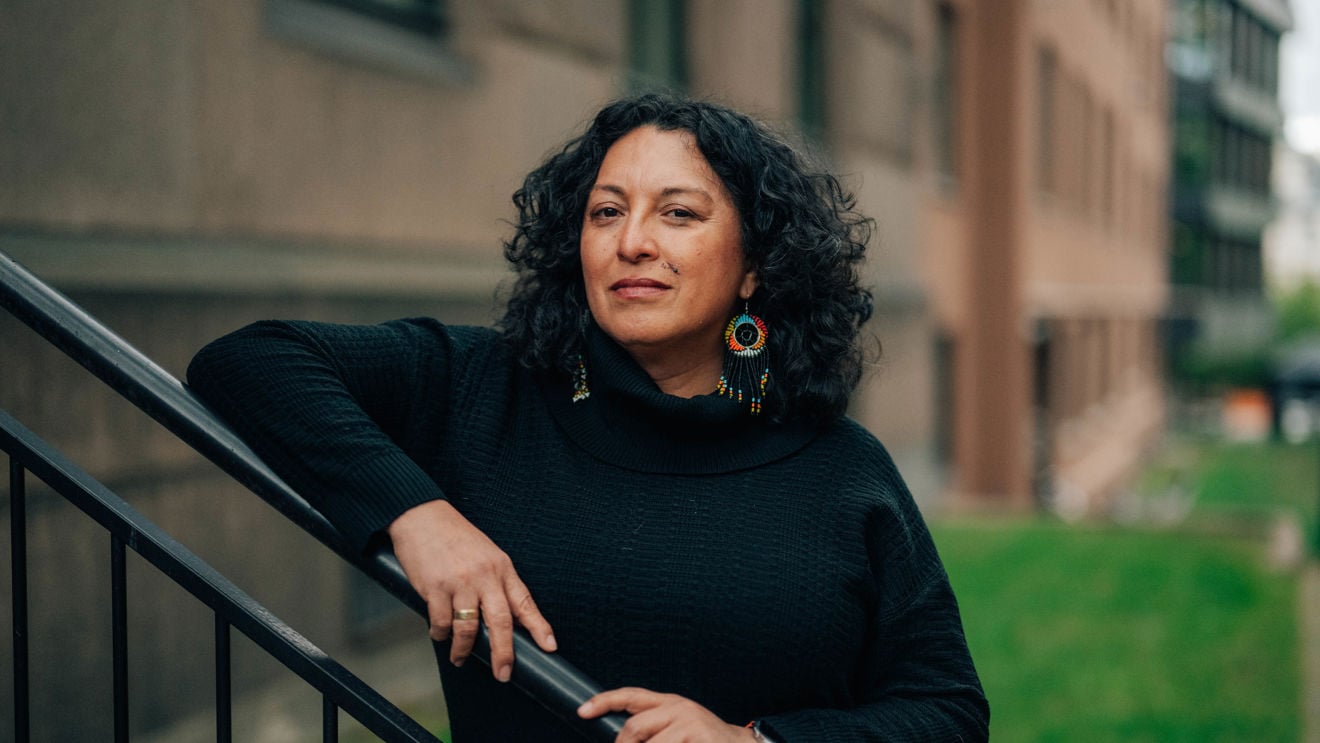
Young people give Erika hope for the future.