They support each other in the fight against corruption
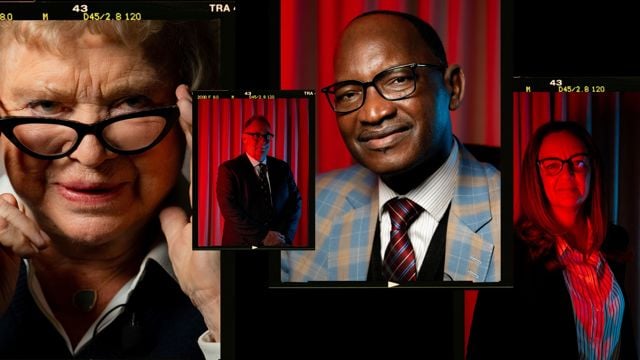
Corruption hunters: From left: Eva Joly, Billy Downer, Paulus Noa and Greisa Barrientos.
«Why shouldn’t we have our own global network when the criminals have theirs?», said Eva Joly when she launched the international Corruption Hunter Network in 2005 – a network led and supported by Norad.
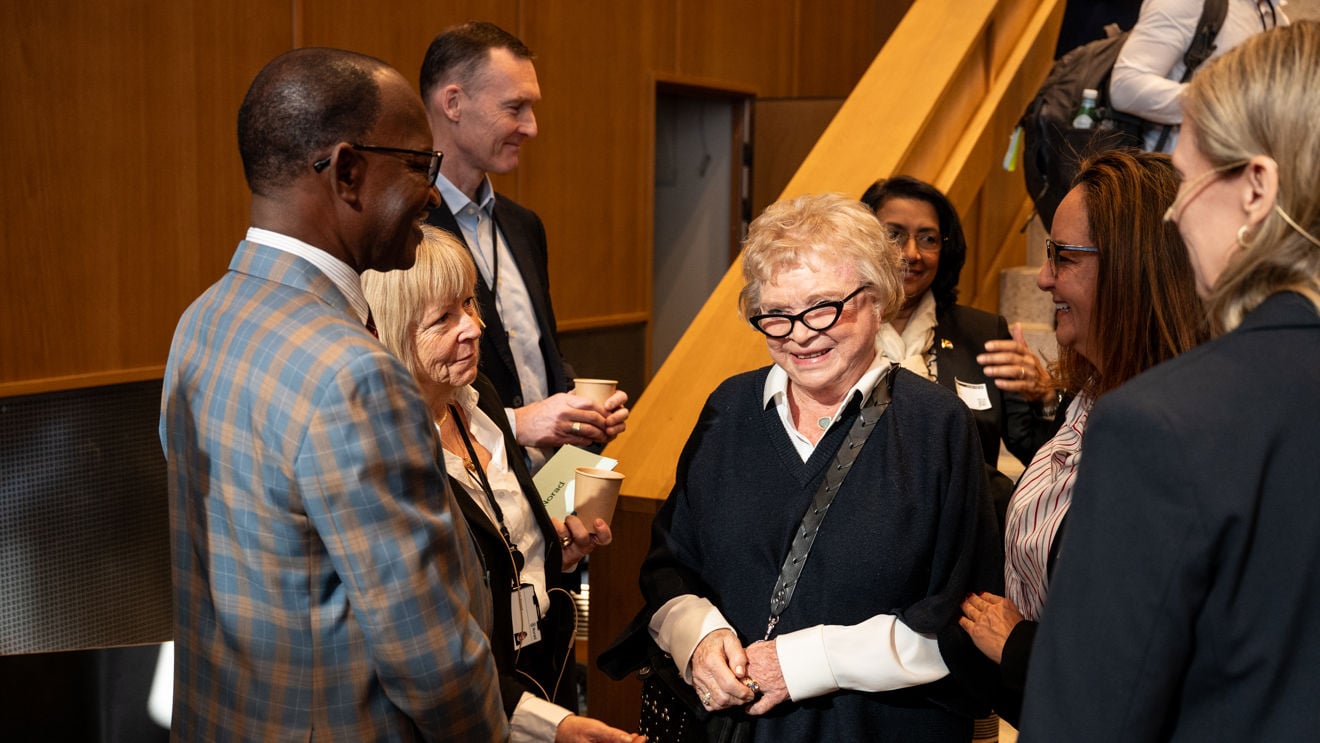
Eva Joly is regarded as one of Europe’s leading authorities in the fight against corruption. She has devoted much of her life as a judge and activist to combating corruption and was the driving force behind the network.
The network’s approximately 20 members are leading investigators, prosecutors and anti-corruption authorities from around the world. They have exposed corrupt heads of state and major international corporations, helping to recover billions of kroner for the public good. The members recently met in Oslo.
– Corruption hits the most vulnerable the hardest. It is society’s shared resources that are being looted. In many countries, corruption means children do not get schoolbooks, hospitals run out of medicines, and people lose trust in the authorities. That is why this fight feels so important, says Joly.
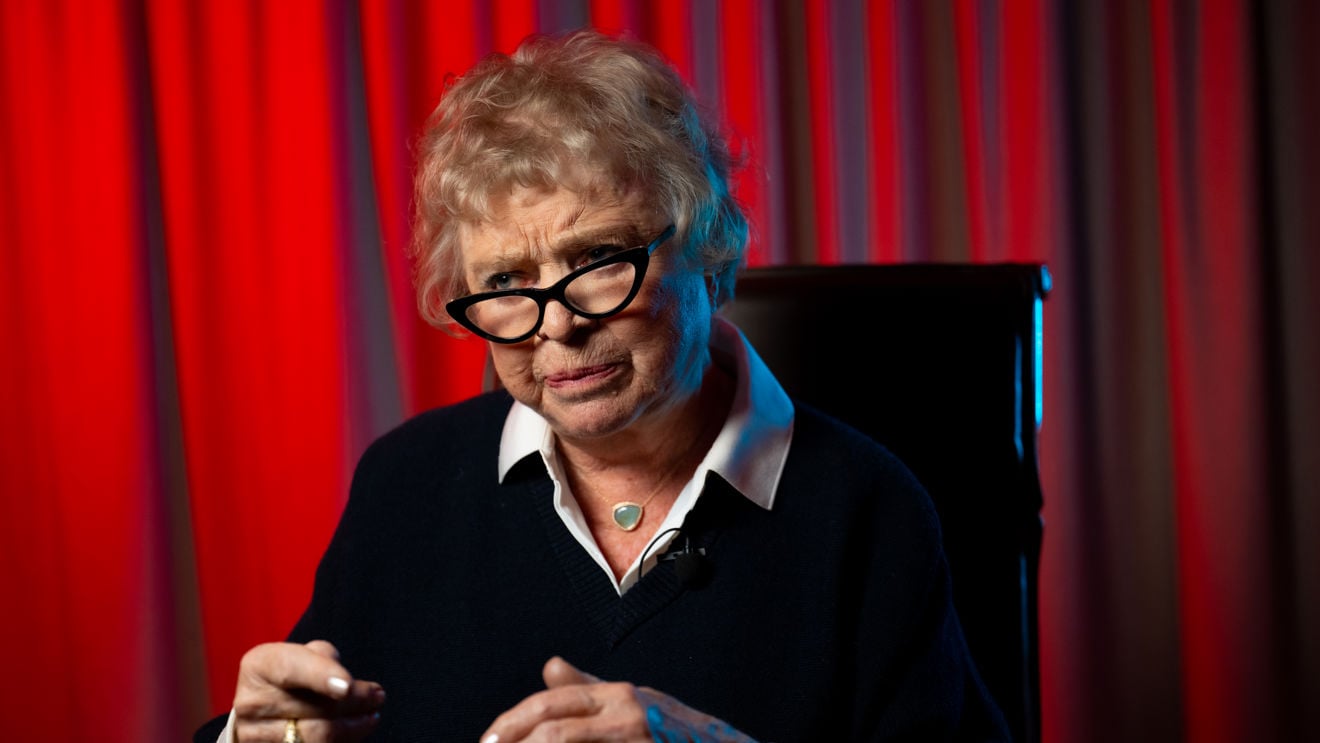
The Corruption Hunter Network was established in 2005 by former Minister of International Development Hilde Frafjord Johnson and Special Adviser Eva Joly.
Eva Joly became world-famous when, as an investigating magistrate in Paris, she led the revelations in the Elf scandal, one of the biggest corruption scandals of the 1990s. She went straight after senior politicians and business elites at Elf Aquitaine, and secured convictions against more than 30 people in a case involving more than 25 billion francs.
At the same time, death threats, harassment and smear campaigns became part of everyday life for the Norwegian corruption hunter.
– When you are pursuing major cases against the government in your own country, it becomes very tempting to give up because the pressure on you is enormous, she says.
With the Elf case still fresh in mind, the idea emerged of creating an international meeting place for corruption fighters. Twenty-one years later, Joly remains the driving force behind the network that she and then Minister of International Development Hilde Frafjord Johnson initiated. Norad still supports and coordinates the project.
Joly and the other members of the Corruption Hunter Network meet twice a year to exchange experience and knowledge – and to support one another, both professionally and morally, in the work they do.
Corruption concerns us all
Paulus Noa from Namibia explains why this matters so much.
– The network helps us with information and support when we investigate cases in our own countries. We discuss real corruption cases, learn from each other, and find ways to close the loopholes that make corruption possible. It is invaluable support, says the Namibian corruption hunter.
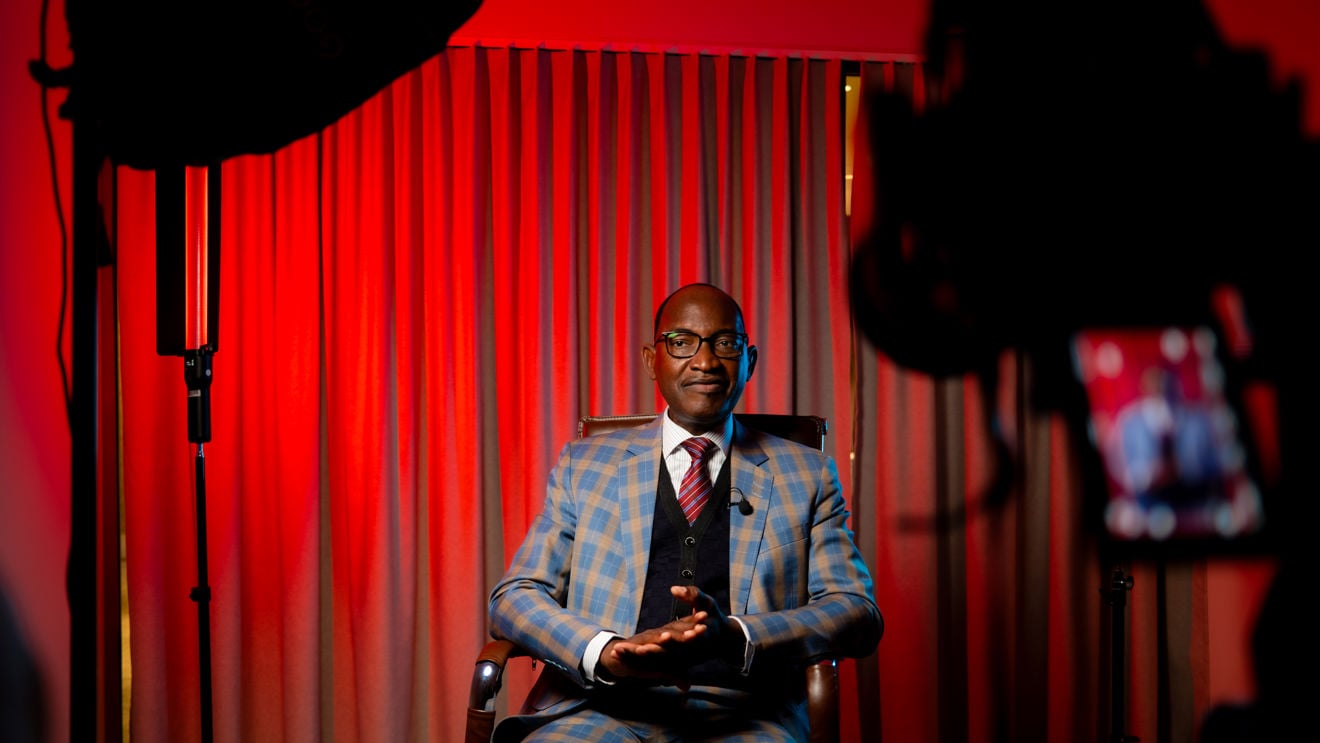
Paulus Noa is head of Namibia’s Anti-Corruption Commission.
Noa leads the anti-corruption commission in his home country. Among other things, he contributed to exposing a major corruption scandal in the fisheries sector, involving both the fisheries minister and the justice minister, with links to actors in several countries, including South Africa, Angola, Cyprus, Norway and, not least, Iceland.
– Funds that should have been used to build schools, health clinics and infrastructure instead disappeared into the pockets of individuals. Money intended to develop the country was misused by both foreign and local actors. People in Namibia are deeply disappointed and demand that those responsible are brought to justice, says Noa.
– Corruption affects and concerns all of us in one way or another. That is why the work we do in the Corruption Hunter Network is so meaningful and important, he stresses.
Driven by the desire for a better world
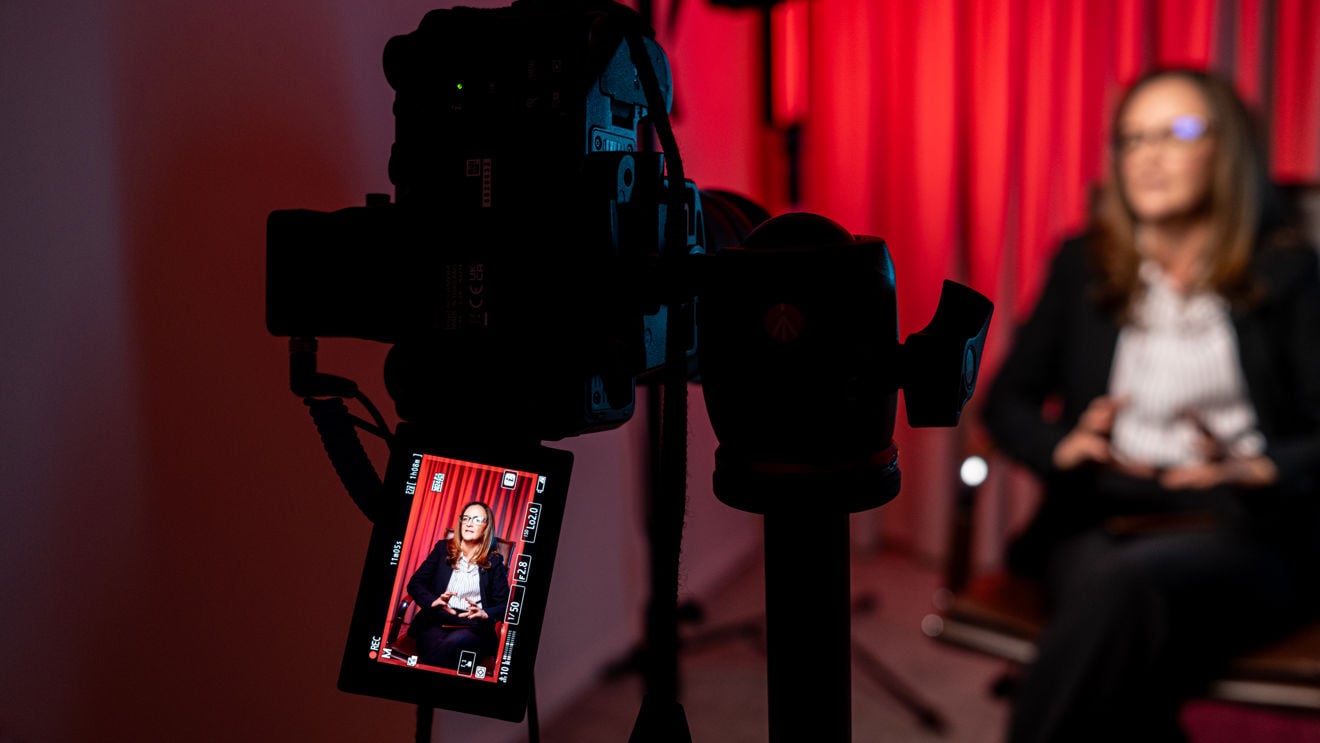
The purpose of the network is to create a forum for dialogue, cooperation, and the exchange of experience and expertise.
Members of the Corruption Hunter Network are carefully selected by Norad without any approval process involving other authorities. They are individuals with relevant experience and expertise to share with the rest of the network. And they must be completely trustworthy. They themselves must be incorruptible. What all the corruption hunters share is a burning desire to make the world fairer – often at considerable personal cost.
– When you see the consequences of corruption, you understand how important this fight is. But you often feel very alone. You are isolated because you are seen as a ‘troublemaker’. You need a network to support you, to know you are not alone and that you are fighting the right fight. The Corruption Hunter Network gives me the courage to continue, says Greysa Barrientos, a well-known corruption hunter from Costa Rica.
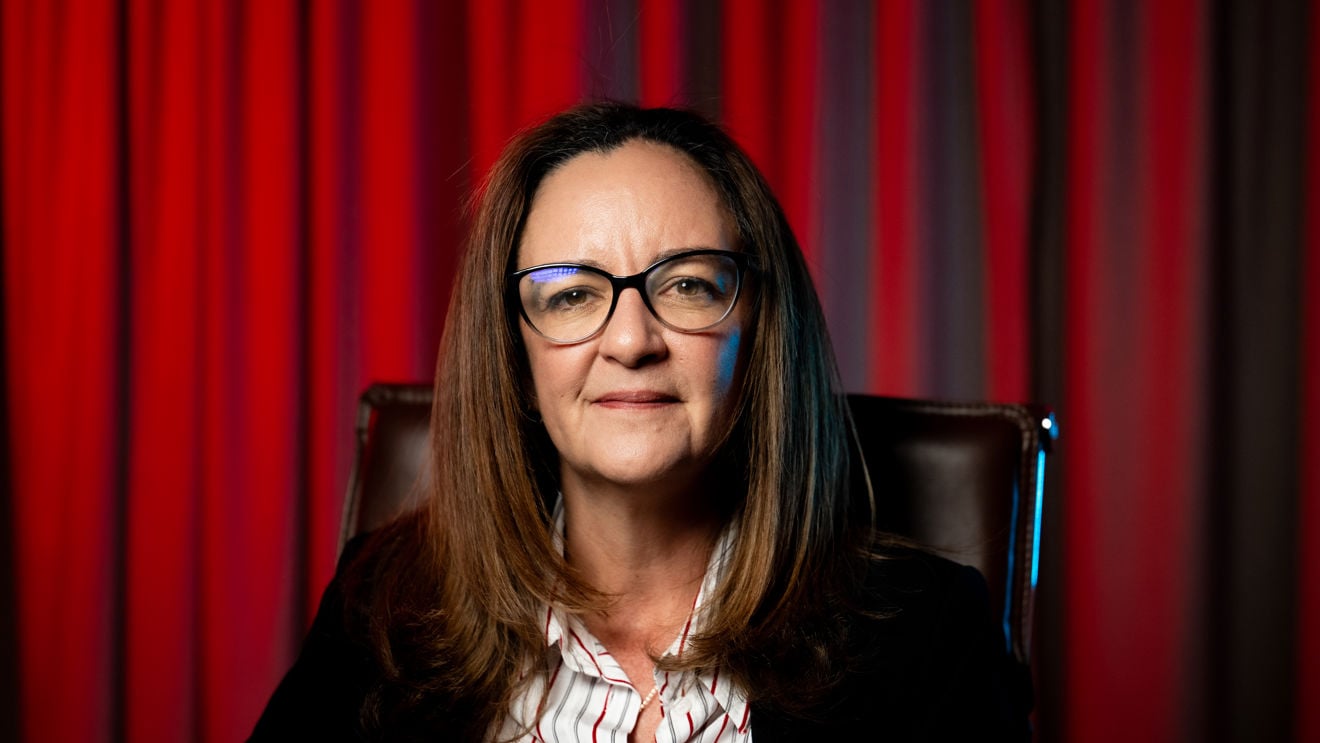
Greisa Barrientos is a public prosecutor in Costa Rica with around 28 years of experience in the prosecution service.
Barrientos has served as a public prosecutor in Costa Rica for around 28 years. She has led a long series of complex corruption cases and has been part of the international Corruption Hunter Network for seven years.
– Sometimes the accused try to attack you in the media and portray you as the villain. Even when you have all the evidence, they try to turn the case against you. It can be extremely tough, but the network gives you both professional support and reassurance – the courage to keep going, she says.
United in the fight against the beast
Billy Downer is one of the longest-serving members of the Corruption Hunter Network. He worked for South Africa’s prosecution authorities for decades and led some of the country’s most high-profile corruption cases, including the case against former president Jacob Zuma. He is now retired, but remains an important contributor to the network.
– Criminals operate in networks. They recognise no borders and cooperate across countries. To fight them, we must be just as organised, Downer emphasises.
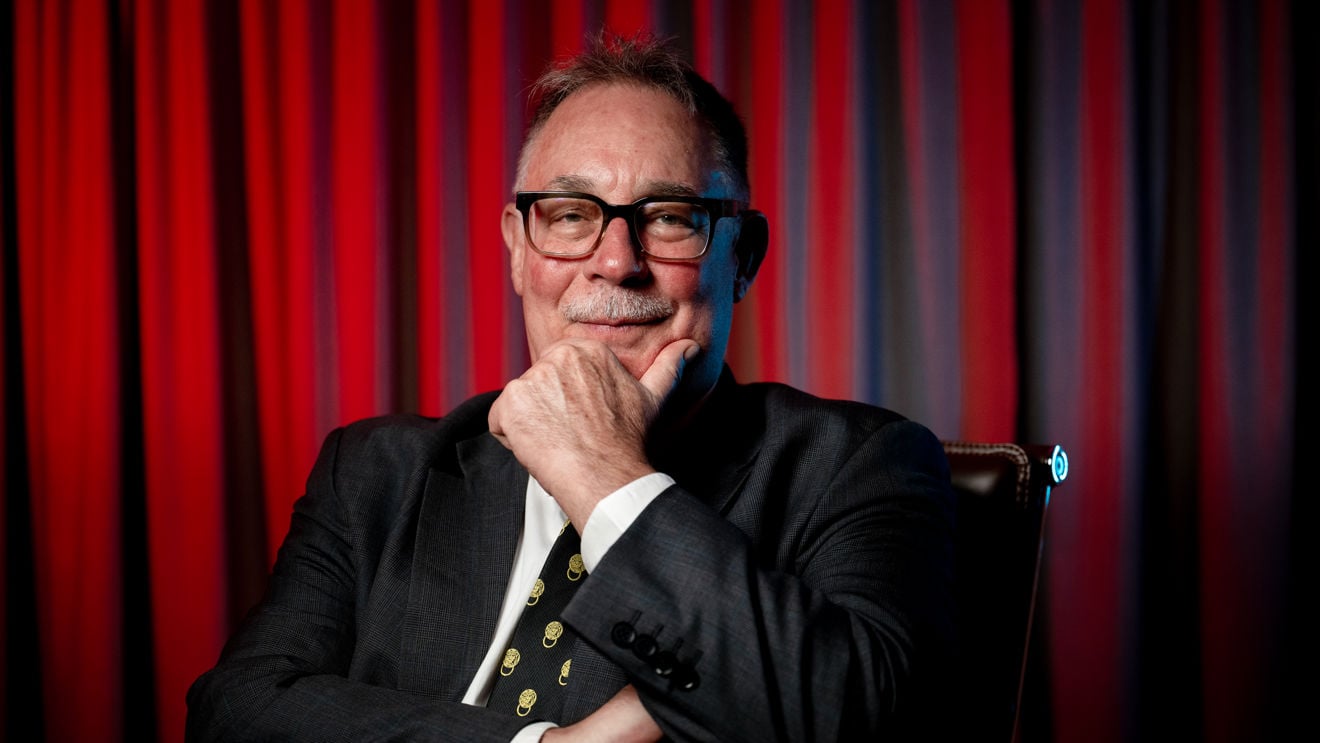
Billy Downer is a public prosecutor from South Africa.
The retired hunter compares the fight against corruption to hunting the wild buffalo.
– Corruption hunters pursue corruption around the world in the same way that hunters in the wilderness pursue the African buffalo. The buffalo is smart, resourceful and aggressive – it will kill the hunter. To tame the buffalo, we must be brave, inventive and smarter than it.
Crucial support from Norway
– Corruption is a serious threat in every part of the world, and poor people in developing countries often pay the highest price, says Stine Horn, Director of the Department for Human Development at Norad.
This is part of the reason why Norwegian aid funding is used to support the Corruption Hunter Network.
– For more than 20 years, the network’s members have held heads of state and major international corporations to account and helped recover billions of kroner for the public good. This is probably one of the most cost-effective and impactful initiatives in the entire Norwegian aid budget, Horn says.
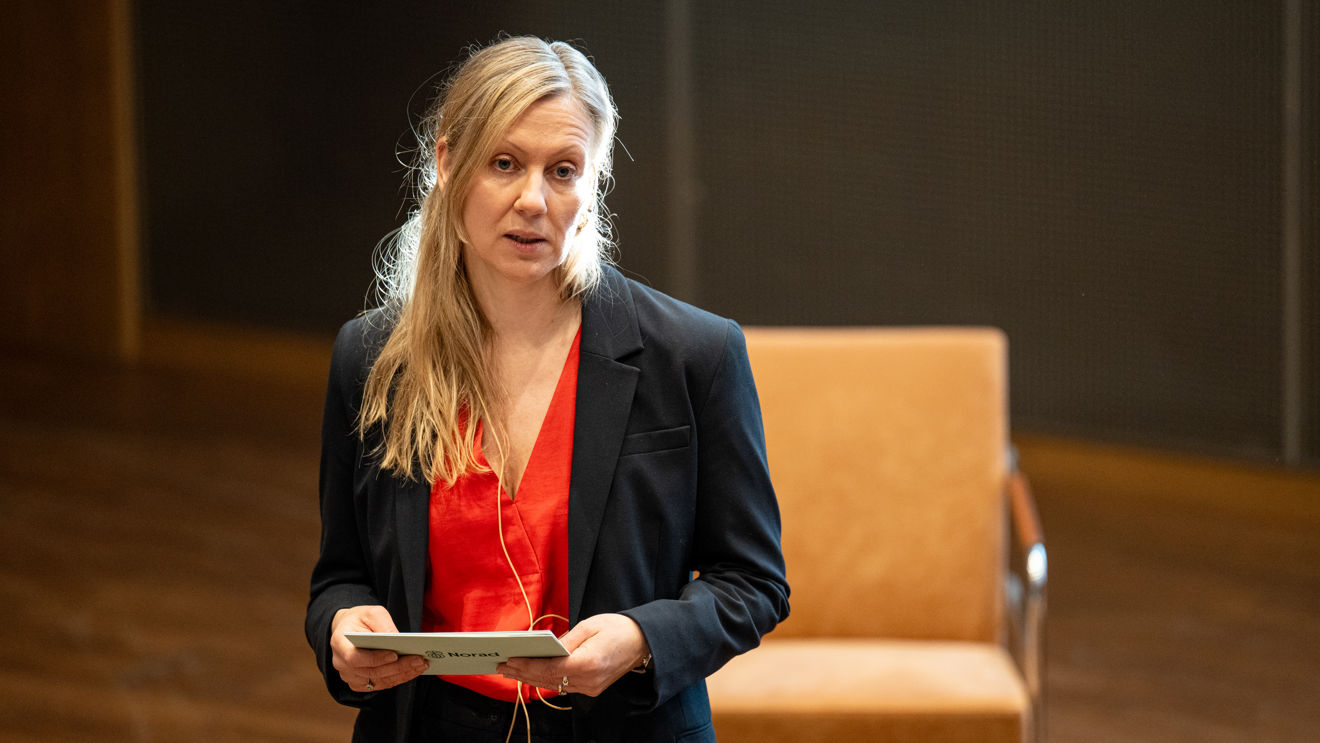
Stine Horn heads Norad’s Department for Human Developmment.
Billy Downer believes the support from Norway and Norad is absolutely essential.
– We who are members of the Corruption Hunter Network already have our hands full with our own cases at home. We do not have the time, money or capacity to run an international network. We could not do this without you, says Downer.
The network has become something of a “global backbone” in the fight against corruption – proof that international cooperation works, according to the South African.
– I was fortunate enough to be invited to the network’s second meeting in 2006. Every time I receive a new invitation, I consider it a great honour. We have become a close-knit group – and it is a tremendous source of strength to know you are not alone, he says.
– The Corruption Hunter Network gives us the courage, strength and tools to continue the fight against the beast.