The rapid deterioration of the situation has led to increasing malnutrition, and children are particularly affected.
Gunn Jorid Roset
Director General of Norad
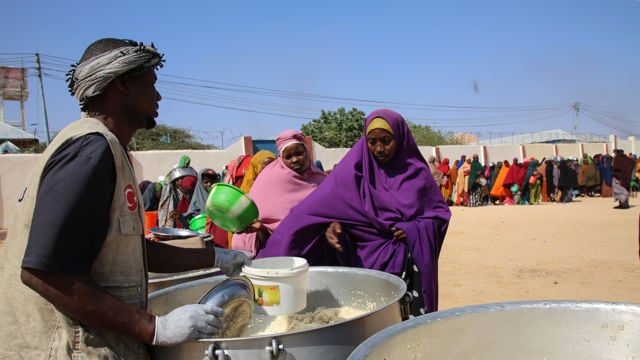
Organizations distribute meals to people in Mogadishu, Somalia, where drought and economic challenges continue to affect daily life.
People in Somalia are facing severe hunger. Drought and conflict have left millions without adequate access to food. Norway is providing NOK 15 million in emergency assistance to help prevent further deterioration of an already critical situation.
The crisis in Somalia has escalated rapidly. It is driven by lack of rainfall, conflict, rising prices and reduced levels of aid.

The rapid deterioration of the situation has led to increasing malnutrition, and children are particularly affected.
– An estimated 1.8 million children are acutely malnourished, and nearly half a million require treatment for severe acute malnutrition, says Norad Director General, Gunn Jorid Roset.
In humanitarian contexts, food insecurity is classified into different phases. The number of people now in the most severe phases has increased sharply since the turn of the year.
Around two million people are suffering from severe hunger and malnutrition, while a total of 6.5 million people are affected by acute food insecurity. This represents almost a doubling compared to the previous year.
Read also how Somalia is testing resilient seed varieties in response to drought and climate change.
While needs are extensive, the response remains significantly underfunded. As of April, only 12 per cent of urgent humanitarian needs have been financed.
Cuts to long-term food security assistance in recent years have also contributed to increased vulnerability and reduced resilience to crises.
Drought is becoming the norm rather than the exception, and this particular drought had been forecast. However, due to declining funding, the international community has been unable to mobilise resources and act in time to prevent an acute situation.
The World Food Programme is designed to respond in such circumstances but is now forced to prioritise only immediate life-saving interventions once a crisis has fully developed.
Insufficient funding means that emergency food and nutrition assistance may be reduced or suspended in the coming months.
Rising fuel and food prices are further worsening the situation and limiting people’s ability to meet their own basic needs.
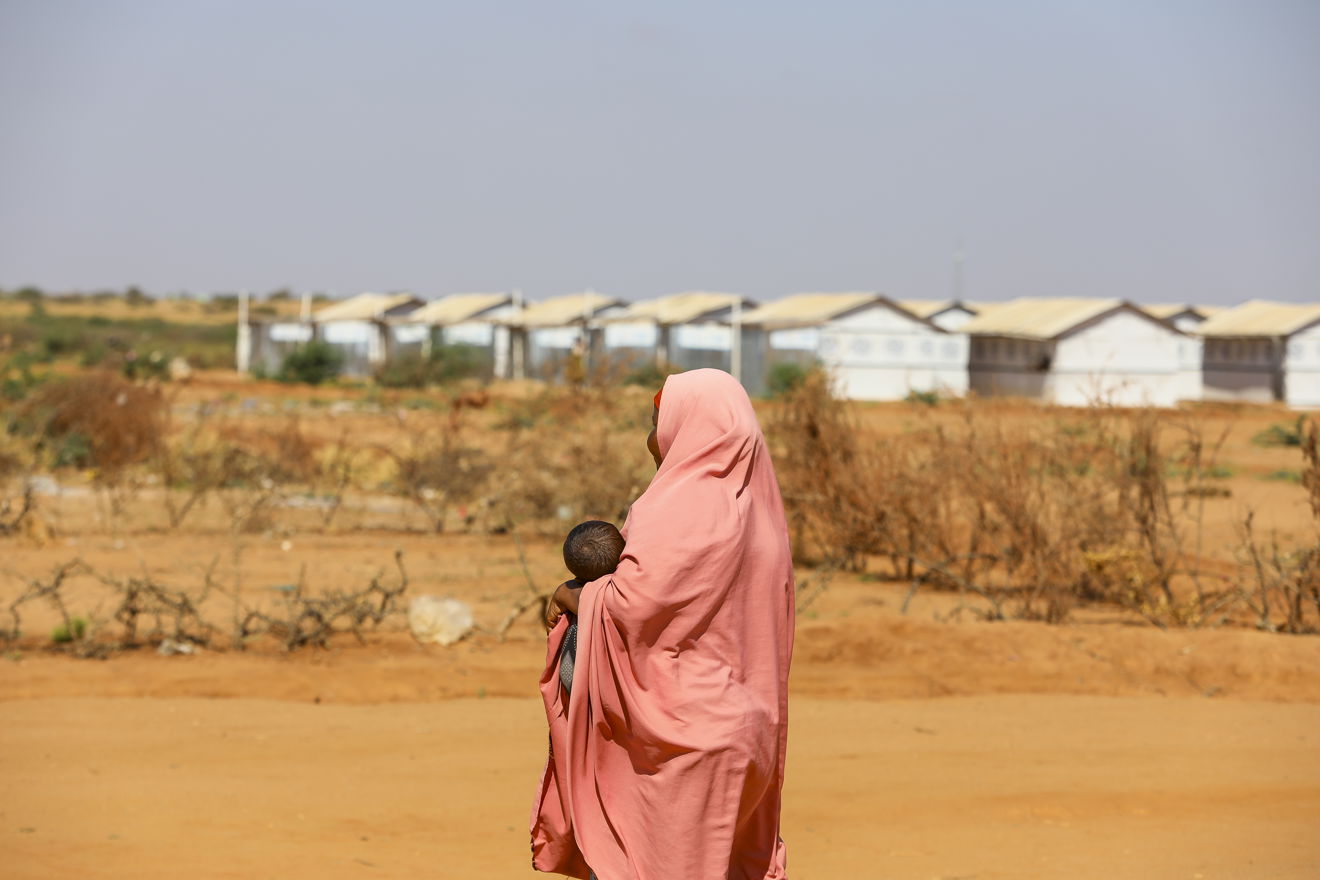
A woman displaced by climate change walks through a camp outside Dollow in late January 2024. Women are particularly affected by extreme weather and increased vulnerability.
Nowegian funding is channelled to the World Food Programme, which is the main actor providing food assistance in Somalia.
The Norwegian contribution will help reach more people with rapid and targeted assistance and prevent the situation from developing into an even more serious humanitarian crisis. The brutal increase in the number of people facing acute hunger entails a significant risk of further deterioration — with more people dying and more people being forced to flee, says Gunn Jorid Roset.
The UN World Food Programme has the capacity to scale up its efforts rapidly in the worst affected areas, but in recent years has been forced to significantly reduce the number of recipients due to funding shortfalls.
The new allocation of NOK 15 million from the humanitarian reserve is in addition to Norway’s regular humanitarian support to Somalia. In total, Norwegian humanitarian assistance to the country will amount to NOK 102 million in 2026.
Norway also supports humanitarian efforts through several partners, including Norwegian organisations and the UN system.
Read also the article on regjeringen.no: Norway provides additional 15 million kroner in emergency aid to Somalia.