Dramatic cuts in aid
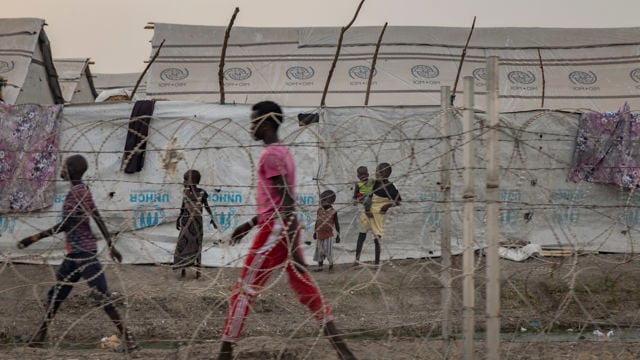
Malakal is a UN-protected area in South Sudan, established to provide civilians with safety during the conflict.
Official development assistance fell by 23.1 per cent last year, according to figures from the OECD. This means that millions of lives are being lost because people are not receiving help. Never before have aid cuts been this severe.
In total, the countries in the OECD’s Development Assistance Committee provided 174.3 billion dollars in aid last year. That is 23.1 per cent less than the year before. The statistics have never shown such dramatic figures.
– The consequences of these dramatic cuts are severe. Millions of lives are at risk because people are not receiving the assistance they need. Global needs are greater than ever, at the same time as traditional donor countries are reducing their support, says Gunn Jorid Roset, Director General of Norad.
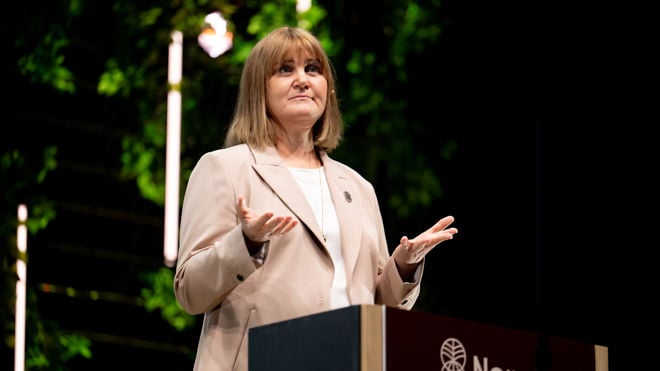
Norad director general Gunn Jorid Roset during The Norad Conference 2026.
Studies in The Lancet show that as many as 22.6 million additional deaths by 2030, and up to 2.9 million more HIV-related deaths, may occur as a result of the aid cuts.
The United States accounted for 75.1 per cent of the total decline, after reducing its aid by 56.9 per cent in 2025. This is the largest cut ever made by a single donor country in one year. For the first time, Germany became the largest donor country, providing USD 29.1 billion, followed closely by the United States with USD 29 billion.
The decline in humanitarian aid was even steeper than the overall drop, falling by 35.8 per cent to USD 15.5 billion.
Around 826 million people live in poverty, 239 million require urgent humanitarian assistance, and 295 million are facing severe food insecurity.
– An entire generation of children is being affected by these cuts. Around 520 million children, more than one in five of all children, live in or are fleeing from conflict-affected areas, and are dependent on aid for food, education and safety, says Roset.
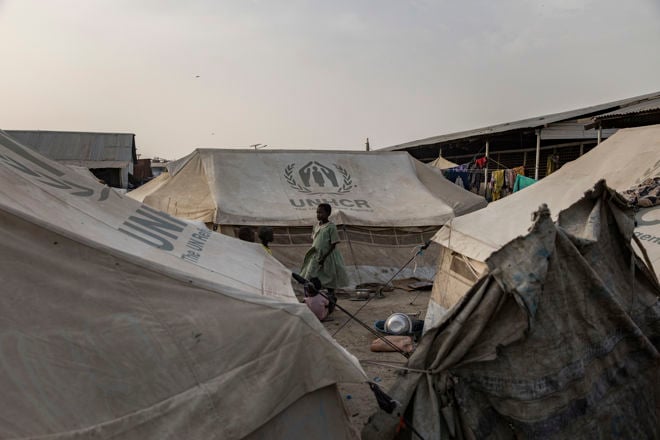
UNHCR tents stand tightly packed in a schoolyard in the Malakal area of South Sudan.
Roset warns of bleak prospects and long-term consequences:
– The war in the Middle East is weakening economies across the region, North Africa and parts of Asia, at the same time as aid is being reduced. The result is increased poverty, price and inflation shocks, and a higher risk of new crises and displacement.
The poorest households, who spend most of their income on food and fuel, are left completely without protection – and the authorities in these countries have limited fiscal space to shield them.
Norway was the only country to allocate more than one per cent of its gross national income to aid, a total of NOK 58.9 billion which is equivalent to 1.03 per cent of GNI. Alongside Norway, only Denmark, Luxembourg and Sweden met or exceeded the UN target of at least 0.7 per cent of income to aid.
– Norway is working systematically to ensure that aid is used as effectively and strategically as possible. We will also improve how we communicate the results of what these funds achieve, says Roset.
Norad will present updated figures and statistics on Norwegian aid at the event Tall som teller (Numbers that matter) on May 5th.