When we manage to act before a crisis hits, we can significantly reduce the scale of the damage and give people a better chance of getting through difficult periods.
Martin Samuelsen
Head of Section for Humanitarian Efforts at Norad
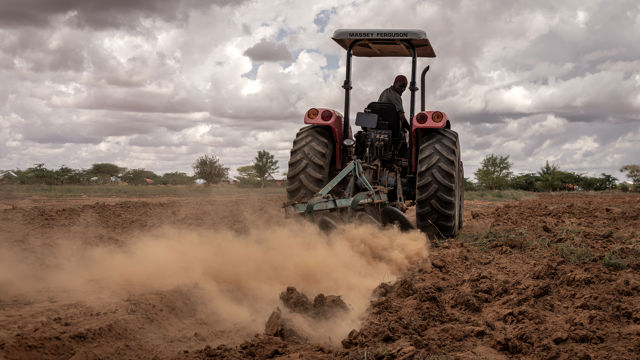
A farmer prepares to plant onions on a cooperative farm in Dollow, Somalia, April 2026. The cost of diesel to run the tractor has more than doubled.
When drought, conflict and flooding threaten food supplies in vulnerable countries, rapid action is crucial. By supporting FAO's emergency fund, SFERA, Norway is helping to protect food production, save lives and strengthen resilience. For Fardowsa in Somalia, this kind of support has made it possible to rebuild a livelihood after several years of drought.
When drought struck Somalia, Fardowsa lost much of what she relied on to support her family. As a single parent, she experienced how years of drought had gradually eroded her finances and made everyday life increasingly precarious.
– Support that arrives early can make all the difference in whether families are able to get through a crisis and rebuild their income, says Martin Samuelsen, Head of Section for Humanitarian Efforts at Norad.
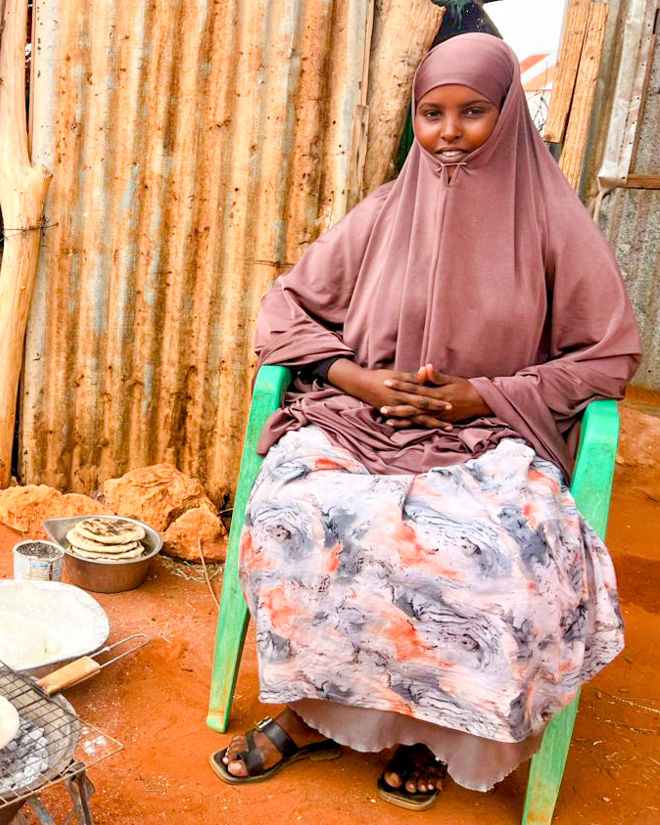
For Fardowsa, the support meant a fresh start. Through the UN's Food and Agriculture Organization (FAO), she received help paying off debt, buying essential goods and rebuilding a small café.
– Now I can provide for my children and plan for the future, she says.
For millions of people in similar situations, this kind of support is about preventing acute crises from turning into prolonged hunger and poverty.
In many humanitarian crises, the response isn't only about providing food here and now. Just as important is protecting people's ability to produce food in the future.
When farmers lose their seed stocks, or livestock die as a result of drought and disease, the consequences can last for years. That's why rapid support to safeguard agricultural production and food security is a vital part of the humanitarian response. In many cases, support for food production can reduce the need for large-scale food distribution later on.
– Once food production collapses, it takes a long time to rebuild. That's why it's essential to act early to protect both crops and livestock, says Samuelsen.
This is precisely where FAO plays a key role – by helping people maintain food production during and after crises.
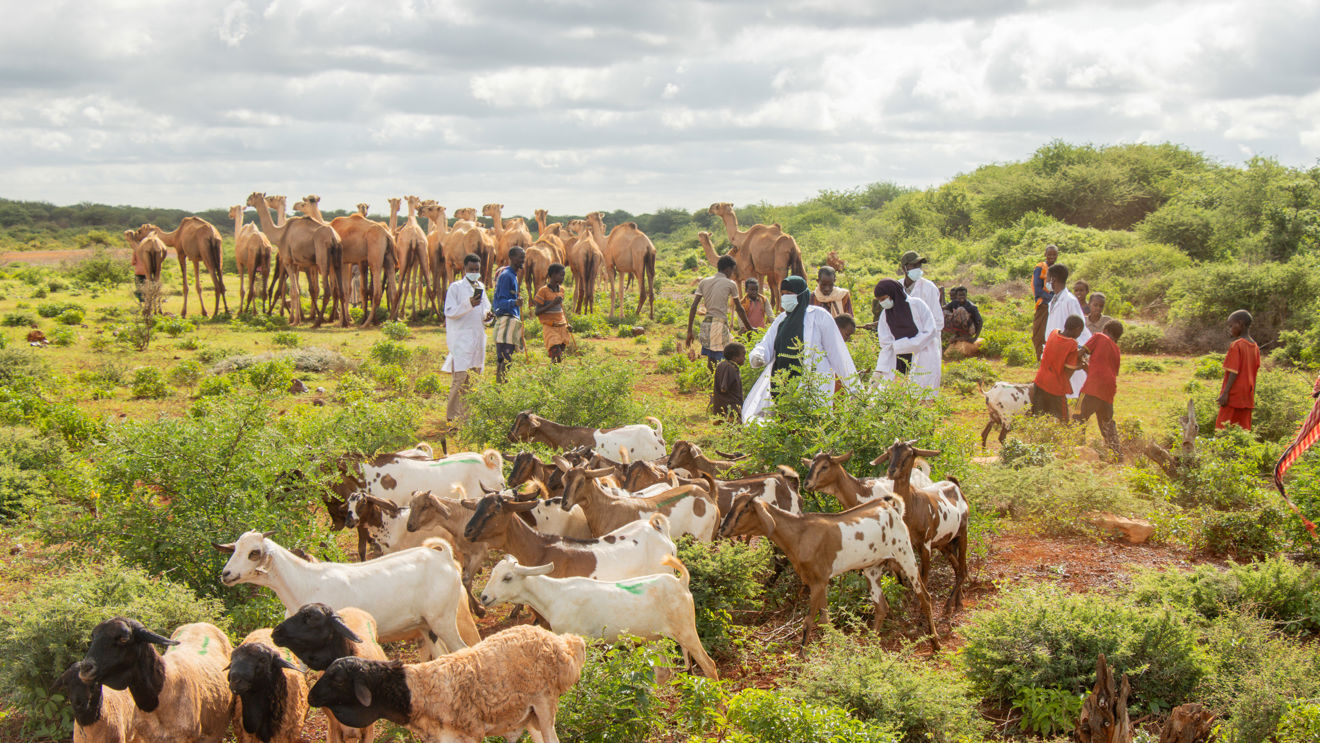
Early action and rapid response to drought help protect both people and livestock. In Somalia, different types of livestock often graze together, allowing herders to make the best use of available vegetation. Here, veterinarians examine the animals and speak with their owners to assess the animals' health and treatment needs in Qansax-Dheere, Bay, May 2026.
Through its support for FAO's emergency fund SFERA, Norway is helping ensure that assistance can be deployed quickly when needs arise – without having to wait for new funding decisions.
– Norway's humanitarian funding is flexible and predictable, which enables our partners to respond quickly when crises occur, says Samuelsen.
Since 2022, Norwegian contributions have been part of the response in 22 countries, reaching more than 3 million people affected by conflict, climate-related disasters and other crises.
Support has included:
A key part of SFERA is so-called anticipatory action – measures put in place before a forecast weather event hits with full force. The aim is to prevent the event from developing into a humanitarian disaster.
In Cameroon, FAO has used early flood warnings to provide support to vulnerable families in advance. Cash assistance and preventive measures enabled households to secure food, protect assets and prepare more effectively.
Such early action can reduce both human suffering and the need for far more costly relief efforts later on.

When we manage to act before a crisis hits, we can significantly reduce the scale of the damage and give people a better chance of getting through difficult periods.
For Fardowsa, the support meant the chance to establish a new source of income after several years of drought.
For millions of other people in vulnerable areas, early and flexible funding is about protecting food production, income and future prospects before a crisis develops into hunger and prolonged suffering.