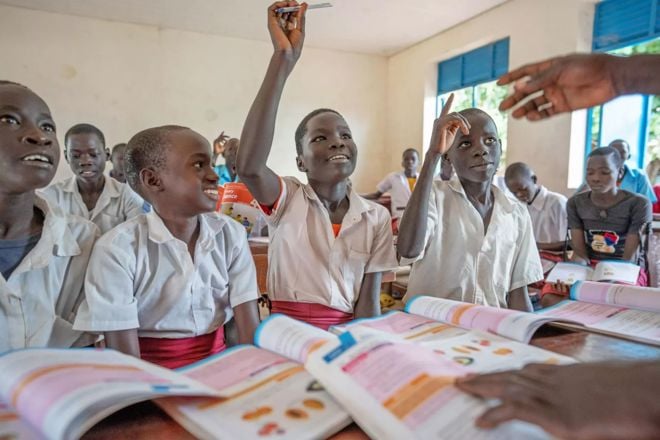
Norwegian Aid Provides Education and Hope to Children in Conflict Zones
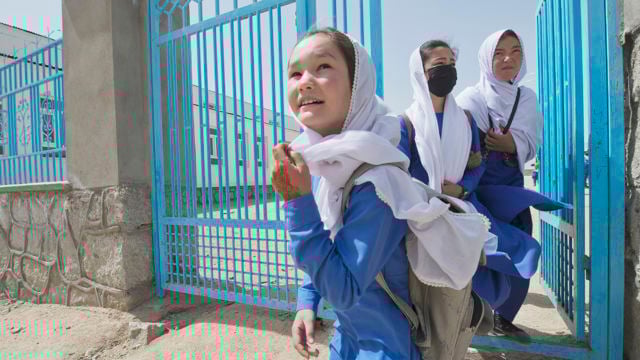
“Pato Girls’ High School in Afghanistan – a girls’ school that gives young girls the opportunity for education and a better future.”
According to UNESCO’s latest Global Education Monitoring Report, 273 million children worldwide are out of school. For the seventh consecutive year, the number of children and young people excluded from education is rising, largely due to war and conflict.
Armed conflict, population growth, and global cuts in development assistance are the primary drivers of this negative trend, according to UNESCO’s new report.
Increasingly frequent, protracted, and severe conflicts mean that fewer children and youth can attend school. War and armed violence result in school closures, mass displacement, insecurity on the way to school, and teachers either fleeing or going unpaid.
“For millions of children in conflict areas, their future is at stake when they lose access to education. That’s why it’s critical to ensure that children affected by war and conflict still have opportunities for some form of learning,” says Stine Horn, Director of the Department for Welfare and Human Rights at Norad.
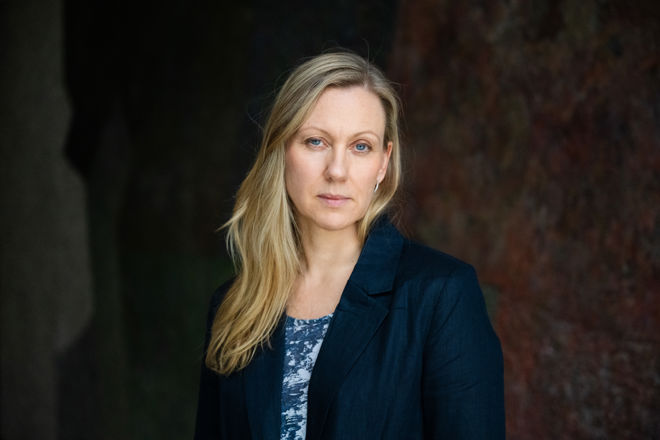
Stine Horn is the director of the Department for Welfare and Human Rights at Norad.
Prioritizing Countries in Crisis
The UNESCO report highlights the situation in the Middle East and Sub-Saharan Africa, where conflict and instability have deprived millions of children of access to education.
“When education systems break down, the risks of child labor, recruitment into armed groups, and lifelong social exclusion increase dramatically. Each year out of school makes it harder to build peaceful and stable societies in the future,” Horn emphasizes.
Countries affected by war and conflict are therefore a priority for Norwegian education aid. Norway’s efforts also focus on strengthening national education systems, promoting girls’ education, and ensuring inclusive learning opportunities for the most vulnerable children.
In conflict-ridden countries like Afghanistan, Norwegian support has been especially vital in enabling girls to attend school, for example through community-based schools and support for female teachers. In South Sudan, Norway has helped finance temporary learning spaces, teachers, and school materials for children in refugee camps, through partners such as UNICEF and Education Cannot Wait.
“This support provides hope, safety, and a semblance of normality for children living in extremely harsh conditions,” adds Stine Horn.
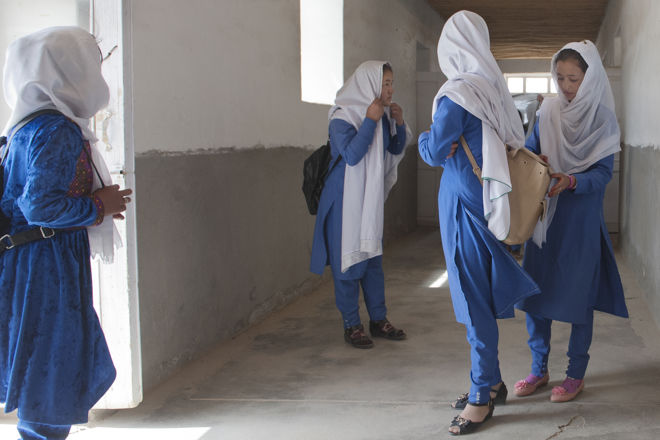
In Afghanistan, where daily life is often marked by conflict, Norwegian support has made it possible for more girls to attend school – including through community-based schools and investments in female teachers.
Positive Trends in Some Countries
Despite many challenges, some countries have made significant progress in recent years. With targeted initiatives, political commitment, and sustained financing, countries like Madagascar, Togo, Vietnam, Morocco, and Turkey have reduced the number of out-of-school children by more than 80 percent, according to UNESCO.
Another encouraging trend is a significant increase in completion rates since 2000. More children who start school are now finishing. Globally, completion rates have risen from 77 to 88 percent in primary education, from 60 to 78 percent in lower secondary, and from 37 to 61 percent in upper secondary education.
“Education is key to development. It gives children opportunities for a better life in multiple ways, and is crucial for democracy, gender equality, and poverty reduction,” says Norad’s Stine Horn.
Norwegian Support for Education
Norway supports a range of organizations and multilateral funds providing education for children and youth in crisis and conflict contexts. One example is the Education Cannot Wait fund. Other key partners include the Global Partnership for Education (GPE), UNICEF, and UNESCO.
- In 2024, Norway provided a total of NOK 2.7 billion in education aid. This support helped achieve, among other things:
- 26 million children gained access to education through cooperation with UNICEF.
- Over 5 million teachers received training.
- 372 million children reached through the Global Partnership for Education—support ranging from access to textbooks and curriculum improvements, to safer classrooms, more accessible school buildings, initiatives to get more girls into school, and inclusive education for children with disabilities.
- Education Cannot Wait provided support in 2023 and 2024 to approximately 8.3 million children and youth in 33 conflict-affected countries, including roughly 231,000 in Afghanistan and 139,000 in South Sudan.