Norwegian aid saves lives in the fight against the world’s deadliest infectious disease
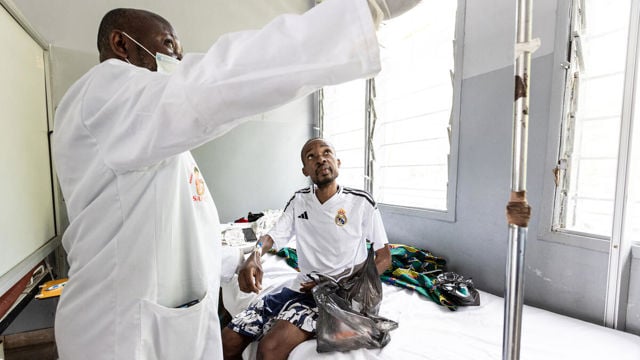
A man in the Democratic Republic of the Congo receives treatment for tuberculosis after having to stop working due to illness. He is expected to make a full recovery.
With support from Norway, millions more people are receiving treatment for tuberculosis.
Targeted aid is making a real difference for people living in some of the world’s most vulnerable situations.
Tuberculosis (TB) remains one of the world’s deadliest infectious diseases. It hits hardest where poverty, overcrowded living conditions, conflict and weak health systems make it difficult to detect and treat patients in time.
For many, a TB diagnosis is not only a health crisis, but also a loss of income, education and future opportunities.
– In countries with weak health systems, one ill breadwinner can push an entire family deeper into poverty. That is why the fight against tuberculosis is both a health issue and a poverty issue. And this is where Norwegian aid plays an important role, says Norad Director General Gunn Jorid Roset.
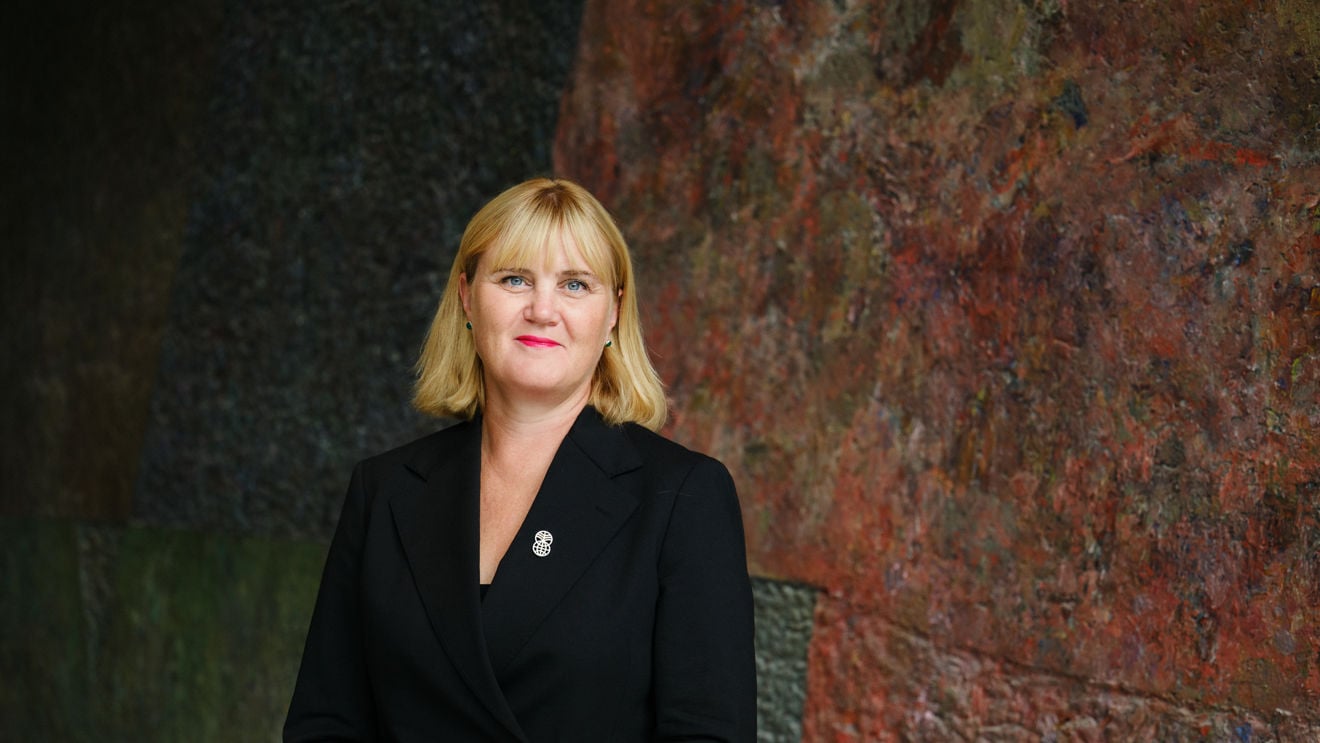
Norad Director General Gunn Jorid Roset.
Through the Global Fund and cooperation with organisations such as the World Health Organization (WHO), Unitaid and LHL International, Norway is helping to reduce infections, ensure more people recover, and enable people living with severe lung damage to regain their lives.
Norway and the Global Fund at the forefront
Norway is a major contributor to the Global Fund to Fight AIDS, Tuberculosis and Malaria. The Fund accounts for more than 70 per cent of international tuberculosis financing.
In countries where the Global Fund supports the TB response, annual deaths have been reduced by 40 per cent between 2002 and 2023. Behind these figures are millions of lives saved.
In 2024, the fund helped ensure that:
- 4 million people received treatment for tuberculosis
- 4 million people exposed to infection received preventive treatment
- 120,000 people received treatment for drug-resistant tuberculosis
Norway is increasing its support by NOK 2 billion for the period 2026–2028. The funding will strengthen national health systems, develop better diagnostics, and ensure rapid and appropriate treatment.
Working closely with local partners
– Long-term and predictable Norwegian support has helped more people receive the right diagnosis and treatment in time. At the same time, we are committed to supporting countries in developing their own national health systems that continue to function after support for individual projects has ended, says Norad Director General.
Stories from Tanzania, Sudan and Malawi show what this looks like in practice.
Underground and overlooked: Miners in Tanzania
In mines far from the public eye, men and women work long days in narrow, dust-filled tunnels. The combination of poor ventilation, dust and long shifts makes miners highly vulnerable to both tuberculosis and silicosis – a serious lung disease caused by dust exposure.
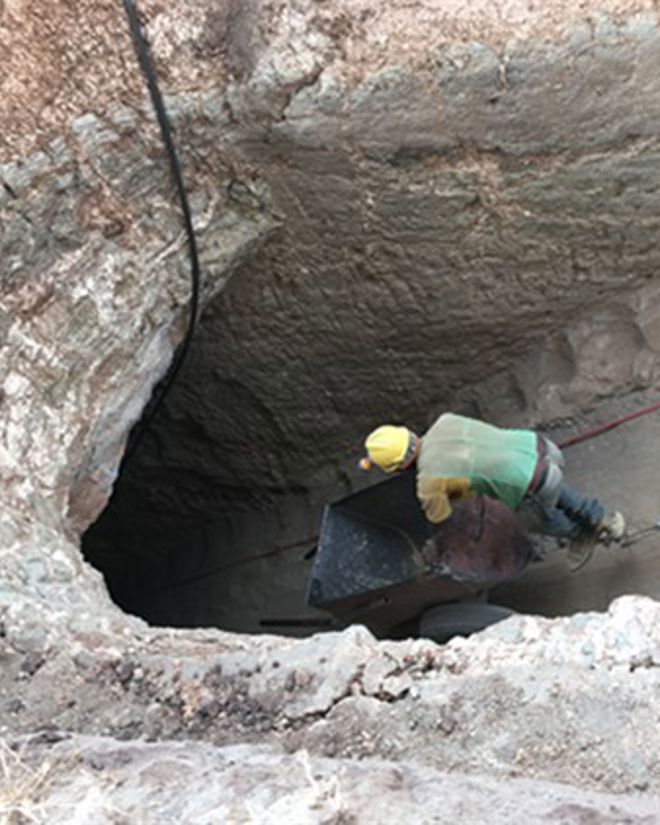
Until recently, many received neither diagnosis nor treatment. They coughed through their working days, lost their breath, and eventually lost both their health and their livelihoods.
With support from Norad, LHL International is working with the health authorities in Tanzania to change this. Over the past five years, 135,000 miners have been screened, and those who are ill have gained access to treatment. At the same time, efforts are under way to improve working conditions and strengthen systems for occupational health monitoring.
The next step is to introduce AI-based tools for faster and more accurate diagnosis. This means ill miners can be identified earlier, and fewer people are forced out of work by illnesses that could have been prevented or treated.
TB care in a collapsed health system in Sudan
When war breaks out, tuberculosis is often overshadowed by the bombs. Clinics are destroyed, health workers flee, and medicine supply chains break down. For a patient who needs six months of uninterrupted treatment, this can be fatal.
In Sudan, the war has caused the collapse of the health system in many areas. In this context, the work of the Health Development Program (HDP) is lifesaving. With thousands of volunteers in local communities, they help people get diagnosed, support patients throughout treatment, and ensure access to medicines.
With funding from Norad and LHL International, HDP supports more than 10,000 TB patients every year. Volunteers reach patients in refugee camps, at makeshift health posts and in homes beyond the reach of formal health services.

The result is that fewer people interrupt treatment, fewer die, and fewer develop drug-resistant TB.
Rehabilitation that gives people their lives back
Around half of all people who have had tuberculosis are left with chronic lung damage, including long-term breathing difficulties, pain and reduced ability to work. Without follow-up, a patient who has completed treatment and is officially “cured” may still be too unwell to work or support their family. Tuberculosis can continue to shape lives and livelihoods long after the bacteria are gone.
With funding from Norad, LHL International, and local partners in Malawi and Tanzania have shown that community-based pulmonary rehabilitation can make a major difference. Through tailored exercise and breathing programmes, combined with training and support, former TB patients experience improved physical functioning, less pain and a better quality of life.
The results have been so strong that authorities in both countries have now included pulmonary rehabilitation in national programmes. This means the service can reach more people and build lasting structures that can support thousands of patients in the years ahead.
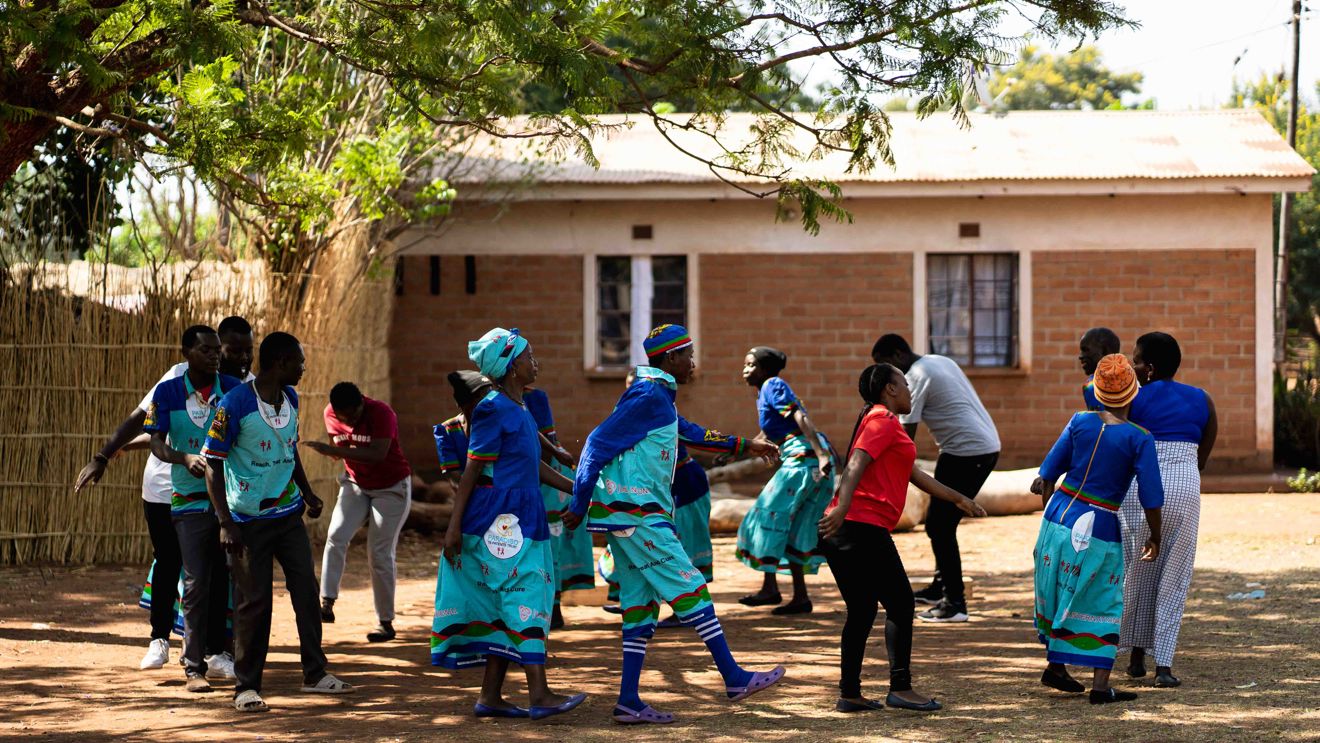
Tuberculosis (TB) remains a major health challenge in Malawi, with around 25,000 new cases every year.
Stronger health systems and solidarity
Norway’s efforts against tuberculosis are saving lives today while also laying the foundation for stronger and more resilient health systems in the future.
– Norad is committed to ensuring that TB efforts are integrated into national plans and budgets, that laboratories and diagnostics are strengthened, and that local professional capacity is built. It is also important that civil society and patient organisations are given a stronger role as partners, helping to reduce the risk that some groups are left behind, says Gunn Jorid Roset.
– When countries take ownership of the TB response themselves, the chances increase that positive change will last, she adds.
The fight against tuberculosis is far from over, even if the disease rarely makes the headlines. It spreads slowly, often hidden from view, and disproportionately affects those who already have the least. That is precisely why international solidarity matters.
Through targeted action, strong partnerships and long-term financing, Norway is helping to move the world in the right direction towards a future where fewer people are infected and more people recover.