Norad supports the struggle for protection for land and environmental defenders
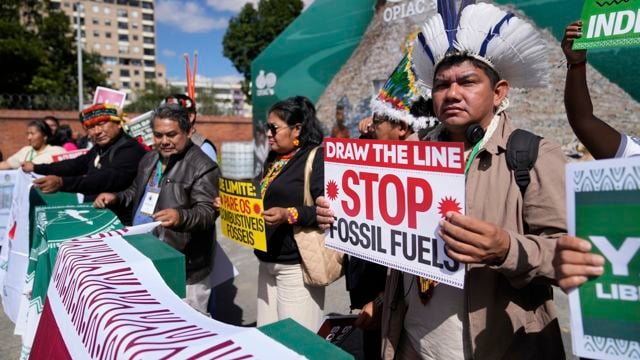
Indigenous leaders from across the Amazon protest during the fifth summit of presidents of the Amazon Cooperation Treaty Organization in Bogotá, Colombia, on 20 August 2025.
Those who defend nature, the environment and Indigenous peoples’ rights are increasingly exposed to threats, harassment and violence. At least 124 environmental defenders were killed last year, and since 2012, more than 2,000 environmental defenders have been killed, according to a new report.
– Behind these figures are harrowing stories of people and families who are severely and brutally affected, simply because they are trying to protect the nature on which both local communities and the entire world depend, says Norad Director General Gunn Jorid Roset.

Norad Director General Gunn Jorid Roset.
Killing is the most extreme form of violence and retaliation. Beneath the surface lies a “hidden iceberg” of brutal, non-lethal attacks against environmental defenders, according to a new report from the Norwegian-supported organisation Global Witness.
Land and environmental defenders are increasingly exposed to threats, harassment and physical violence. Social media is also increasingly being used as a weapon to harass, smear and undermine their credibility.
– Their courageous struggle is not only about nature, but also about freedom of expression and the ability to take part in public debate without risking life and health. The fight for nature and climate is also a fight for human rights, emphasises the Norad Director General.
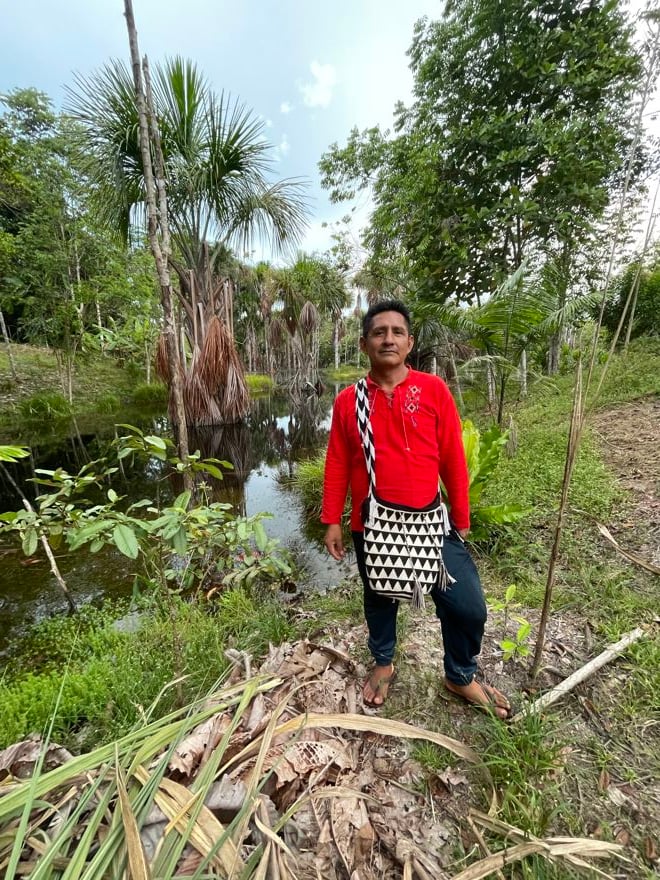
Gerardo Macuna Mirana is the leader of the Yaigoje Apaporis Indigenous territory in the Colombian part of the Amazon and has been fighting for the rainforest and Indigenous rights for several years.
Significant underreporting
According to the latest report from Global Witness, 124 land and environmental defenders were killed in 2025. Since 2012, the number of documented killings of such defenders has reached 2,375.
Although slightly fewer killings have been recorded over the past two years, the situation for environmental defenders has not become safer, Global Witness points out. Many serious and brutal incidents are never recorded, and there is significant underreporting.
Environmental defenders are also subjected to surveillance, arbitrary arrests, criminalisation, strategic lawsuits and other forms of pressure. Women and girls are often particularly exposed to sexual harassment and gender-based violence.
– Many environmental defenders are subjected to serious human rights violations. This is why it is so important that we help protect and support them in their struggle, says Gunn Jorid Roset.
Latin America remains the most dangerous region
Latin America accounted for 85 per cent of all documented killings in 2025, the report shows. The region remains by far the most dangerous in the world for those defending land, the environment and human rights. Colombia alone accounted for almost one-third of all killings globally in 2025.
– The underlying drivers of these attacks are often organised crime and illegal mining. Many areas are characterised by lawlessness, and environmental defenders lack protection, explains Per Fredrik Pharo, Director of the Department for Climate, Nature and the Private Sector at Norad.
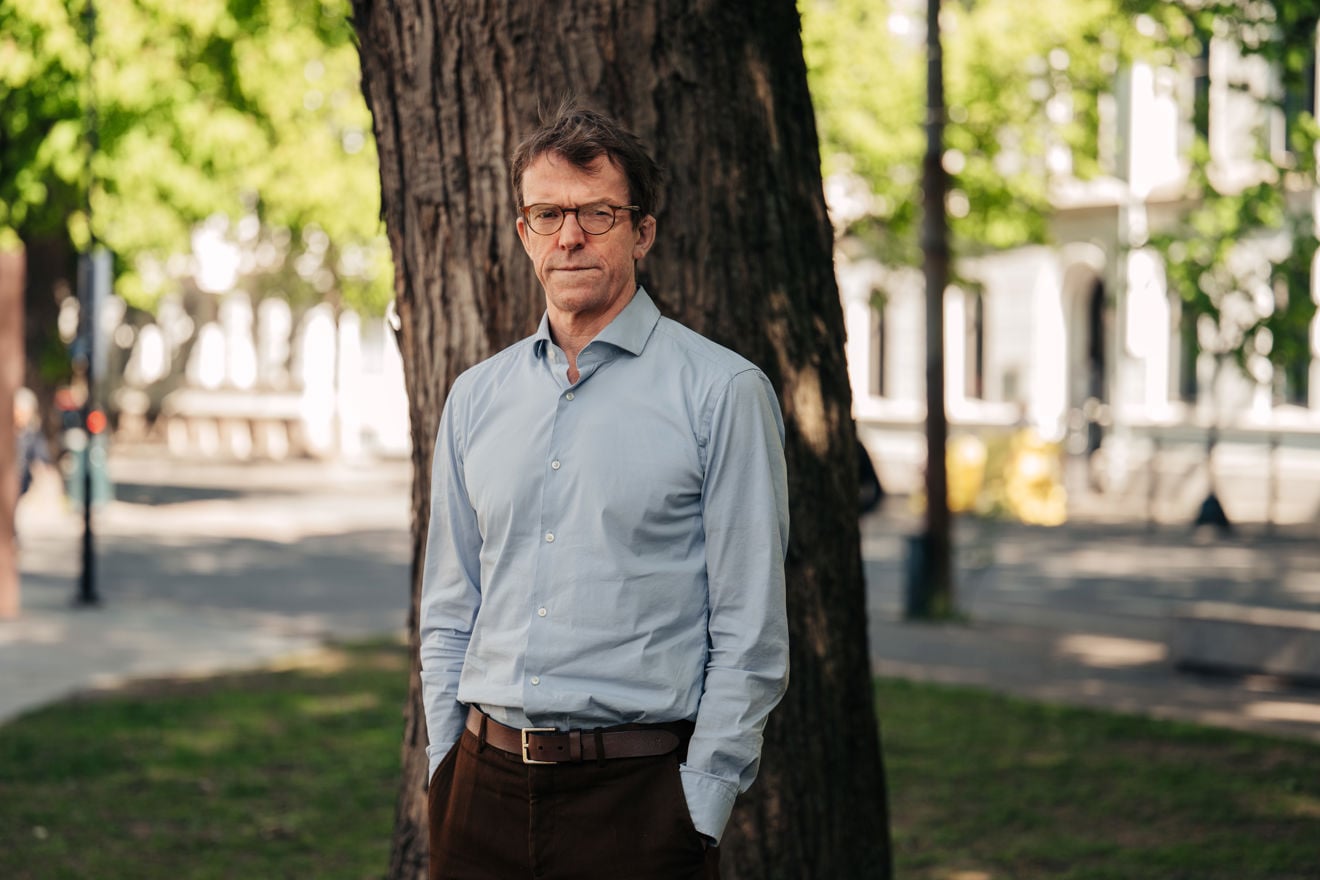
Per Fredrik Pharo is Director of the Department for Climate, Nature and the Private Sector at Norad.
Land conflicts
More than half of the killings in 2025 were linked to land conflicts.
Brazil is one example. There, the number of recorded killings doubled compared to the previous year. According to the Global Witness report, all but one of the killings were related to land conflicts. Seven killings were linked to Indigenous peoples’ demands for recognition of their traditional territories, while 14 killings were linked to land reform conflicts affecting smallholder farmers and so-called quilombolas, descendants of African slaves.
The report shows that violence against environmental defenders often targets groups that are already in vulnerable positions, such as Indigenous peoples, poor smallholder farmers and quilombolas.
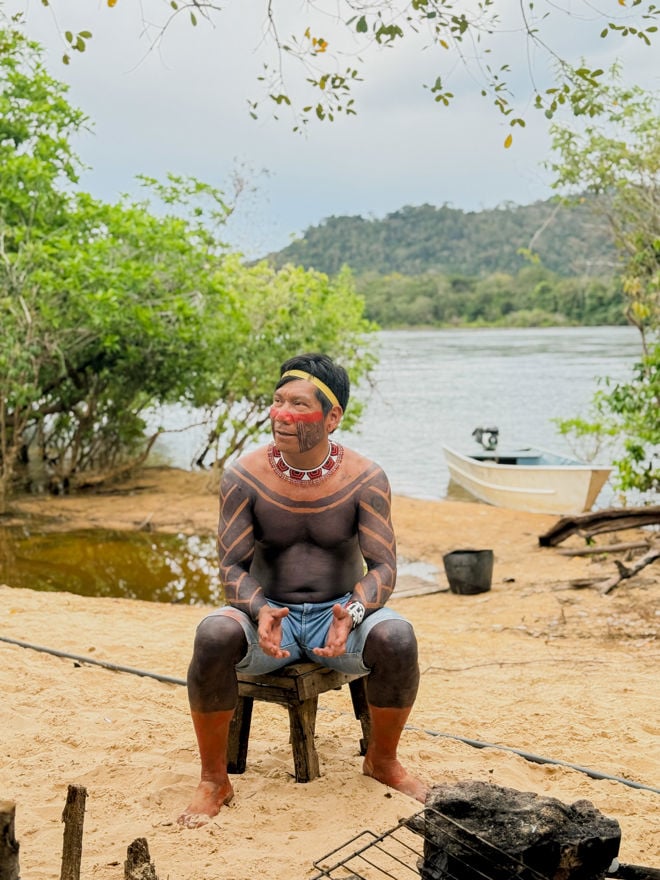
Kaiti Kayapo, environmental defender and patrol leader, Xingu River in Brazil. The station marks the entrance to Kayapo Indigenous territory. Illegal fishing and gold mining threaten the community.
International cooperation
With the title Collective Power, the Global Witness report emphasises that environmental defenders are stronger and safer when they do not stand alone. The organisation is particularly focused on raising the issue in international forums and at key meeting places in the US, Latin America and Europe. The aim is to secure stronger political and institutional commitments to protect those on the front line of both nature conservation and the defence of human rights.
Norwegian aid supports Global Witness and its work through Norad and Norway’s International Climate and Forest Initiative (NICFI).
– We support their important international efforts to strengthen the protection of environmental defenders. Their new report shows in particular why we need to consider protection, rights and responsible resource management together, says Per Fredrik Pharo.