This is serious, and that is why this initiative is important.
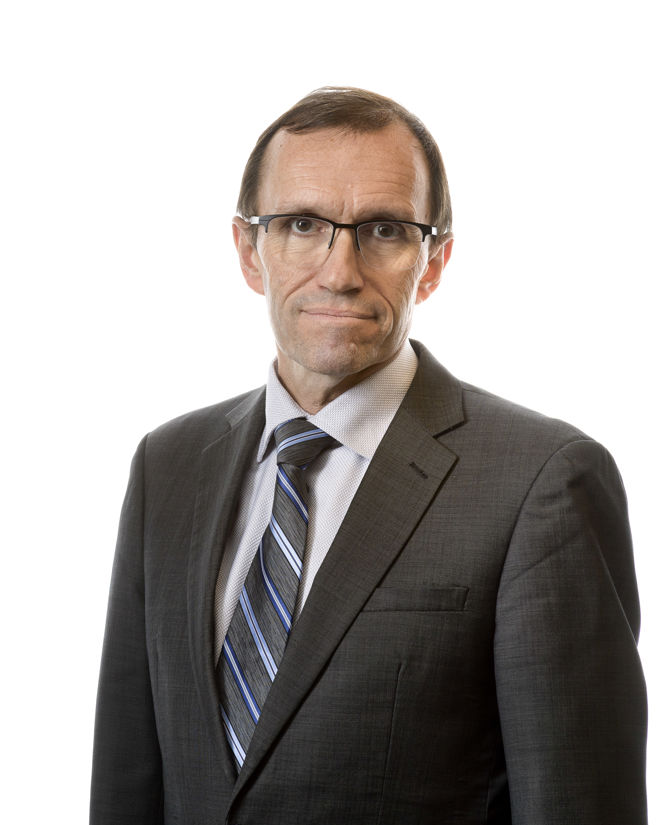
Espen Barth Eide
Minister of Foreign Affairs
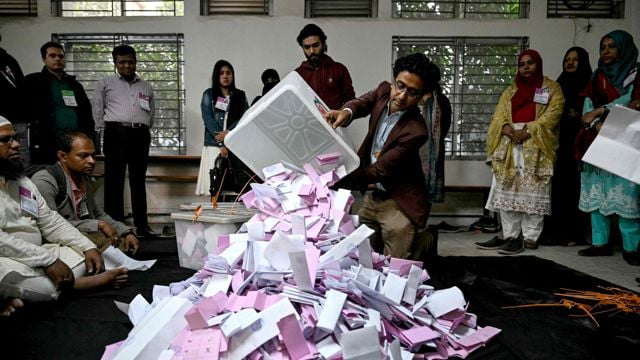
An election official opens a ballot box as vote counting begins during the parliamentary election in Dhaka, Bangladesh, on 12 February 2026.
Norway is supporting a new UN initiative to promote greater transparency in the funding of political parties, candidates and election campaigns – and to help countries strengthen trust in democratic institutions.
– Money can be used to influence elections. And a growing number of actors are trying to influence democratic processes through hidden networks and funds whose origins are unknown, says Minister of Foreign Affairs Espen Barth Eide.
This is serious, and that is why this initiative is important.
The United Nations Office on Drugs and Crime (UNODC), the International Institute for Democracy and Electoral Assistance (International IDEA) and the International Foundation for Electoral Systems (IFES) have recently established a partnership aimed at increasing transparency in the funding of political parties, candidates and election campaigns.
Norad is responsible for the agreement with UNODC and is following up on the implementation of the new initiative in dialogue with the UN organisation and its other partners.
– This initiative is an important part of the global fight against corruption. Secrecy surrounding funding is a major driver of corruption, which in turn contributes to undermining trust in democracy as a system of governance, says Norad Director General Gunn Jorid Roset.
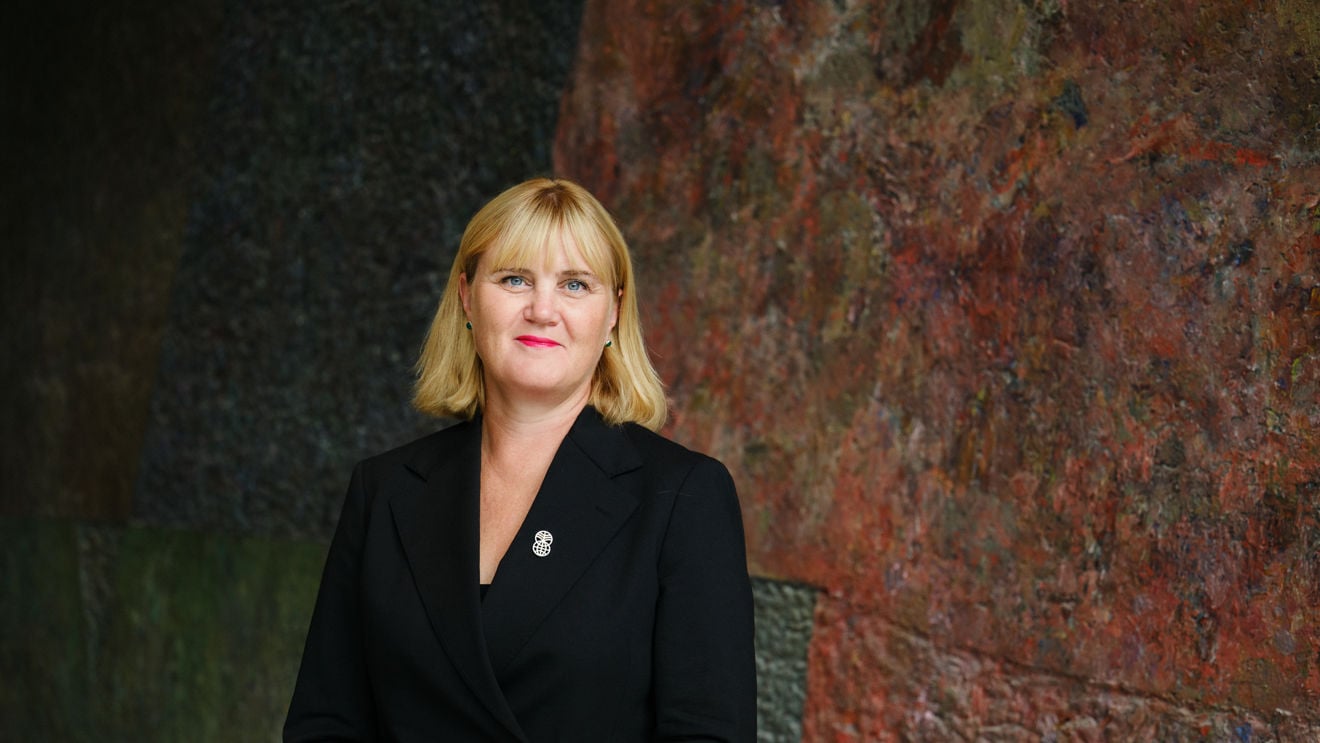
Norad Director General Gunn Jorid Roset.
The new UN initiative will, among other things, help public authorities, oversight bodies and civil society identify conflicts of interest, inappropriate political connections and expectations of favours in return, explains the Norad Director General. The aim is to help protect democratic processes and ensure that a country's resources are distributed fairly and in the best interests of its people.
– At a time of growing inequality and democratic backsliding in many countries, the fight against corruption, abuse of power and secrecy is particularly important, the Norad Director General emphasises.
The initiative follows a resolution adopted by the UN in December 2025, which established global standards for transparency and integrity in political financing for the first time. It provides an international framework for countries to strengthen legislation, reporting, disclosure and oversight of political financing.
– In many countries, voters know little or nothing about who funds the political parties and election campaigns of those who come to power. This increases the risk that powerful vested interests can influence political decisions behind closed doors, says Minister of International Development Åsmund Aukrust.
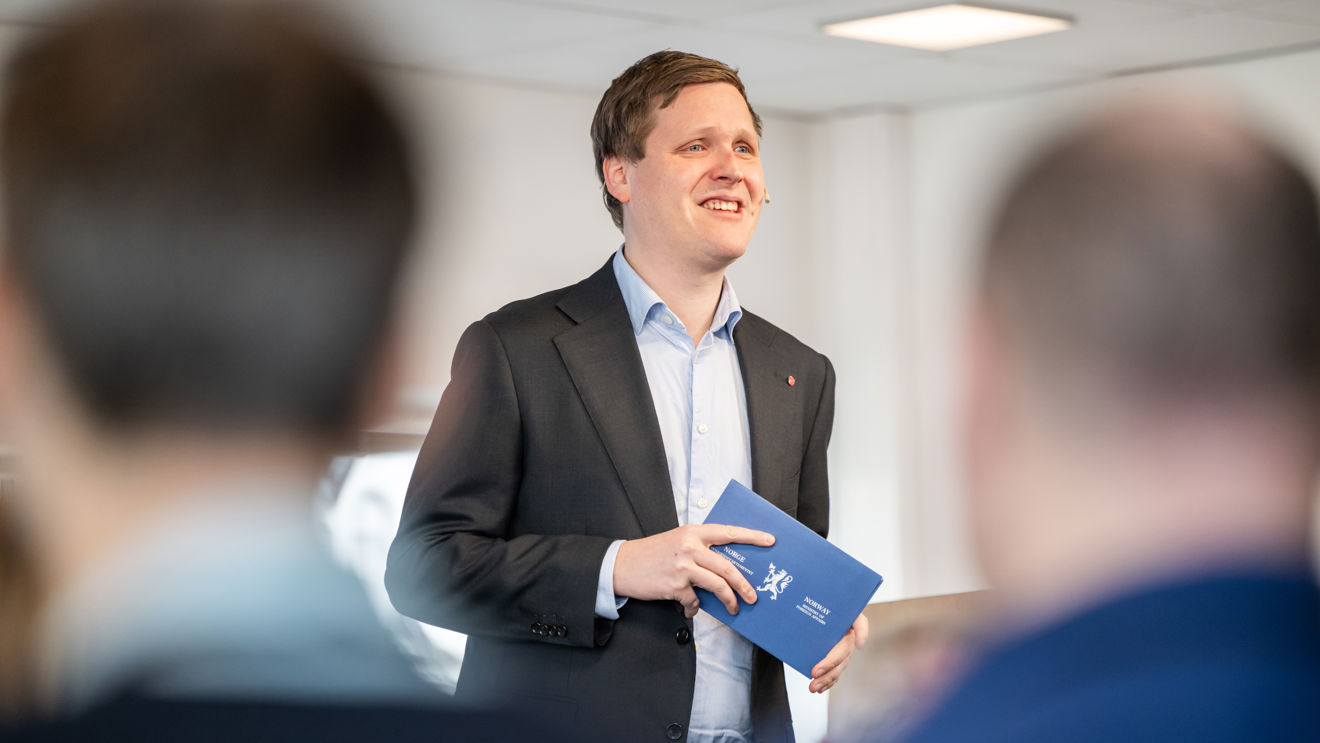
Minister of International Development Åsmund Aukrust.
Norway was a driving force behind the resolution and put it forward together with Albania, Ghana and Mongolia.
– Transparency in political financing is important, both to ensure accountable and well-functioning institutions, and to ensure that public resources are used in the best interests of the population, emphasises the Minister of International Development.
The new initiative by UNODC, International IDEA and IFES will, among other things: