Ebola continues to spread in DR Congo – the fight continues
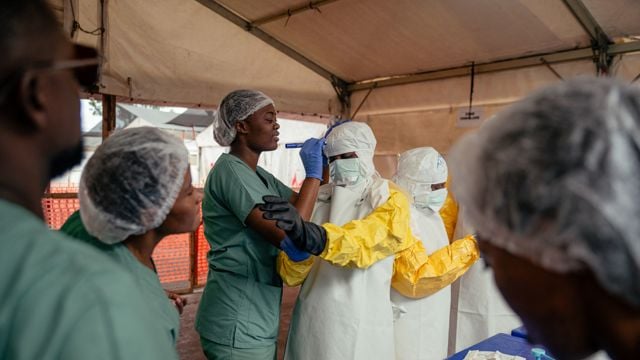
Healthcare workers put on personal protective equipment (PPE) in the dressing area under the supervision of specialists before going to examine patients in the isolation ward during their shift at the Ebola Treatment Center (ETC) following its rehabilitation by Doctors Without Borders (MSF) in Munigi on June 2, 2026.
The Ebola outbreak in DR Congo has claimed more than 4,000 lives. Health workers and humanitarian actors continue their challenging work to bring the virus under control.
As of 2 October, DR Congo had recorded around 8,300 confirmed cases of Ebola and 4,018 deaths. Cases have been recorded in seven provinces. Although the number of new cases has fallen in some areas, transmission remains widespread. The outbreak is not under control.
The Congolese authorities are leading the response, in cooperation with, among others, the World Health Organization (WHO) and the Africa Centres for Disease Control and Prevention (Africa CDC). Africa CDC has, among other things, helped develop the national response plan together with the Congolese authorities and WHO.
– It is deeply concerning that the outbreak continues to spread and that so many people have lost their lives. At the same time, we are seeing a major mobilisation by the Congolese authorities and international actors. It is crucial that these efforts can continue, says Norad Director General Gunn Jorid Roset.
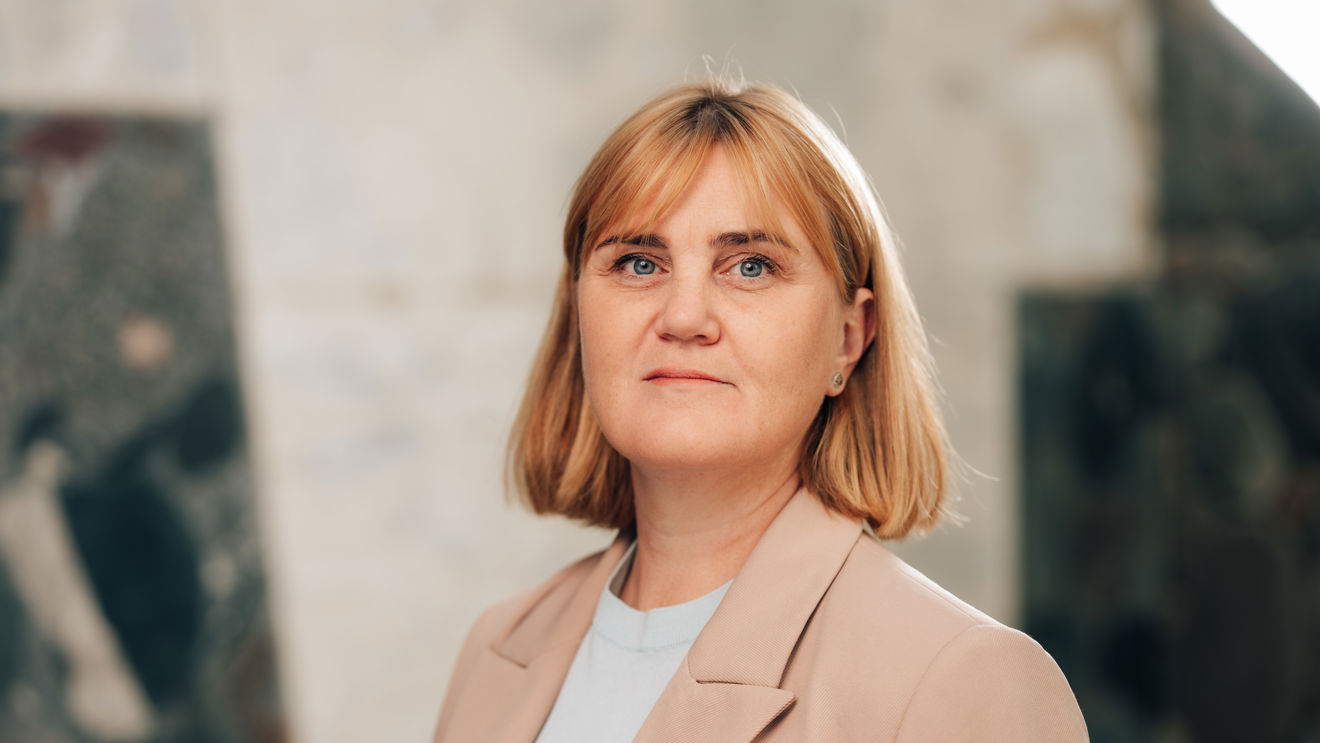
Norad Director General Gunn Jorid Roset.
Difficult to stop the spread
The outbreak is affecting an area already marked by conflict, displacement and weak health services. High levels of movement between communities and across borders make it harder to detect cases and follow up with people who have been in contact with those infected.
WHO also notes that many deaths occur in communities rather than treatment centres. This suggests that infections are still not being detected early enough, making it harder to break chains of transmission.
In parts of the country, it is also difficult to deliver healthcare. Conflict and insecurity restrict access to some areas, while the Ebola outbreak puts further pressure on already overstretched health services.
Fear of infection and limited capacity may prevent people from seeking care for other illnesses. This can affect vaccination, maternal health services and treatment of other diseases and outbreaks. This in turn increases the risk that other diseases and health problems will not be detected or treated in time.
The DR Congo is also facing a major cholera outbreak. In September, the UN Central Emergency Response Fund (CERF) activated funding to help prevent the situation from escalating. The fund has allocated USD 1 million to WHO, UNICEF and their partners to strengthen healthcare and improve water, sanitation and hygiene in affected areas.
The funding will, among other things, be used to detect and treat new cases early, improve sanitation and provide information to communities.
This is the second time in 2026 that a pre-agreed anticipatory action mechanism has been activated in the DR Congo. This means deploying resources before a disease outbreak grows larger.
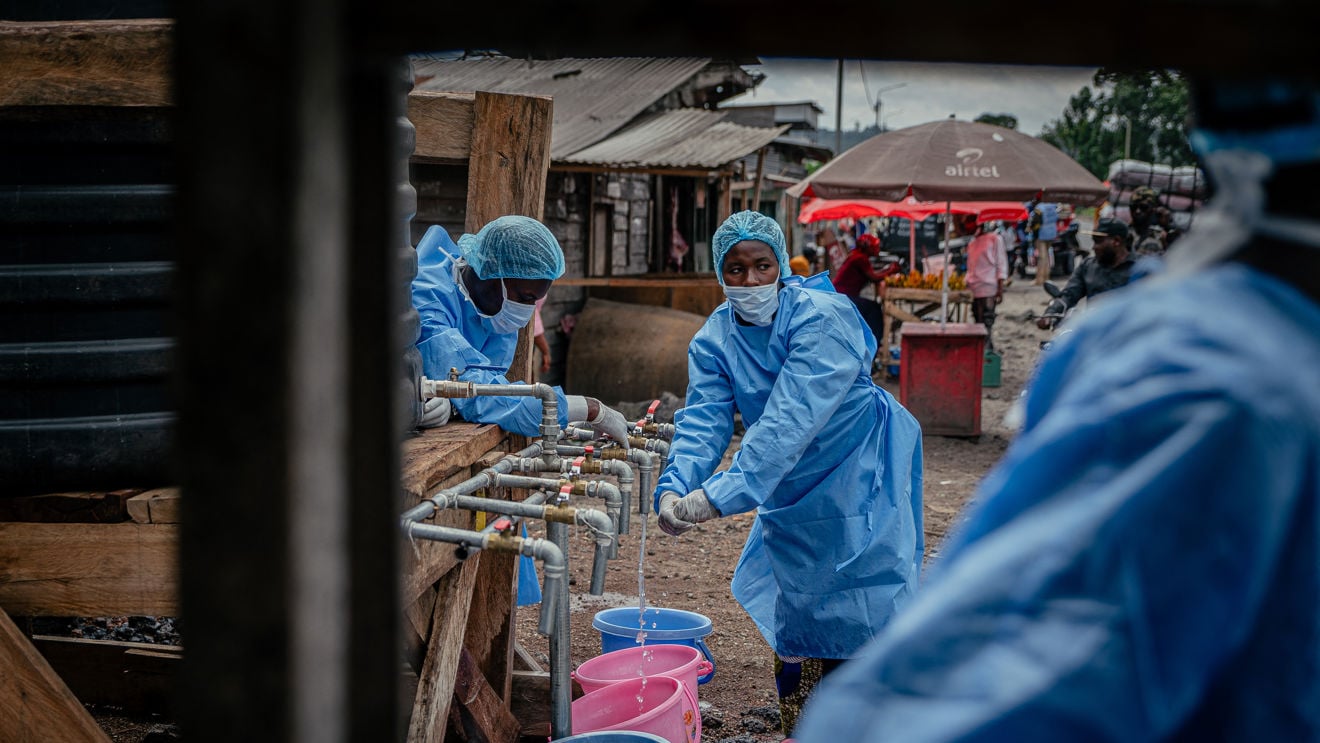
Health workers disinfect hands and take the temperature of travellers at a checkpoint near Goma in the DRC as part of Ebola prevention measures, 25 May 2026.
Medical tools remain limited
The Ebola outbreak in the DR Congo is caused by the Bundibugyo virus. There is still no approved vaccine or specific treatment for this variant. However, several vaccine candidates and treatments are being tested, and research efforts have increased substantially.
– It is challenging to combat a virus when the medical tools available remain limited. At the same time, we now have more knowledge, better surveillance systems and greater capacity to respond than during previous outbreaks. That gives us an important basis for bringing the outbreak under control, says Gunn Jorid Roset.
Lessons from previous Ebola outbreaks are being put to use in the response. Digital surveillance and contact-tracing systems, for example, have made it possible to record cases, track laboratory results and identify contacts more quickly.
Norway’s contribution
Norway is contributing through multilateral organisations and Norwegian humanitarian organisations.
In June, Norway provided NOK 50 million to WHO’s Contingency Fund for Emergencies. This was part of Norway’s planned annual contribution to the fund. WHO’s flexible emergency fund enables resources to be mobilised quickly for health emergencies where needs are greatest. WHO has used funding from the fund to support the response to the Ebola outbreak in the DR Congo.
Norwegian humanitarian organisations are also working in areas affected by the outbreak. Norway supports efforts by Norwegian Church Aid, the Norwegian Refugee Council, Save the Children and the Norwegian Red Cross. Their work includes infection prevention, water and sanitation, risk communication, support for health services and local emergency preparedness.
By mobilising religious leaders and local networks, Norwegian Church Aid helps address resistance to public health measures, counter misinformation and reach people with potentially life-saving information. Religious leaders can play a crucial role in building trust and support for necessary measures.
– When an epidemic develops this quickly, it is vital that resources can be mobilised rapidly and directed to where they are needed most. Flexible funding enables WHO and other organisations to step up their efforts as new health emergencies arise, says Gunn Jorid Roset.
The response continues
The Ebola outbreak shows how difficult it is to stop an epidemic in an area affected by conflict, high levels of movement and severe pressure on the health system.
Health workers are caring for people with Ebola and following up with their contacts. Laboratories are testing samples, communities are mobilising, and researchers are working on new vaccines and treatments.
At the same time, efforts are under way to ensure that other health needs are not overlooked while Ebola demands so much of the available capacity.
The outbreak is still not under control. But the work to bring it under control continues.