Colombia earthquake: Norway contributes 10 million NOK through the Red Cross
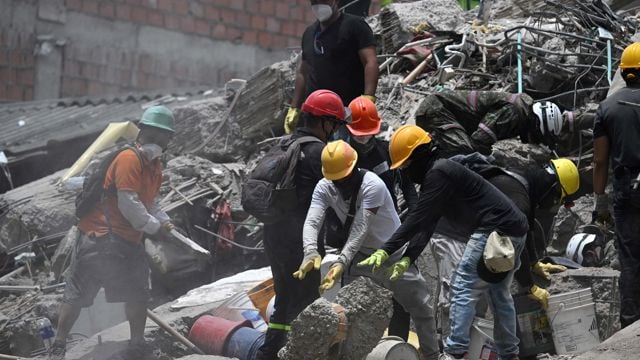
Rescue workers and volunteers search for survivors in the rubble on 12 August 2026.
265 people are confirmed dead, around 500 are missing and more than 3,500 have been injured following the earthquake that struck western Colombia on 10 August. Norway is contributing 10 million NOK to the Colombian Red Cross, and is also supporting the UN's and the Red Cross's emergency funds, which have allocated a combined total of 60 million NOK.
The earthquake measured 7.4 in magnitude and had its epicentre near San José del Palmar in Chocó. Thousands of homes have been affected, and critical infrastructure has been damaged. Access to healthcare, water, electricity and communications has also been disrupted in several areas.
The Colombian government has declared a national state of disaster and activated national mechanisms for disaster response.
Norway is providing NOK 10 million from the humanitarian reserve to the International Red Cross and Red Crescent Movement, which will in turn channel the funds to the Colombian Red Cross. The humanitarian reserve consists of funds set aside earlier in the year for use in response to acute needs arising in new or escalating crises.
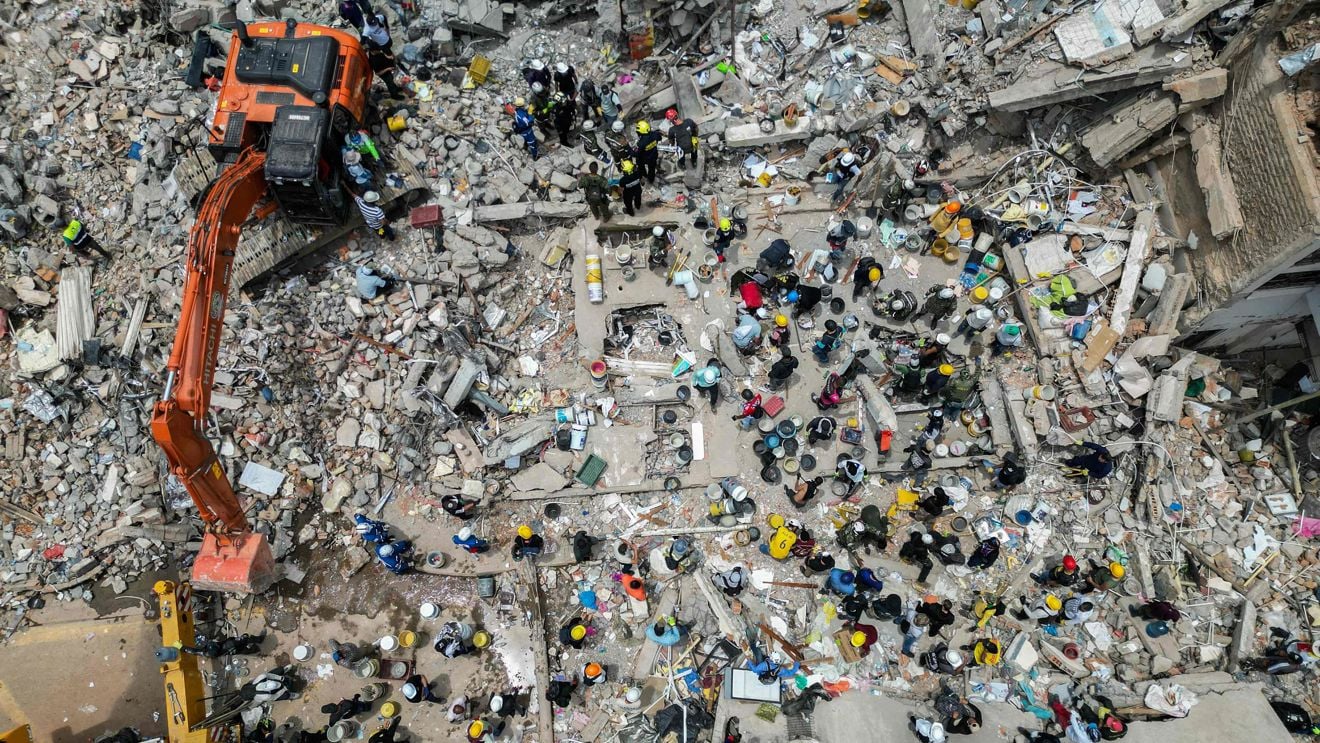
An overview of the rescue effort in Pereira following the earthquake that struck western Colombia.
Time is critical
The International Red Cross and Red Crescent Movement's Disaster Response Emergency Fund (DREF) and the UN's Central Emergency Response Fund (CERF) have released funds for the immediate humanitarian response.
DREF has released one million Swiss francs, around NOK 11.7 million. CERF has allocated USD 5 million, around NOK 52 million. Together, the two funds have mobilised more than NOK 60 million.
– In an acute crisis, time is absolutely critical. That is why Norway supports a number of funds that allow relief work to begin quickly, says Minister of International Development Åsmund Aukrust.
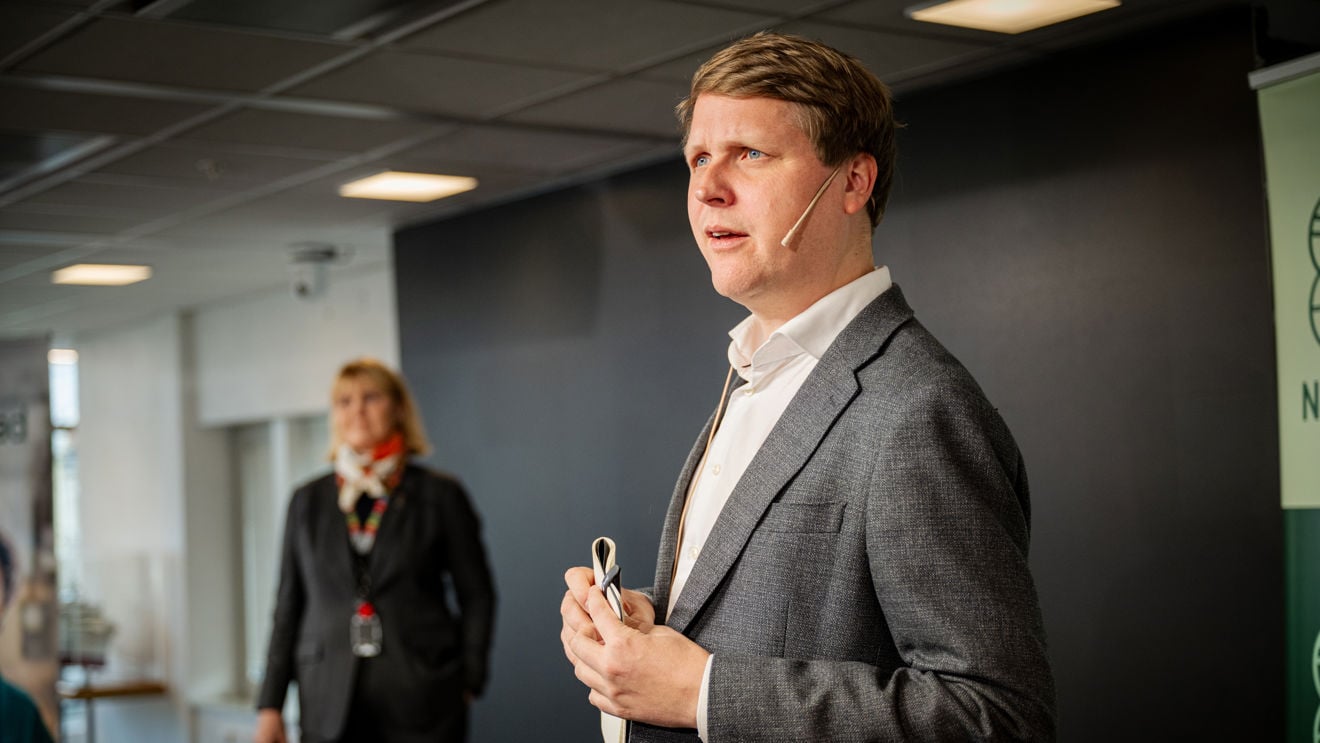
International Development Åsmund Aukrust (Labour Party).
Rapid support through DREF
Through the DREF allocation, the Colombian Red Cross will provide humanitarian assistance to around 5,000 families, equivalent to approximately 15,000 people.
The funds will go towards, among other things, healthcare, water, sanitation and hygiene, cash assistance and temporary shelter. The relief effort will be carried out in cooperation with Colombia's national disaster risk management system.
DREF enables the Colombian Red Cross to act quickly, based on its own assessments of what is needed.
– When an earthquake strikes, needs can arise within hours. DREF makes it possible to get funding quickly to national Red Cross societies that are already on the ground and understand the needs there. It's a good example of how flexible funding can make humanitarian response faster and more locally anchored, says Martin Samuelsen, Head of Section for Humanitarian Effort.

Samuelsen is Head of Section for Humanitarian Effort at Norad.
The UN is also mobilising funds
At the same time, the UN's Central Emergency Response Fund (CERF) has allocated USD 5 million to the humanitarian response.
The funding will enable UN agencies and their partners to provide life-saving assistance, including food, shelter, essential household items and healthcare.
CERF funding is intended to complement the authorities' relief efforts and help ensure that aid reaches those with the greatest needs.
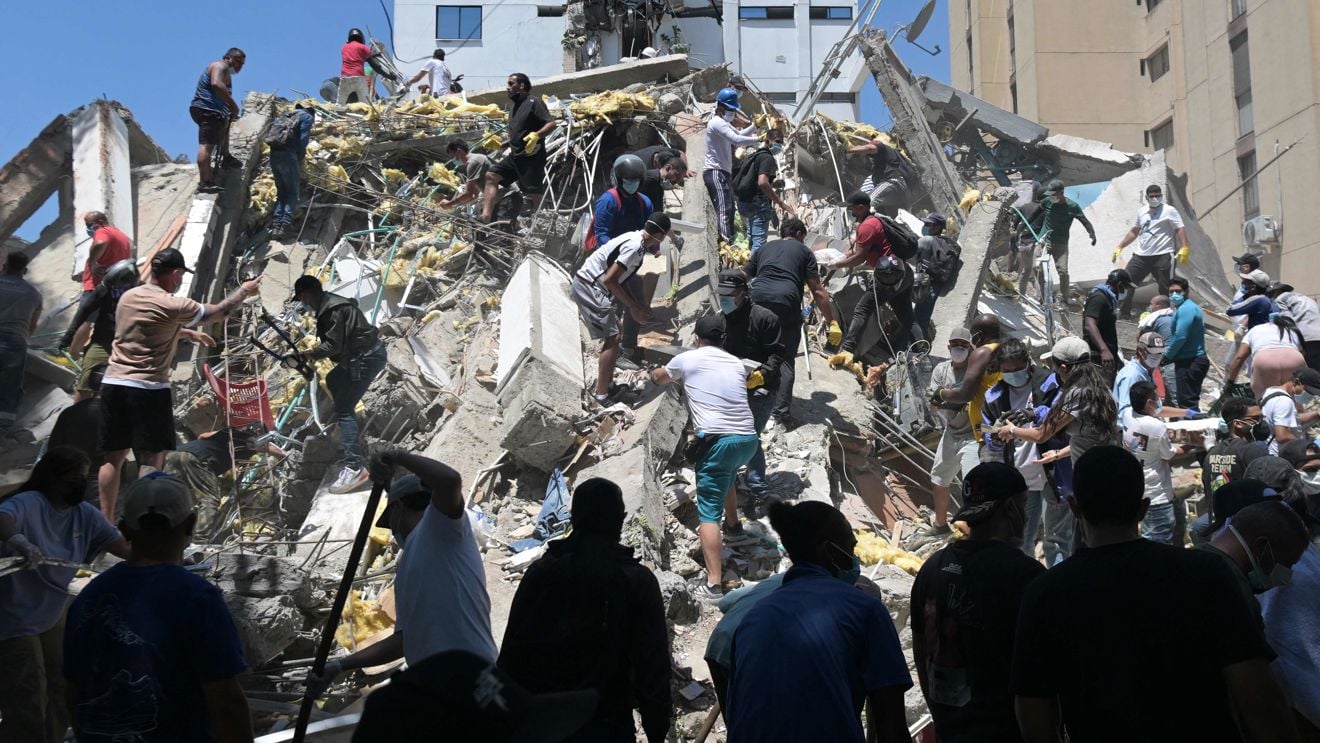
The search for survivors continues among collapsed buildings following the earthquake in Cali on 10 August 2026.
Norway contributes to both funds
Norway is one of the largest donors to DREF, providing around seven per cent of its funding. Norway is also one of the largest donors to CERF, financing around ten per cent of the fund.
Norwegian support therefore helps ensure that Red Cross and Red Crescent societies and UN agencies can respond quickly when disasters strike.
– Norway is one of the largest donors to both DREF and CERF. When these funds can mobilise money quickly after a disaster, we see in practice the value of flexible humanitarian financing. In an acute crisis, a matter of hours or days can be decisive for people in need of help, says Samuelsen.